

U.S. and Iran are reportedly in discussions to extend their truce by two weeks, according to sources; the current truce expires on the 21st, with both sides reportedly preferring to avoid renewed conflict. Mediators are working to convene working-level talks to resolve key issues, including the Strait of Hormuz and Iranian uranium enrichment, as reported by the Kyungang Shinmun.
U.S. Navy Absent as Tensions Rise
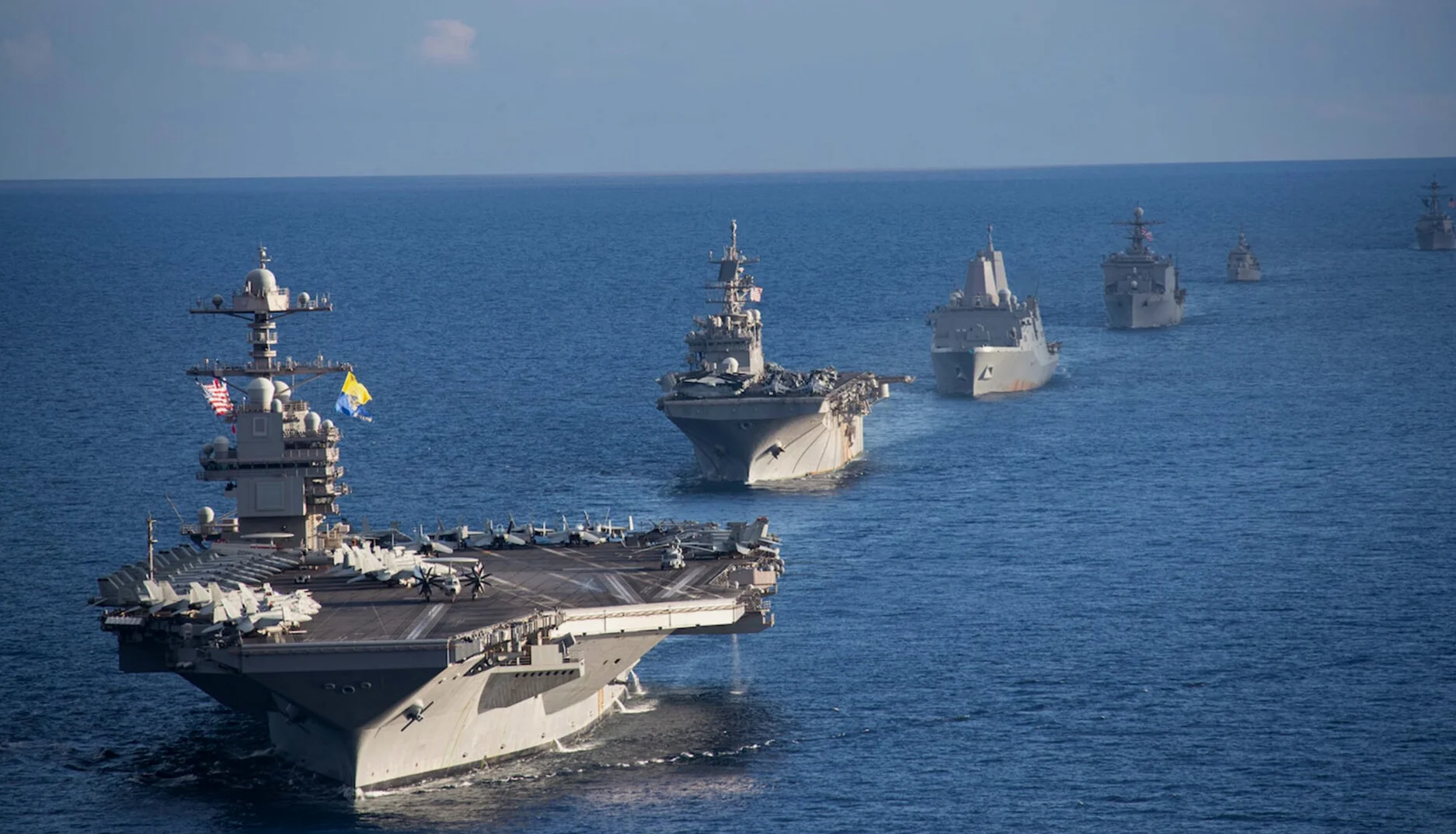
The absence of U.S. carrier strike groups from the Middle East since January 5, 2026, is creating a significant vacuum in American military deterrence, according to Defence Security Asia. This absence comes amid rising unrest inside Iran, where mass protests have intensified due to economic collapse and political repression. President Donald J. Trump has warned that if the Iranian government escalates violence against protesters, the U.S. could become more involved.
With no carrier-based airpower forward-deployed in the region, the U.S. is limited in its immediate military options, complicating potential responses to any Iranian escalation — the USNI News Fleet and Marine Tracker confirmed the absence of carrier strike groups, highlighting a rare and strategically significant moment.
Geopolitical Tensions and Market Reactions
The dimming prospects for a U.S.-Iran truce have affected global markets; the USD/CHF pair rose to 0.7785, according to CryptoRank, as traders shifted to the U.S. dollar amid heightened geopolitical uncertainty. The Swiss franc. A traditional safe-haven currency, weakened against the dollar as investors reassessed risk premiums.
Meanwhile, oil prices climbed to $105.32 per barrel, nearing a key resistance level as tensions in the region remain a focal point for traders. U.S. stocks, however, moved lower, with the S&P 500 hitting a session low of 7360.38, and the NASDAQ falling nearly 1.14% to 25,925, according to TradingView.
Regional and Global Implications
Japan’s stock market, in contrast, saw a strong performance, with the KOSPI hitting a new high. Technology stocks led the rally, particularly in the semiconductor sector, following strong earnings from AMD and a global surge in AI-related investments, as reported by Nate.
Despite the global market divergence, the focus remains on the Middle East. The stalled U.S.-Iran negotiations, as reported by Kyungang Shinmun, highlight the complexity of reaching a durable agreement. A U.S. official indicated that the extension is not assured, and the U.S. has yet to formally agree to the proposal.
The situation remains fluid, with both economic and political factors influencing outcomes. The U.S. and Iran appear to be moving cautiously, aware that any miscalculation could lead to renewed hostilities. The absence of U.S. carrier groups and the uncertainty in global markets expose the delicate balance of power and the high stakes involved in the ongoing diplomatic efforts.

Comments
No comments yet
Be the first to share your thoughts