

 The Guardian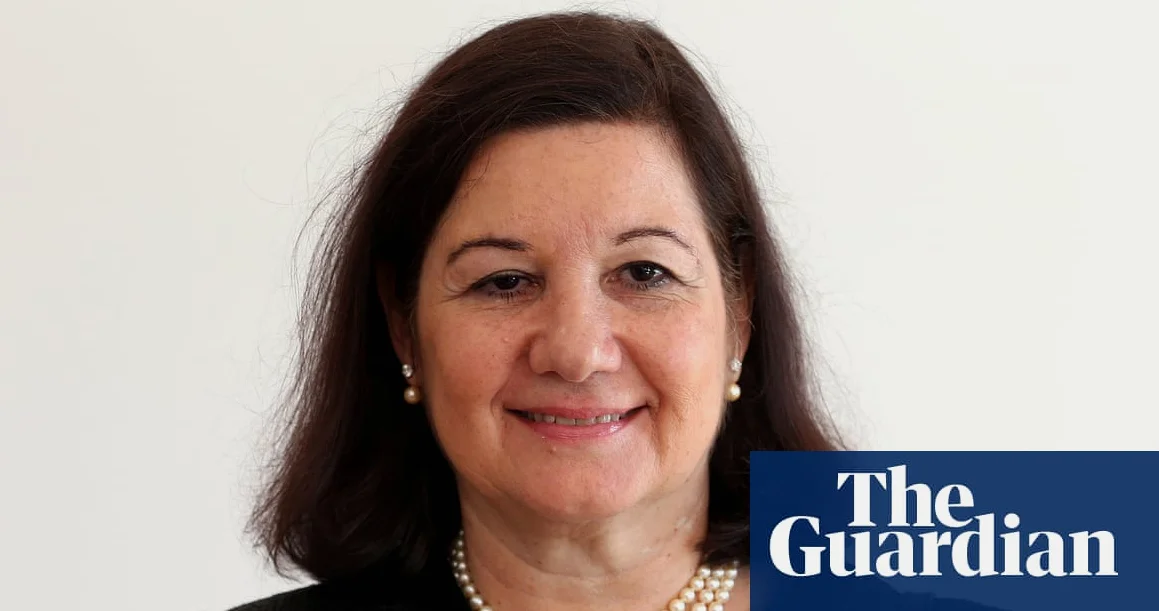
Visa Revocation as Diplomatic Tension Rises
Donald Trump’s administration has revoked the visa of Brazil’s ambassador to the US, Maria Luiza Ribeiro Viotti, marking a significant escalation in a diplomatic feud with Brazil’s president, Luiz Inácio Lula da Silva. The decision was taken in response to Brazil’s refusal to approve Trump’s nominee for ambassador in Brasília and its decision to deny visas to two US diplomats ahead of the October election.
The Trump administration has not gone as far as expelling Viotti, a former senior United Nations official. However, Washington has warned that further diplomatic action remains possible if Brasília continues to withhold its approval for Daniel Perez, a Florida Republican and close ally of the US secretary of state, Marco Rubio.
A state department spokesperson stated, “We communicated continually with the Brazilian government for weeks and have given the Brazilian government every opportunity to do the right thing, yet they have continually delayed and obfuscated.” The ambassador’s visa could be restored if Brazil accepts Perez’s appointment. “This is a reciprocal action,” the spokesperson added, while “Should the ambassador leave the country, she would need to reapply for a visa.”
Political Context and Election Tensions
The dispute has become entangled with Brazil’s increasingly contentious election campaign. Lula, 80, is seeking a fourth, non-consecutive term against Senator Flávio Bolsonaro, the son of former president Jair Bolsonaro, and a close political ally of Trump. Brasília has swiftly condemned the US action, calling it part of a deliberate campaign to influence the election.
Lula’s office said: “Today’s decision is not an isolated incident. It is part of a deliberate escalation of hostile measures against Brazil, motivated by ideological reasons.” Brazil also accused the US of breaching diplomatic norms by announcing Perez’s nomination before seeking Brasília’s consent.
The Brazilian government stated that its consideration of the appointment was still under way and that it had been made clear no decision would be taken before the first round of the election, scheduled for 4 October. The Trump administration argues that Brazil has no right to interfere with the president’s choice of US ambassador to the country; “President Trump has the right to determine who represents the American people and interests around the world,” the state department said. “We reject any effort by foreign countries to interfere in our domestic processes.”
Previous Incidents and Broader Tensions
The latest confrontation follows Brazil’s refusal last month to issue visas to Riley Barnes, assistant secretary of state for democracy, human rights and labour, and one of his senior aides. The US officials had planned to visit Brasília from 27 to 30 July for meetings with government officials, religious leaders, and others about election integrity, religious freedom, and freedom of expression.
Washington described the trip as routine and rejected Brazilian claims that it was intended to interfere in the election; “Any insinuation of a ‘ploy’ to undermine a democratic nation’s election is a baseless lie,” the state department said at the time. Brasília has stood by its decision, saying the officials intended to cast doubt on the integrity of Brazil’s electronic voting system in what it called an “unacceptable attempt to interfere in the national political process.”
The row is particularly sensitive because Jair Bolsonaro and his supporters have spent years alleging, without evidence, that Brazil’s electronic voting system is vulnerable to fraud. He has been barred from standing for office and was convicted over a plot to overturn his defeat in the 2022 election.
The diplomatic confrontation is the latest in a series of clashes between Trump and Lula, whose governments have sharply diverged over Latin American politics, Venezuela, Cuba, and the role of the US in the region. Trump has repeatedly intervened in political contests across Latin America, while Lula has made national sovereignty a central theme of his campaign. The Brazilian president has blamed Rubio for some of the administration’s actions against his government, although he has sought to avoid a direct personal confrontation with Trump and has said the two men got on well when they first met.
Economic pressure has added to the tensions. The Trump administration has imposed tariffs of up to 37.5% on thousands of Brazilian exports, citing what it says are unfair trade practices and failures to prevent forced labour. Lula’s government has rejected the allegations and accused Trump’s administration of trying to help Bolsonaro’s political family, though the US has also classified Brazil’s two biggest drug-trafficking organisations as foreign terrorist organisations, a move opposed by Lula’s government.
Despite the tensions, the state department insists that it still wants to restore a normal relationship with Brasília — “We want to be back in a situation where we have a normal, productive, transparent relationship with our colleagues,” a senior US official said.






Comments
No comments yet
Be the first to share your thoughts