

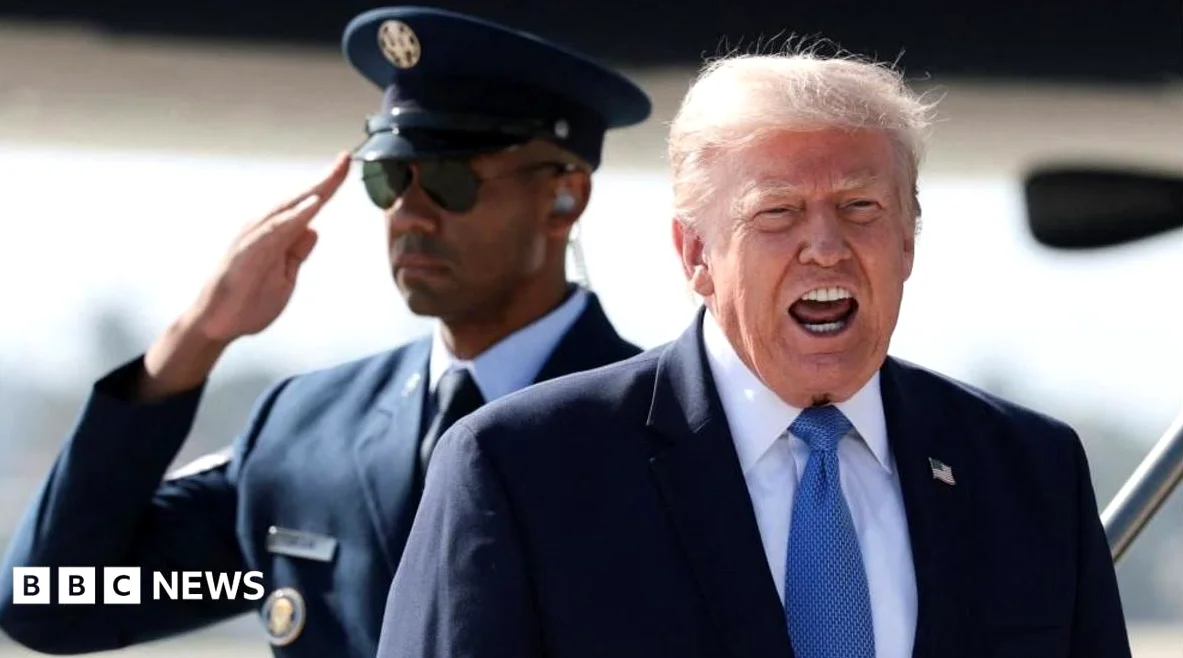
According to the-star.co.ke, U.S. West Texas Intermediate crude prices dropped more than 5% to $76 a barrel, reaching their lowest levels since July 13; Both Brent crude and WTI prices have been falling amid ongoing diplomatic discussions involving Iran and Oman.
Talks with Oman and Lack of Details
U.S. officials, including State Department spokesperson Rubio, said there had been progress in talks to reopen the Strait of Hormuz but no final agreement yet. ‘We’re hoping that will happen very shortly,’ Rubio said at a press briefing. Bessent of CNBC added there was a ‘chance we may have a deal today or tomorrow to open the strait and move towards a more normalised position in this conflict.’
Despite these developments, no concrete details of a potential deal have been released, according to the-star.co.ke, but Iran has stated it is not negotiating directly with the U.S. but is instead engaging with Oman, which is acting as a mediator. A foreign ministry spokesman for Iran said discussions with Oman on a new mechanism for vessels passing through the strait were positive.
Escalation of Tensions and Military Buildup
Trump has escalated rhetoric and actions against Iran in recent days; According to 경향신문, Trump announced on Truth Social that the U.S. will reinstate a naval blockade on Iranian ports and coastal waters. He also imposed a 20% ‘security fee’ on cargo transiting the Strait of Hormuz. ‘The Strait of Hormuz is open, with or without Iran,’ Trump wrote on his social media platform.
TradingView reported that crude oil prices surged on Wednesday following a fresh round of hostilities in the Middle East — the Islamic Major Guard Corps (IRGC) claimed to have targeted a U.S. airbase and command center in Jordan with ballistic missiles. The U.S. and Saudi Arabia also launched a joint attack on ‘Iran-aligned terrorists’ in Iraq, according to TradingView.
Iranian Deputy Foreign Minister Gharibabadi rejected Oman’s proposed route through the Strait of Hormuz, which would split control 50-50 between Iran and Oman. He said the proposal did not address Iran’s concerns and insisted the inbound passage and part of the outbound channel must be under Iran’s full control, according to TradingView.
Uncertainty and Diplomatic Impasses
According to 경향신문, Trump had initially warned of a large-scale airstrike on Iran’s energy facilities but later canceled it at the request of Iran and other Middle Eastern countries. Observers have noted that Trump’s pattern of issuing extreme threats and then canceling them is the biggest obstacle to diplomatic negotiations. ‘We are abruptly canceling the attack plan,’ Trump announced, signaling a shift in tactics to avoid escalation and pressure for renewed talks.
Meanwhile, the U.S. has used nearly all of its global stockpile of long-range precision missiles in recent weeks, according to CBS News, as cited by the-star.co.ke. The ongoing conflict continues to drain military resources and complicate diplomatic efforts. Qatar, a key mediator between Washington and Tehran, said it was continuing efforts with other mediators to achieve a diplomatic resolution but admitted no direct talks were currently planned.


Comments
No comments yet
Be the first to share your thoughts