

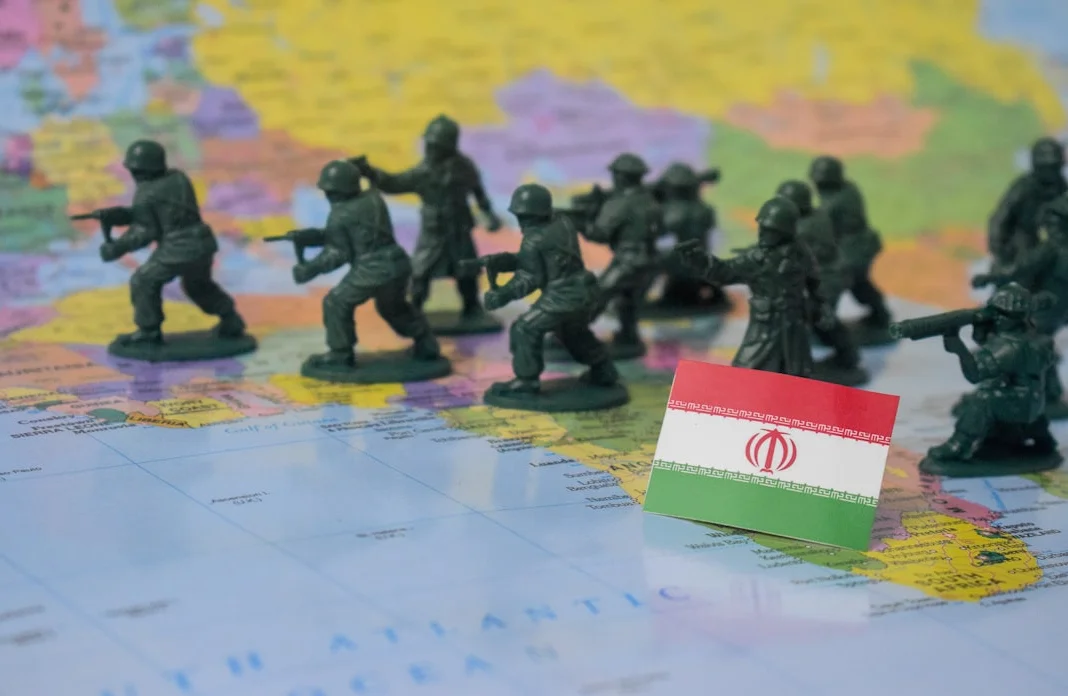
Bitcoin surged to $69,000 on April 14, 2026, as U.S. and Iran engaged in 45-day ceasefire talks, according to TradingView, while the market move came amid rising geopolitical tensions and shifting political dynamics in both nations.
Iran-U.S. Ceasefire Talks and Market Reaction
The 45-day ceasefire between the U.S. and Iran, announced on April 14, 2026, sent shockwaves through global markets, with Bitcoin experiencing a sharp upward trend; According to TradingView, the cryptocurrency reached $69,000, reflecting investors’ hopes for stability in the Middle East. The ceasefire was seen as a critical step in de-escalating regional conflicts, particularly following recent escalations in military posturing by both sides.
Political Tensions in the U.S. Over Iran Policy
Meanwhile, in the U.S., political tensions over President Donald Trump’s approach to Iran have reached a boiling point. According to khan.co.kr. Over 70 federal lawmakers. Including members of the Democratic Party and the MAGA (Make America Great Again) movement, have called for the invocation of the U.S, while Constitution’s 25th Amendment, which outlines procedures for presidential succession in the event of incapacity or removal. The push for invoking the 25th Amendment comes amid growing public and political pressure on Trump, who has faced criticism for his hardline stance on Iran, including comments suggesting Iran is seeking to “wipe out civilization.”
Former House Speaker Nancy Pelosi and progressive Congresswoman Alexandria Ocasio-Cortez have joined the call for Trump’s removal, highlighting the deep divisions within the U.S. political landscape. The 25th Amendment invocation is a rare and extreme measure, typically reserved for situations where a president is deemed unfit to serve.
Domestic Political and Labor Conflicts in South Korea
While the U.S. and Iran were locked in ceasefire negotiations, South Korea was grappling with its own domestic political and labor challenges. According to khan.co.kr. The Korean labor commission recognized the original contractor’s user status over subcontracted workers for the first time since the implementation of the Yellow Envelope Act. This decision, made by the Gyeongbuk Labor Commission, acknowledged that POSCO, a major steelmaker, holds the user status of its subcontracted workers, and that the negotiation units of subcontracted labor groups should be separated.
Additionally, POSCO announced plans to directly employ approximately 7,000 workers from its subcontractors, a move that has sparked backlash from the POSCO Workers’ Union. The union criticized the company for bypassing formal procedures and failing to build a consensus with labor groups before making the decision. This development highlights the ongoing labor tensions in South Korea’s industrial sector.
The convergence of global geopolitical tensions, domestic political movements, and labor disputes exposes the complex and interconnected nature of today’s international and national issues. From the Middle East to the U.S. and South Korea, the ripple effects of policy and power are felt across multiple fronts.






Comments
No comments yet
Be the first to share your thoughts