

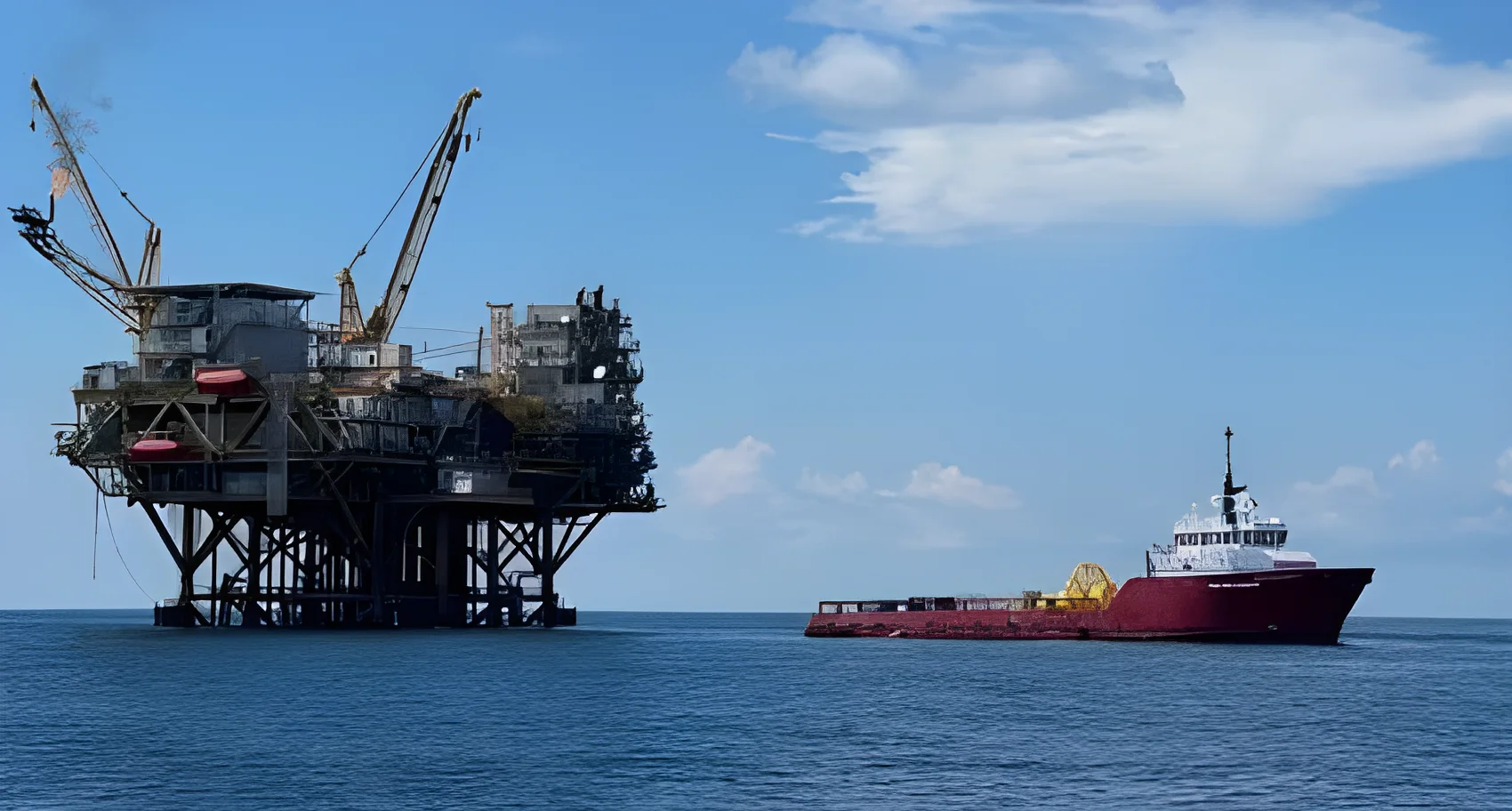
The escalating conflict between Iran and the United States is sending ripples through global energy markets, with Louisiana consumers feeling the pressure at the gas pump. Crude oil prices surged 6% to nearly $72 per barrel on Monday, driven by continued U.S. air strikes and Iran’s retaliatory missile attacks across the energy-rich Middle East. The Strait of Hormuz, a critical transit point for about 20% of the world’s oil supply, saw near-complete closure to maritime traffic, intensifying fears of supply disruptions.
Impact on Louisiana Gas Prices
Gasoline prices in Louisiana, which currently average around $2.50 per gallon, are expected to rise in the coming weeks. Tyler Gray, director of innovation at the LSU Energy Institute, explained that while short-term price fluctuations may be manageable, prolonged disruptions could significantly raise costs. ‘The impact of these disruptions depends on their duration and severity,’ Gray said. ‘Short term price swings may be manageable but prolonged issues could significantly raise costs.’
The connection between global oil markets and Louisiana’s fuel prices is direct. Louisiana is a major hub for oil refining, processing about 80% of the U.S.’s crude oil consumption, according to Eric Smith of the Tulane Energy Institute. However, global supply chains are deeply interconnected, and the closure of key shipping lanes due to the conflict could make it more difficult and expensive to export oil and liquefied natural gas (LNG) from the Gulf Coast.
Energy Production and Market Vulnerability
While the U.S. is now less dependent on foreign oil than ever before, producing over 70% of its own consumption, the global nature of energy markets means Louisiana is not immune to international conflicts. ‘We have plenty of oil and plenty of refining capacity,’ Smith said. ‘That’s not the issue.’
Jim Richardson, an LSU professor emeritus, noted that while oil and LNG exports can continue, the difficulty in handling clogged shipping lanes could limit sales. ‘If you are having trouble sending your ships around the world, it makes it more difficult to sell,’ Richardson said. ‘That’s a real challenge.’
The uncertainty surrounding the conflict is already affecting markets. ‘Markets respond swiftly to perceived risks, and the effects are often visible at the pump before any physical supply constraints materialize,’ Gray added. This could lead to higher transportation, food, and industrial input costs across the economy.
Potential for Increased Domestic Production
President Donald Trump has long emphasized increasing domestic oil production, a goal that has been hindered by low oil prices, which have hovered around $60 per barrel. If the conflict with Iran persists and global oil supplies are cut off, this could justify increased drilling in Louisiana and other Gulf Coast states.
Such a scenario could lead to job creation and benefit local energy companies. However, experts caution that the increased production would likely come at the expense of consumers, who would face higher prices. ‘Two things can be true at once,’ Gray said. ‘It’s good for producers, but bad for consumers.’
Building new production and refining capacity, however, is not a quick process. Smith said it would take time and carry significant financial risk for oil companies. ‘I don’t think it’s likely because of the financial risk oil companies would be taking,’ he said.
Another potential long-term impact could be an increased push toward renewable energy sources like wind and solar, which have been stalled by the Trump administration. However, Richardson noted that such projects would take years to develop and would not provide immediate relief to Louisiana’s energy supply.
For now, Louisiana consumers are bracing for higher gas prices and utility bills. ‘It depends on whether this lasts for a month or a year,’ Richardson said. The situation remains fluid, with no clear end in sight to the conflict.






Comments
No comments yet
Be the first to share your thoughts