

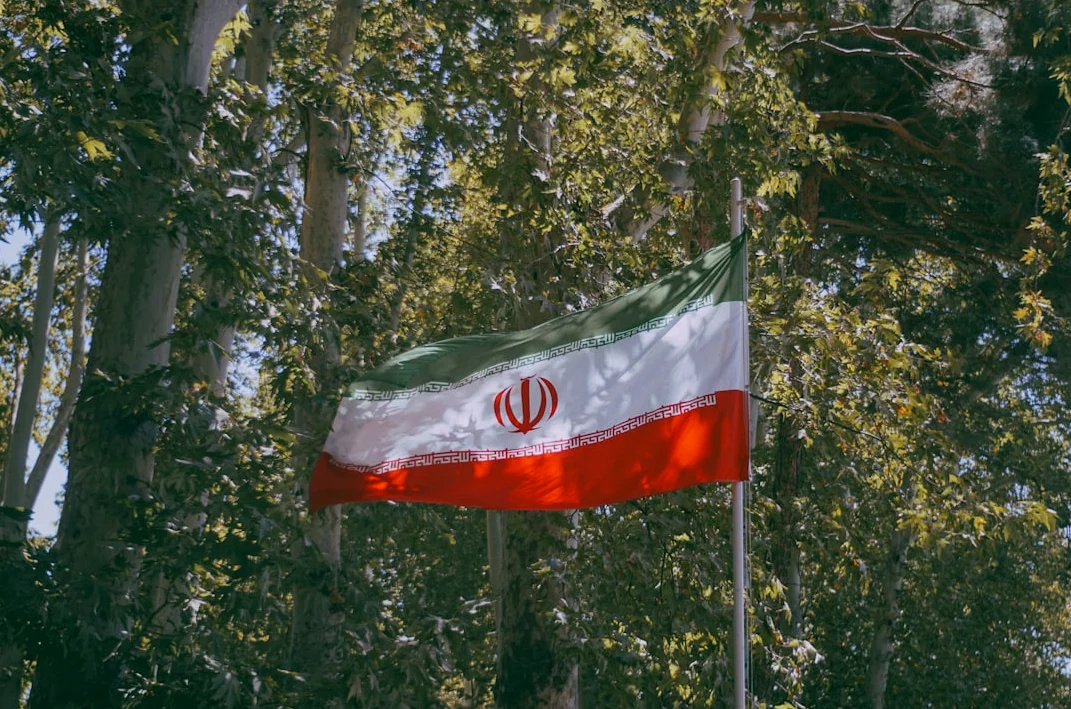
The Iran war enters its fourth week with oil and natural gas prices surging as strikes and counterstrikes continue to target key energy facilities in the Gulf. The conflict. Which began with a series of military actions by the United States and Israel, has moved beyond the initial expectations of President Donald Trump, who had estimated the campaign would last between four to six weeks. However, as the situation unfolds, the lack of a clear political end state and shifting military dynamics have raised concerns about the long-term consequences of the war.
Unclear End State for Iran
One of the most pressing questions surrounding the conflict is what the United States envisions as the preferred political outcome in Iran. President Trump initially framed the campaign as a path to regime change, declaring in the early hours of the war that his goal was to bring freedom to the Iranian people. However, as the conflict enters its fourth week, it is evident that achieving such a goal is far more complex than initially anticipated.
Analysts note that the United States and Israel have begun to recognize the limits of air and naval power in removing a repressive regime; Without a clear vision for a political transition in Iran, military operations risk further destabilizing the region. Initial assessments from the US intelligence community indicate that the Iranian regime has not only endured but also consolidated its power despite suffering significant losses of top leadership and infrastructure.
The absence of a defined political end state could lead to unpredictable outcomes; Potential scenarios include the emergence of a harder-line leadership in Iran, increased domestic unrest, or even civil war. These risks mirror past mistakes made by the United States in conflicts such as Iraq and Afghanistan, where the lack of a clear exit strategy led to prolonged instability.
Broader US Strategy in the Middle East
As the war continues. The question of how a new Iran would fit into a broader US strategy in the Middle East has become increasingly important. The Trump administration’s decision to align closely with Israel, while largely ignoring the calls for diplomacy from regional partners, has shifted the balance of power in the region. This alignment has placed the United States in a more direct position with Israel, potentially isolating it from some of its traditional Arab allies.
Regional partners. Including Gulf states. Have largely taken a passive defensive posture in the face of Iranian attacks; these countries may continue to hedge their bets, diversifying their relationships to mitigate risks from Washington’s unpredictable policies. While maintaining strategic ties with the United States on military and defense matters, these Gulf states are also likely to seek alternative partnerships to reduce their dependence on the US in the long term.
A positive outcome of the war could be a more reformist government in Iran that prioritizes the needs of its people and seeks integration with the broader region. However, the current trajectory of the conflict suggests a more negative outcome, with Iran becoming a chronic threat to regional stability. This could undermine the Gulf countries’ efforts to diversify their economies away from hydrocarbons, a goal that was highlighted during President Trump’s recent visits to Saudi Arabia, Qatar, and the UAE.
Priority of the Middle East in US Foreign Policy
As the war in Iran continues. The Middle East’s place in the broader US foreign policy agenda is under scrutiny. With global challenges such as China’s growing influence, Russia’s ongoing war in Ukraine, and the pressing issue of climate change, the US is facing multiple fronts that may divert attention from the region.
In the months leading up to the Iran war, the Trump administration released national security and defense strategies that emphasized a reduced focus on the Middle East. According to the strategy, the days in which the region dominated US foreign policy are over, not because it no longer matters, but because it is no longer seen as the constant irritant it once was. This shift in strategy may continue, with the United States potentially pulling back from the region in the medium to long term.
However, the trajectory of the Iran war may challenge this strategic shift. If the conflict continues to escalate, the US may be forced to re-evaluate its commitment to the region. This could lead to a rethinking of the administration’s broader foreign policy goals, particularly in light of the unpredictable nature of the current conflict.
As the Iran war enters its fourth week, the lack of a clear political end state and the shifting dynamics of the conflict continue to raise questions about the United States’ broader strategy in the Middle East. With the potential for long-term consequences, the situation remains fluid and uncertain, requiring ongoing analysis and strategic re-evaluation.






Comments
No comments yet
Be the first to share your thoughts