

Iran is preparing for a potential ground invasion as the United States continues to reinforce its military presence in the region, according to reports from CNN and Al Jazeera. The situation has escalated with Iran launching missile attacks on Kuwait and Qatar intercepting drones from Iran, raising concerns about the expansion of the conflict into new territories.
Regional Diplomacy and De-Escalation Efforts
In response to the growing tensions. Foreign ministers from Pakistan, Turkey, Egypt, and Saudi Arabia have convened in Islamabad to seek a diplomatic resolution to the crisis. According to Al Jazeera, the meeting aims to prevent further escalation of the war and to de-escalate the situation between the US, Israel, and Iran. Saudi Arabia’s Foreign Minister, Prince Faisal bin Farhan, stated during the summit that the region is at a ‘critical juncture’ and that ‘coordinated efforts are essential to avoid further destabilization.’
Pakistan’s Prime Minister, Shehbaz Sharif, emphasized the need for ‘regional solidarity’ during the talks, saying, ‘The conflict in the Middle East has far-reaching implications for the entire region. It is imperative that we work together to find a peaceful solution.’ Turkey’s Foreign Minister, Hakan Fidan, echoed these sentiments, adding that ‘the international community must play a role in preventing the war from spreading.’
Military Movements and Escalation in Yemen
The United States has reportedly deployed additional troops to the Middle East, according to CNN, in anticipation of a possible ground invasion by Iran. This move comes as tensions continue to rise in Yemen, where Iran-backed Houthi rebels have launched attacks on Israeli and Saudi targets. Israel has warned that it is prepared to retaliate against these attacks, with its military stating it is ready to strike ballistic missile production facilities in Yemen.
According to a report by Deutsche Zeitung, Israel has issued warnings that it may respond to Houthi attacks with a ‘significant military response.’ The article notes that Israeli Defense Minister Yoav Gallant has said, ‘We are prepared to act decisively to protect our citizens and our interests in the region.’ The Houthi rebels, however, have not backed down, stating that they will continue their attacks ‘until the occupation ends.’
Humanitarian Impact and Local Reactions
The war has had a devastating impact on the region, with reports of increased civilian casualties and displacement. In Kuwait, 10 troops were wounded in a missile attack attributed to Iran, according to Al Jazeera. The attack has raised concerns about the safety of military personnel and the potential for further escalation of hostilities.
Local communities in affected areas have also been severely impacted. According to a report from Gukjenews, residents in southern Lebanon have reported an increase in air raids and drone attacks, leading to a significant rise in civilian casualties. In response, the Lebanese government has called for an immediate ceasefire, stating that ‘the people of Lebanon cannot bear the burden of this war any longer.’
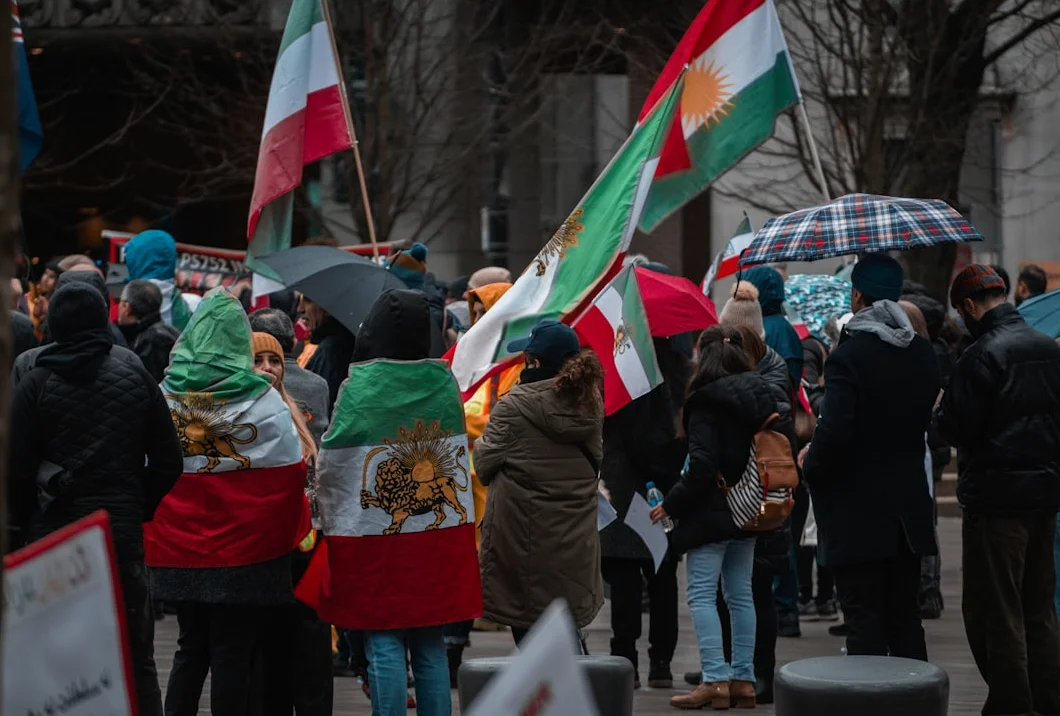
Meanwhile, in Iran, public sentiment appears to be divided. Some citizens are supportive of the government’s actions, while others are calling for a peaceful resolution to the conflict. A protest in Tehran, organized by anti-war groups, saw thousands of people demanding an end to the war. One participant said, ‘We cannot continue to suffer for the sake of a regime that is only interested in power and control.’
International Involvement and Diplomatic Efforts
The international community has been closely monitoring the situation, with several countries expressing concern over the escalating conflict. According to reports from El Diario Vasco, European nations have called for increased diplomatic efforts to prevent the war from spreading further. The European Union has urged all parties involved to engage in dialogue to find a peaceful solution.
In addition to diplomatic efforts, there have been reports of military activity from other nations. According to a report from Gukjenews, Russia has been accused of providing military support to Iran, while the United States has increased its military presence in the region. These actions have raised concerns about the potential for a broader conflict involving multiple countries.
Meanwhile, the United Nations has called for an immediate ceasefire and has urged all parties to return to the negotiating table. UN Secretary-General António Guterres has stated, ‘The international community cannot stand by while the situation continues to deteriorate. We must find a way to stop this war before it is too late.’
What’s Next and Why It Matters
As the situation continues to develop, the next steps remain uncertain. The United States has not yet confirmed whether it will proceed with a ground invasion, but military analysts believe that such an action could significantly escalate the conflict. In the meantime, regional powers are working to de-escalate the situation and prevent further bloodshed.
The war in the Middle East has far-reaching implications, not only for the region but also for global security. The conflict has the potential to disrupt global oil supplies and trigger a broader regional war. As such, it is critical that all parties involved continue to engage in diplomatic efforts to find a peaceful resolution to the crisis.
For now, the world watches closely as the situation unfolds, hoping for a de-escalation that will prevent further loss of life and ensure long-term stability in the region.






Comments
No comments yet
Be the first to share your thoughts