

 BBC
BBC 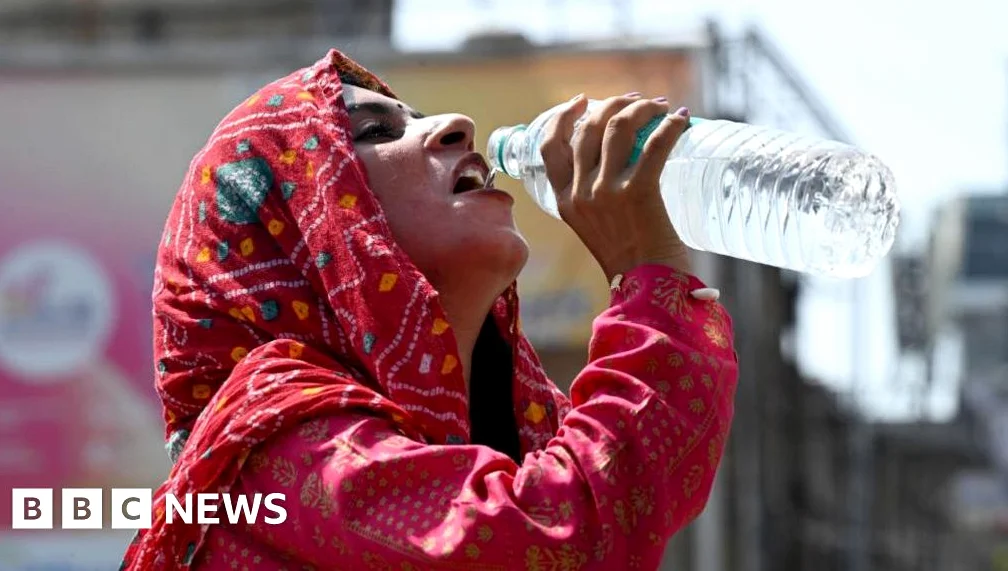
Strain on Bottled Water Industry
India’s bottled water industry is facing pressure as the war with Iran disrupts global supply chains and increases the cost of raw materials. Market leader Bisleri raised prices by 11% last month, making a box of 12 one-litre bottles 24 rupees ($0.26; £0.20) more expensive. Other brands, including Bailley and Clear Premium Water, have also increased their prices, according to Reuters.
Dependence on Bottled Water
About 15% of urban households and 6% of rural households in India rely on bottled water for drinking needs. This dependence is costly, especially in rural areas where access to clean water is limited due to water shortages, groundwater contamination, and infrastructure gaps. The situation is expected to worsen as summer temperatures in some regions could exceed 45C.
Rising Costs of Crude Oil
Vijaysinh Dubbal, president of the Maharashtra Bottled Water Manufacturers Association, explained that the surge in crude oil prices has driven up the cost of producing plastic bottles. The price of a barrel of Brent crude oil recently reached $119, close to its highest level since the start of the US-Israel war with Iran. Crude oil is used to make Polyethylene Terephthalate (PET) resin pellets, a key material in bottle manufacturing.
Supply Chain Disruptions
The cost of PET resin pellets has risen from 115 rupees per kg to around 180 rupees per kg, with a 20% shortage in the supply of preforms. Approximately 20% of bottle manufacturing plants in Maharashtra have temporarily shut operations due to the supply shortage. While some companies have increased prices, many have absorbed the costs to shield consumers from immediate price hikes.
Impact on the Packaging Industry
Vaibhav Saraogi, director of Chemco Plastic Industries Pvt Ltd, one of India’s largest suppliers of PET preforms, warned that the rising costs will affect the entire packaging industry, not just bottled water. The size of India’s PET packaging market was $1.5bn in 2024 and is expected to reach $2.2bn by 2033, with applications in beauty, pharmaceuticals, and food delivery.
Rising Glass Bottle Prices
The Brewers Association of India, representing major global brewers like Heineken and Carlsberg, reported that glass bottle prices have surged around 20% due to the war. The association has asked member companies to request a 12-15% increase in beer prices, as alcohol pricing varies by state. The Confederation of Indian Alcoholic Beverage Companies has also written to states to seek price adjustments.
Impact on Glass Manufacturing
Vithob Shet, CEO of Vitrum Glass, a leading manufacturer of amber glass bottles used by pharma companies and breweries, said the price rise is due to fluctuating natural gas supplies. Natural gas is essential for glass production, as it is used to melt raw materials into molten glass. However, India has tightened natural gas regulations since the war began, prioritizing domestic and commercial use.
Energy Supply Crunch
Some glass manufacturers, like Vitrum Glass, are using oil to compensate for the natural gas shortage, but the high cost of crude oil is increasing production expenses. India’s government has stated that energy supplies are stable, but several commercial eateries have closed due to a shortage of cooking gas. The energy crisis has also affected the ceramics and fertiliser industries, with the aviation sector reeling from soaring jet fuel prices.
Essential Commodities at Risk
Shet emphasized that water and medicines are essential commodities, and even a slight decline in supply can have major consequences. The situation highlights the growing vulnerability of India’s supply chains as the war with Iran continues to disrupt global trade routes, particularly through the Strait of Hormuz, which handles about 20% of the world’s oil and liquefied natural gas.
Consumer Impact
While the price of a one-litre bottled water remains around 20 rupees, and a five-litre bottle costs about 60-70 rupees, Dubbal warned that absorbing extra costs is not sustainable. If the situation worsens, consumers are likely to face higher prices for both bottled water and non-alcoholic beverages during the peak summer months of April and May.






Comments
No comments yet
Be the first to share your thoughts