

 BBC
BBC 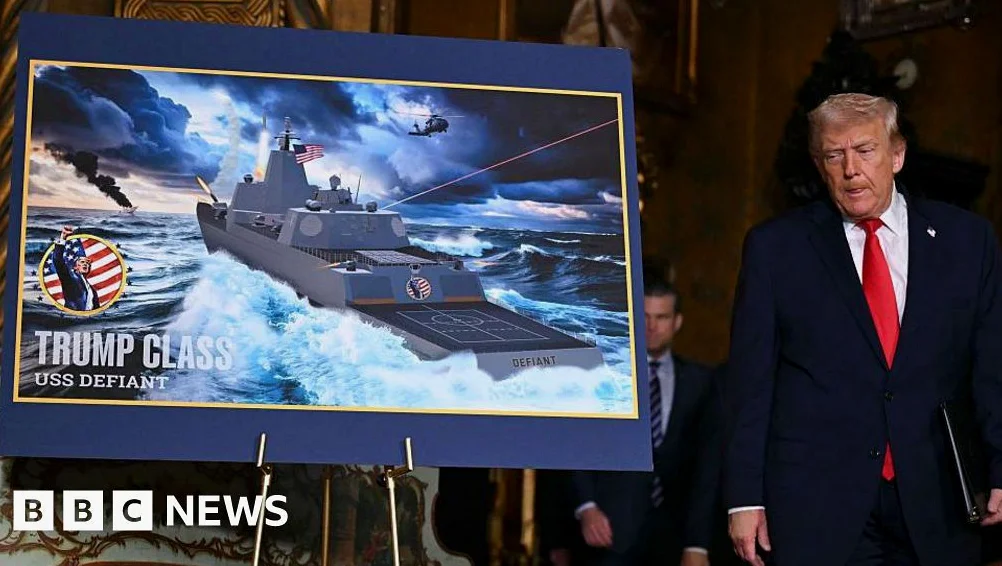
The White House has requested Congress to increase the U.S. defence budget to $1.5tn (£1.1tn), the largest expansion in military spending since the Second World War, according to the BBC. This proposal, which would require approval from Congress, includes a call for cuts across domestic agencies, including the elimination of some climate, housing, and education programmes.
Proposed Cuts to Domestic Agencies
The administration outlined its plan for achieving the budget cuts through the reduction or elimination of what it calls ‘woke, weaponised and wasteful programmes,’ as well as by returning local responsibilities to state governments. This approach aligns with President Donald Trump’s long-standing desire to increase the defence budget and boost domestic defence manufacturing.
At a private event at the White House earlier this week, which was caught on camera, Trump emphasized the need to prioritize military spending. ‘It’s not possible for us to take care of day care, Medicaid, Medicare, all of these individual things, they can do it on a state basis,’ the president said, adding that the focus should be on ‘military protection.’
Non-defence spending in the proposed budget has fallen by 10%, or about $73bn. Trump’s proposed budget would mark a 42% increase over the previous fiscal year, totalling $445bn. Of the total, approximately $1.1tn would be in discretionary spending for the Pentagon, the highest on record.
Industrial Defence Base Funding
Another $350bn – specifically for the industrial defence base – would come from a process known as budget reconciliation, a procedural shortcut that lets some legislation pass the Senate with a simple majority of 51 votes. The budget also requests pay rises for troops and $65.8 billion in shipbuilding funding, including for what Trump has referred to as a ‘Golden Fleet’ of next generation vessels.
These include the heavily-armed Trump-class battleships revealed in December. At a press conference announcing the battleship, Trump said that the construction of the first of the vessels, the USS Defiant, would begin soon, with the first ships operational in two-and-a-half years.
Administration officials have repeatedly warned that the U.S. currently lags behind China in both shipbuilding capacity and total output. Additionally, the budget also includes an unclear amount of funding for the $185bn Golden Dome, which officials have said will include multiple layers of land, sea and space based sensors and interceptors designed to protect the U.S. from next-generation missiles and drones.
Cost Concerns and Uncertainties
The Congressional Budget Office has estimated the potential price tag at $542bn over 20 years on the space-based systems alone. Experts have said the total cost could eventually soak up a large chunk of the massive U.S. defence budget. The proposed $1.5tn budget would be separate from the $200bn that the Pentagon sought for the war in Iran.
A summary of the budget posted online notes that the cuts will be achieved by ‘reducing or eliminating woke, weaponised and wasteful programmes, and by returning local responsibilities to their respective governments.’ This budget request, according to the BBC, reflects a sweeping rise in military spending and a significant shift in domestic priorities.
Trump has long signalled a desire to increase the defence budget and boost domestic defence manufacturing. The proposed budget would mark a significant change in the balance of spending, shifting focus from domestic programmes to military protection.






Comments
No comments yet
Be the first to share your thoughts