

 CBS News
The Iran war rages on as conflicting messages from U.S. President Donald Trump and Iranian officials create uncertainty in global markets, according to CBS News. Trump has expressed optimism about potential talks to end the conflict, but Tehran has denied any formal discussions, leaving the situation in the Strait of Hormuz in a state of gridlock.
Escalating Tensions in the Persian Gulf
According to a senior Iranian Foreign Ministry official, the U.S. has sent messages to Iran through a mediator, which are now under review. However, Trump has suggested that a deal is possible, creating a rift in communication between the two nations. The situation has left oil prices fluctuating as traders speculate on the potential for further escalation.
U.S. officials have confirmed the presence of at least a dozen Iranian mines in the Strait of Hormuz, a critical waterway for global oil trade. This has raised concerns about the potential for further conflict in the region, with Trump having previously threatened to target Iran’s energy infrastructure. However, he has since backed off, citing ongoing peace talks.
The conflict has also drawn attention from other global players. A shadowy group claiming responsibility for antisemitic attacks in Europe has warned that it will target “U.S. and Israeli interests worldwide.” This has added another layer of complexity to the already volatile situation in the Middle East.
Domestic and International Fallout
Meanwhile, the partial government shutdown in the U.S. has reached six weeks, with the Senate inching closer to a deal to fund the Department of Homeland Security. The shutdown has also affected TSA operations, with nearly 12% of all TSA officers scheduled to work on Sunday calling out—the highest rate since the start of the shutdown.
The impact of the shutdown has been felt across the country, with travelers facing long security lines at airports. A travel expert told CBS News that “TSA PreCheck will likely help you, even now with the long lines we’re seeing at checkpoints.” This has raised concerns about the efficiency of the country’s security infrastructure during times of crisis.
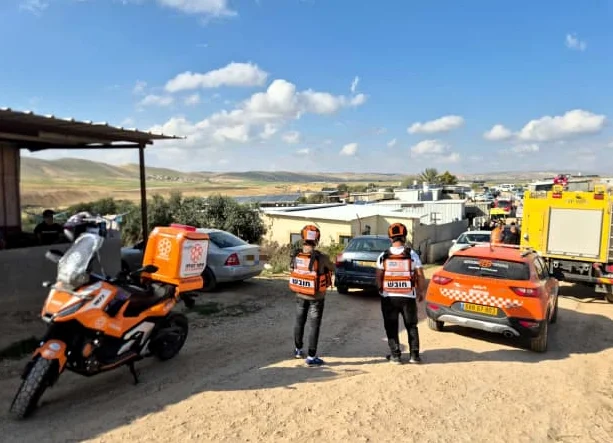
In New York, a tragic incident occurred when an Air Canada Express plane collided with a fire and rescue vehicle at LaGuardia Airport, resulting in two pilots being killed and dozens of people injured. The incident has added to the growing list of challenges faced by the U.S. as it handles both domestic and international crises.
Legal and Political Developments
Domestically, legal and political developments continue to shape the landscape. Former Florida Rep. David Rivera is accused of secretly lobbying for the Venezuelan government during the first Trump administration. Meanwhile, Oklahoma Gov. Kevin Stitt has appointed energy executive Alan Armstrong to replace newly confirmed DHS Secretary Markwayne Mullin in the Senate.
Legal proceedings have also seen significant developments. A civil jury in California found 88-year-old Bill Cosby liable for drugging and sexually assaulting Donna Motsinger in 1972 and awarded her nearly $60 million. This case has reignited discussions about accountability for past misconduct, particularly in the entertainment industry.
Other legal matters include the Trump administration’s request to dissolve an order preventing ICE from deporting Kilmar Abrego Garcia to Liberia. Additionally, the administration has argued that Harvard unlawfully discriminated against Jewish and Israeli students, violating federal civil rights law.
In the area of international relations, the Supreme Court is considering a challenge to a Mississippi law that allows ballots postmarked by but received up to five days after Election Day to be counted. This has sparked debate over voting rights and election integrity across the country.
As the Iran war continues to unfold, the global community remains on edge. The situation has far-reaching implications, not only for the Middle East but also for international trade, security, and diplomacy. The next steps will likely involve further negotiations between the U.S. and Iran, as well as potential actions by other global powers involved in the region.



Comments
No comments yet
Be the first to share your thoughts