

 The Washington Post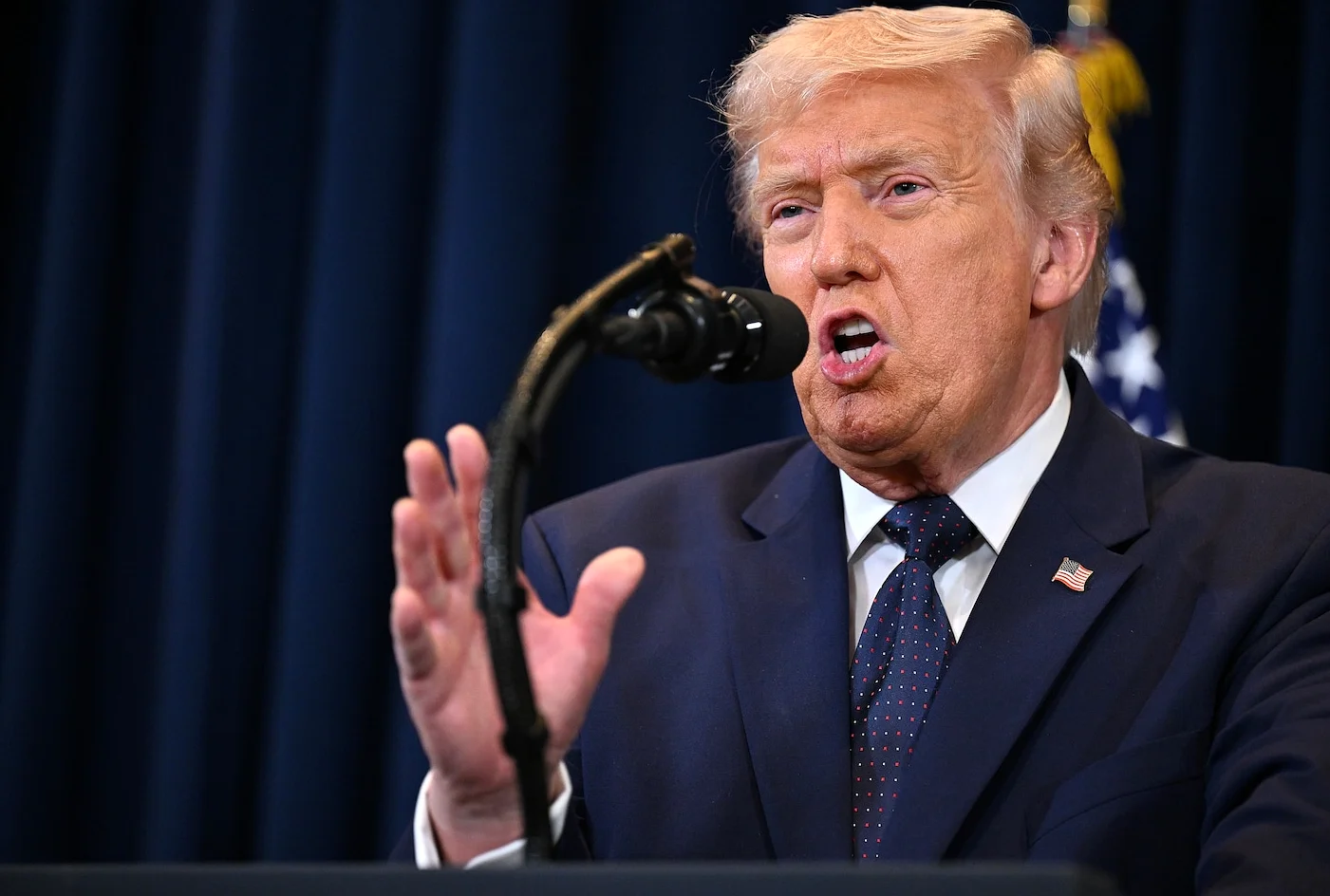
Oil prices surged to nearly $120 per barrel on Monday before retreating to under $90, as the United States’ conflict with Iran entered its second week. The volatility has reignited concerns among Republicans about the political and economic consequences of a prolonged war, with some lawmakers already adjusting campaign messages to reflect the shifting landscape.
Impact on Midterm Campaigns
President Trump had previously highlighted declining gas prices as a key achievement during his State of the Union address, touting the economic progress of his administration. However, the recent spike in oil and gas prices has complicated that narrative, particularly as the war with Iran shows no signs of immediate resolution.
Gas prices at the pump have increased by nearly 50 cents in just one week, with some states already seeing prices surpass $3 per gallon. This development has raised alarms among GOP strategists, who are already handling a challenging political environment ahead of the 2026 midterms.
“Gas was one thing that they have been touting as an economic win,” said Mitchell Brown, a Republican pollster working on midterm races. “A reversal on that obviously makes the message harder.”
Political Messaging Under Pressure
The White House has sought to frame the price increases as temporary, emphasizing that oil prices will drop once military objectives are achieved. However, the uncertainty surrounding the duration of the conflict has led some Republicans to rethink their messaging, with several congressional candidates revising fundraising pitches to reflect the new reality.
“We have Only Just Begun to Fight,” the Department of War declared on social media Monday, just before Trump told CBS News that the war was “very complete.” The conflicting messages have left many in the GOP concerned about how to address the growing discontent among voters.
One Republican consultant, who spoke on the condition of anonymity, described having to rewrite a campaign pitch that previously highlighted pre-war gas prices. “We can’t afford to be seen as the party responsible for this,” the consultant said.
Domestic and International Reactions
While the White House has maintained that the price hikes are temporary, some on the right have criticized Trump for allowing the situation to escalate. Matt Walsh, a conservative influencer with over 4 million followers, warned that Trump’s comments on gas prices could hurt Republican chances in the midterms.
“If they rise, they rise,” Trump told Reuters, predicting a rapid drop in prices once the conflict is over. But Walsh argued that pretending the situation is “good messaging” could backfire.
Democrats have seized on the rising gas prices as part of a broader argument that Trump is distracted from domestic economic issues. Neera Tanden, a former Biden administration official, said the price increases could be especially damaging to Trump, as there is an “easy story” to tell about how his policies are responsible.
“They only have one person to blame and that is the president of the United States,” Tanden said.
Meanwhile, administration officials are exploring options to lower gas prices, including easing sanctions on Russia and releasing oil from the Strategic Petroleum Reserve. Dan Eberhart, a GOP donor and oil executive, said the administration is “very sensitive” to energy costs and is working to find a “quick solution.”
The White House has also emphasized that the war with Iran is nearing an end, with Trump recently stating that the conflict is “very complete.” However, with Iran vowing to continue retaliatory strikes, the situation remains highly uncertain.
As the war continues, the GOP faces a critical juncture. If gas prices remain high for more than two months, it could lead to a “bloodbath” for Republicans in the midterms, according to some analysts.
“If this goes on beyond, I’d say, two months, then people are going to be really concerned about it,” said Martha Zoller, a conservative radio host in Georgia, where Republicans face some of the most competitive congressional races.






Comments
No comments yet
Be the first to share your thoughts