

 BBC
BBC 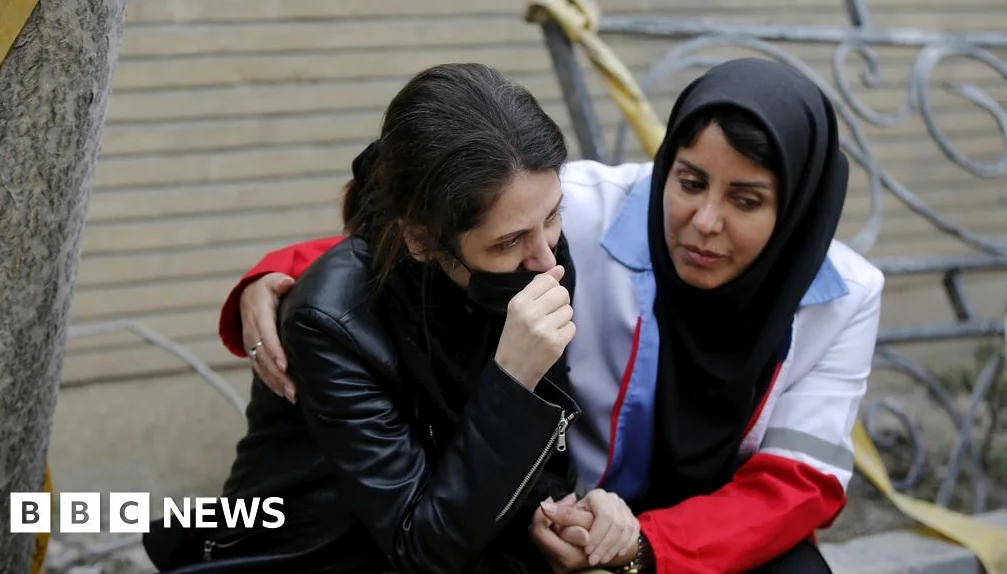
The ongoing conflict between the United States, Israel, and Iran has brought into question the very norms that have historically governed international warfare. With threats from the US to strike Iranian energy facilities and retaliatory attacks by Iran on its Gulf neighbors, the war is changing the rules that have long defined how nations engage in conflict, according to legal experts and international organizations.
Legal Challenges to International Norms
US President Donald Trump has made explicit threats to use overwhelming force against Iranian energy sites, including the South Pars gas field, and has warned that the US would ‘obliterate’ Iran’s power plants if the country does not reopen the Strait of Hormuz. These statements have drawn sharp criticism from international legal figures.
Luis Moreno Ocampo. The founding chief prosecutor of the International Criminal Court (ICC), has called the war against Iran a ‘crime of aggression’ under international law. He argues that attacks on energy infrastructure by both the US and Iran do not meet the criteria for legitimate military targets, comparing them to Russia’s attacks on energy sites in Ukraine, which led to war crimes charges against Russian officials.
Moreno Ocampo explained that a ‘crime of aggression’ involves the use of armed forces by a state against the sovereignty, territorial integrity, or political independence of another state. He warned that the current situation represents a shift from a rules-based system to a system where the decisions of a single leader, like Trump, dictate the rules of engagement.
The White House dismissed Moreno Ocampo’s statements as ‘ridiculous,’ arguing that Trump’s actions are necessary to counter a ‘rogue, terrorist regime.’ US Ambassador to the United Nations Mike Waltz claimed that Iran’s control over critical infrastructure and its alleged nuclear ambitions justify attacks on its power plants as legitimate military targets.
Impact on Global Energy Infrastructure
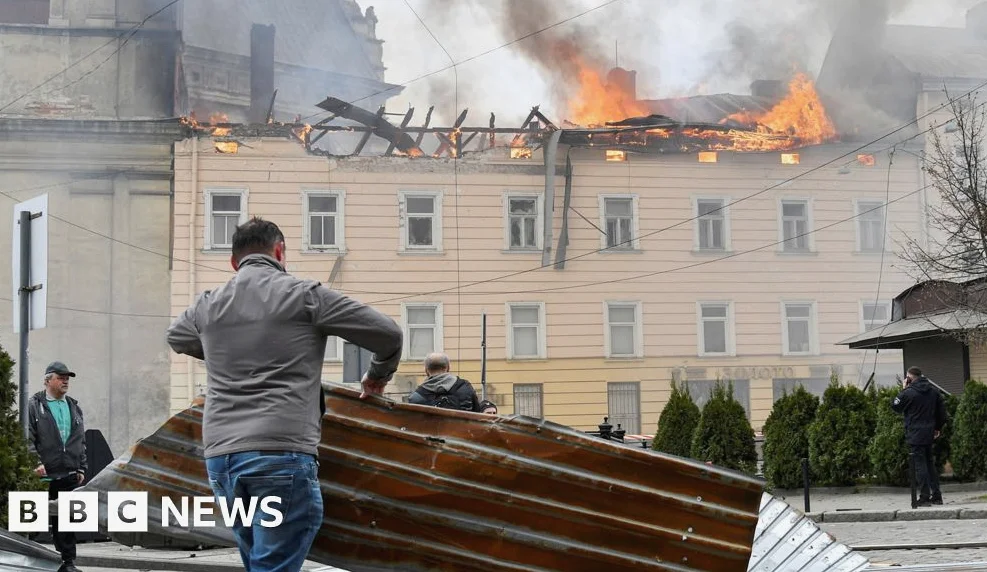
The conflict has already taken a heavy toll on energy infrastructure across the Middle East. According to the International Energy Agency (IEA), at least 40 energy assets across nine countries have been ‘severely or very severely’ damaged since the war began. These attacks include strikes on fuel depots in Tehran, which created massive fireballs and smoke, and retaliatory strikes by Iran on energy sites in Qatar, the UAE, Saudi Arabia, and other Gulf states.
Iran has warned that if the US attacks its energy facilities, it will retaliate by targeting the energy and water systems of its Gulf neighbors. This threat has raised concerns about the potential for further damage to civilian infrastructure, particularly given that many Iranians are already experiencing power outages that affect water pumping and other essential services.
According to the World Health Organization, the conflict has reached a ‘perilous stage,’ with missiles landing near nuclear facilities in both Iran and Israel. The organization has called for restraint to avoid further escalation.
Brian Finucane. A former state department lawyer. Said that Trump’s threats to attack Iranian energy facilities are unlikely to be lawful, given that such targets are not clearly defined as military objectives under international law. He noted that even if civilian sites are used for military purposes, attacks must still distinguish between combatants and non-combatants.
Erosion of International Norms
Critics argue that the Trump administration’s actions have signaled a retreat from the rules-based international order. Brian Katulis, a former national security official, described the situation as a ‘very dicey moment for the international order,’ noting that the US’s willingness to abandon norms on warfare has emboldened other states to act unilaterally.
Katulis pointed out that the Trump administration’s failure to secure international support for actions in Iran and Venezuela has eroded trust among allies. He called the current approach ‘thugboat diplomacy,’ a term that implies a more aggressive, unilateral foreign policy.
The White House has rejected these criticisms, claiming that Trump has restored America’s position as the world’s most powerful country and is protecting the US and its allies from the threat of a nuclear-armed Iran. Officials said that previous administrations had failed to address Iran’s nuclear ambitions effectively, instead choosing to preserve the status quo.
With the conflict continuing and tensions rising, the international community is watching closely to see whether the norms of warfare will continue to erode or if there will be a return to a more structured, rules-based system of engagement.

Comments
No comments yet
Be the first to share your thoughts