

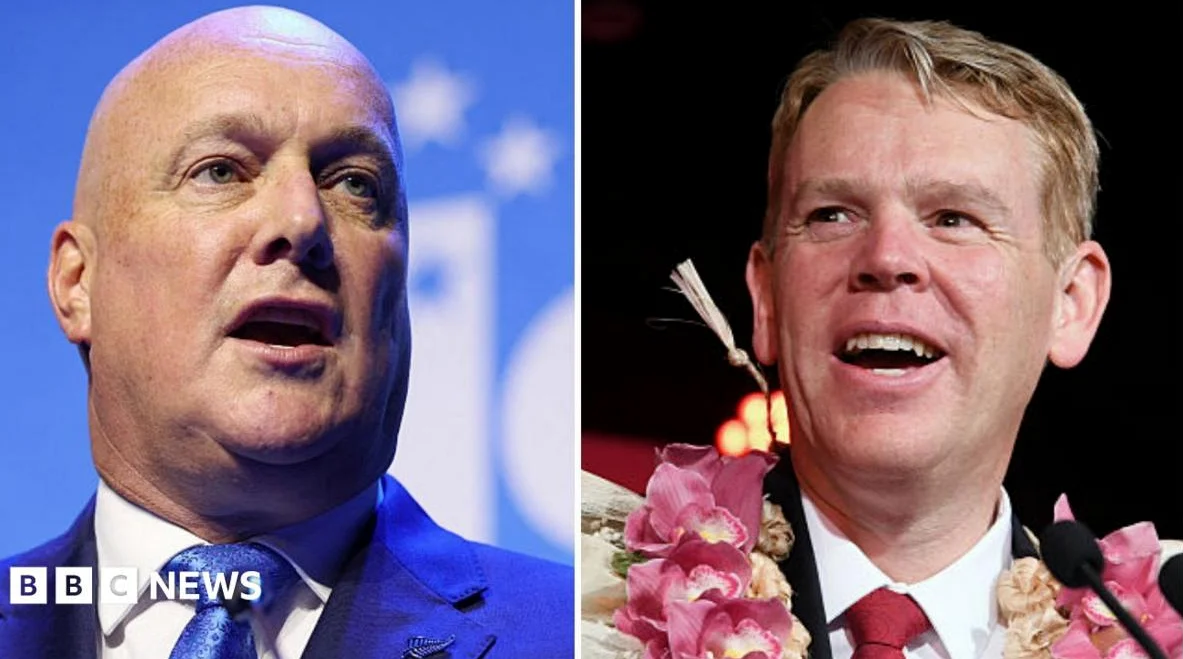
Preliminary results show Luxon’s National Party with 42 seats, but it fell 19 seats short of a majority. Combined with its coalition partners ACT (13 seats) and New Zealand First (12 seats), the right-wing bloc holds a slim lead over the left-leaning coalition led by Labour (36 seats), Greens (16), Te Pāti Māori (5), and Opportunity (7). The BBC reported that National and Labour are neck-and-neck in the party vote, with both leaders preparing for coalition negotiations.
With nearly 100% of regular votes counted, the final result will depend on special votes—overseas and out-of-constituency ballots—which historically favor left-leaning parties. In 2023, these votes helped Te Pāti Māori and the Greens gain seats. The Guardian reported that 600,000 such votes were cast in 2023, and their impact could shift the balance in November. The official result is not expected until 27 November.
National has won more electorate seats than its party vote entitles it to, which could give it an overhang of up to five extra seats under New Zealand’s mixed-member proportional (MMP) system. This would strengthen its position in negotiations, though the Guardian noted that the final count is still uncertain.
He emphasized the need for compromise and collaboration in the next parliament. The BBC reported that Hipkins showed no signs of conceding and said the people had spoken, but it would take time to interpret their message.
The centrist Opportunity Party, led by Qiulae Wong, crossed the 5% threshold to enter parliament for the first time in New Zealand’s MMP history. Wong told supporters in Auckland that the party was “stoked” and “looking very promising,” but she said the final outcome would depend on the remaining votes.
The election reflected a collapse in support for the two major parties, with the BBC noting historically low support for National and Labour. The cost of living and economic stagnation were key issues, with public trust in government eroded.
This year, with similar patterns expected, the final count could shift the balance. Professor Andrew Geddis of the University of Otago told the BBC that the Opportunity Party could act as a “wildcard” and “determine which bloc of parties is able to govern.”
Luxon announced he would run a caretaker government until the final results are confirmed on 27 November, after which meaningful negotiations could begin. He praised the effort of his party and said he would not speculate on the final outcome. The BBC reported that Luxon congratulated Hipkins on a “very hard-fought race” and emphasized the need for unity in the coming weeks.


Comments
No comments yet
Be the first to share your thoughts