

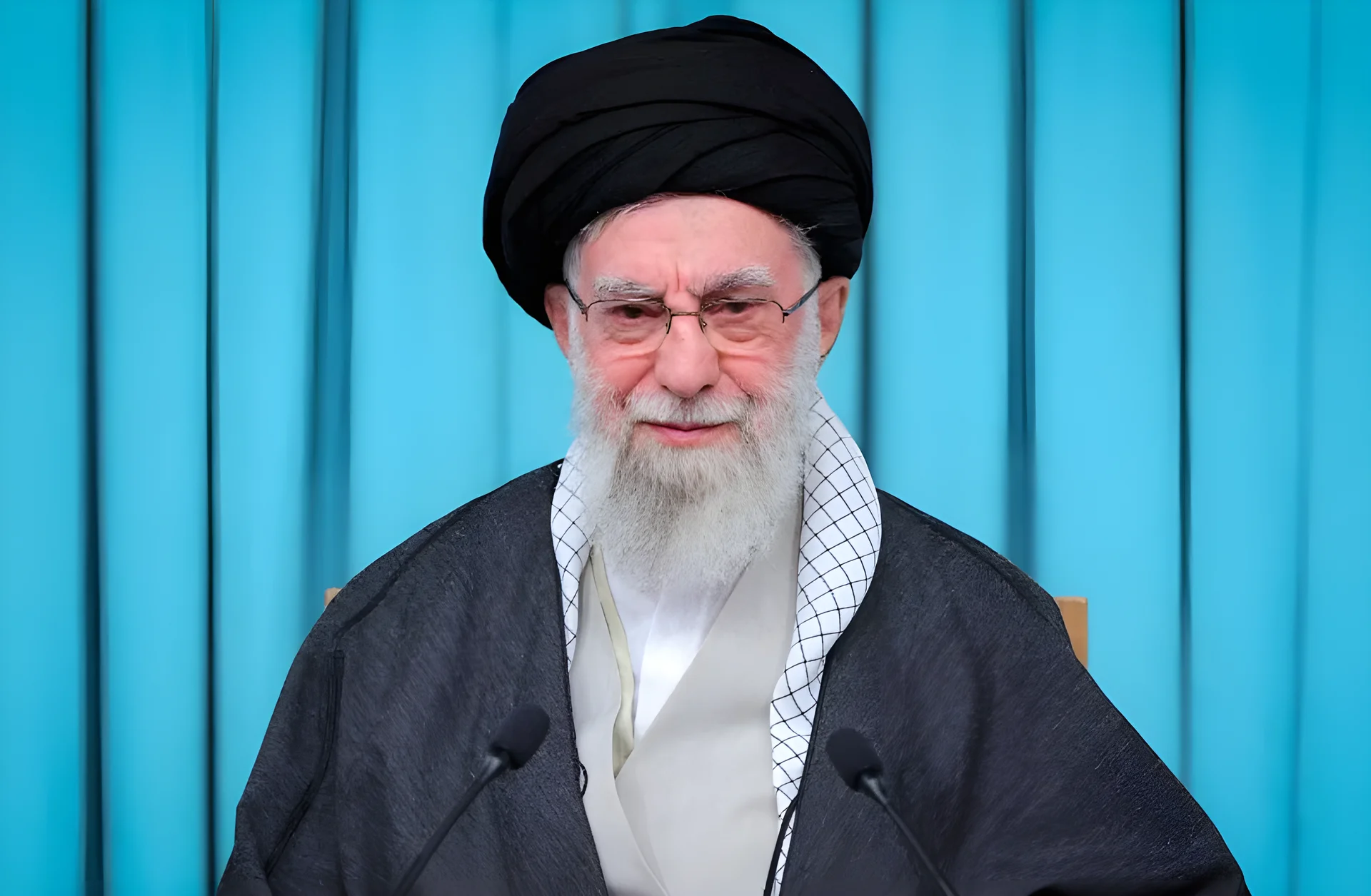
U.S. President Donald Trump claimed Iranian Supreme Leader Ayatollah Ali Khamenei was killed in a joint U.S.-Israel strike on Saturday, marking a dramatic escalation in tensions between the two nations and Iran. The attack, described as the most ambitious on Iran in decades, triggered explosions across the country, causing widespread panic and fear among the population.
Impact on Trade and Oil Markets
The attacks led to immediate disruptions in the Middle East, with Iran warning it had closed the Strait of Hormuz, a critical passage for about 20% of global oil shipments. Analysts predicted a sharp increase in oil prices, with some estimating a rise of $10 to $20 per barrel if the situation does not de-escalate. Gulf Arab oil producers, including the United Arab Emirates and Saudi Arabia, were on high alert, with airlines canceling flights in the region.
Iran, the third-largest producer in the Organization of the Petroleum Exporting Countries (OPEC), pumps about 4% of global oil supplies, and a much larger share is transported through the Strait of Hormuz. The closure of this vital waterway could have far-reaching implications for global energy markets, with traders bracing for volatility.
Reactions from Iran and the International Community
Iran called the strikes unprovoked and illegal, responding with missile attacks on Israel and several other countries, including Gulf states that host U.S. military bases. According to Iranian news agencies Tasnim and Mehr, the supreme leader was reported as “steadfast and firm in commanding the field.”
Iranian Defence Minister Amir Nasirzadeh and Major Guards commander Mohammed Pakpour were among those reportedly killed in the attacks, according to three sources familiar with the matter. Israel’s military confirmed that five other senior military commanders were also dead, including Ali Shamkhani, an adviser to Iran’s supreme leader.
Iranian media also reported that Khamenei’s daughter, grandchild, son-in-law, and daughter-in-law were among the casualties, though these claims could not be independently verified.
International reactions were mixed. Russian and Chinese envoys to the United Nations criticized the U.S. and Israel for launching the strikes while Iran was engaged in nuclear negotiations with Washington. Russia’s U.N. envoy Vasily Nebenzya called the attacks an act of betrayal, stating that Iran had been “stabbed in the back.”
UN Secretary-General Antonio Guterres called for an immediate cessation of hostilities, urging all parties to de-escalate the situation. Meanwhile, U.S. President Trump reiterated his calls for Iranians to overthrow their government, warning that the attacks would continue until the goal of “peace throughout the Middle East and indeed the world” is achieved.
Domestic Reactions and Aftermath
Across Iran, the news of Khamenei’s death reportedly sparked mixed reactions. Some citizens took to the streets in cities such as Tehran, Karaj, and Isfahan to celebrate, while others were gripped by fear and panic. A mother from Tabriz, Minou, 32, told Reuters, “We are scared, we are terrified. My children are shaking, we have nowhere to go, we will die here.”
Meanwhile, Israel’s military claimed to have conducted the largest flying mission in its history, with around 200 fighter jets hitting 500 targets in Iran, including strategic defense systems. The operation, named Operation Epic Fury by the U.S. Department of Defense, aimed to eliminate “imminent threats” from the Iranian regime.
Tragic civilian casualties were also reported, with a girls’ primary school in the southern Iranian town of Minab reportedly hit, killing 85 people. However, Reuters was unable to independently confirm these reports, and Israel’s military did not immediately respond to a request for comment.
In Israel, sirens and mobile-phone alerts sent residents rushing to air raid shelters as Iran launched a series of missile barrages, which were mostly intercepted. However, some missiles hit residential areas, including Tel Aviv, where at least 20 people were injured in a missile attack that destroyed part of a multi-storey building.
Iran also targeted key Gulf states, including the United Arab Emirates, where Dubai and Abu Dhabi were hit. In Dubai, an airport terminal was reportedly damaged in an overnight attack, and one of the city’s luxury hotel districts was also struck. In Bahrain, the U.S. Fifth Fleet service center was subjected to a missile attack, with video footage showing a thick plume of smoke rising from the area.
Qatar stated it had downed all missiles targeting the country and claimed the right to respond. Kuwait confirmed a missile attack on a U.S. military base there. In response, a senior Iranian Major Guards commander, Ebrahim Jabbari, warned that Iran had only used “scrap missiles” so far and would soon reveal previously unseen weapons.
Trump, who had been campaigning for reelection as a “peace president,” faces criticism at home from both Democrats and some Republicans, who argue that a prolonged campaign against Iran would be illegal without congressional approval. Some lawmakers have called for a vote on the matter within days.
The situation remains highly volatile, with no immediate signs of de-escalation. As the world watches, the implications of these strikes could reverberate across the globe, with potential consequences for energy markets, regional stability, and international diplomacy.






Comments
No comments yet
Be the first to share your thoughts