

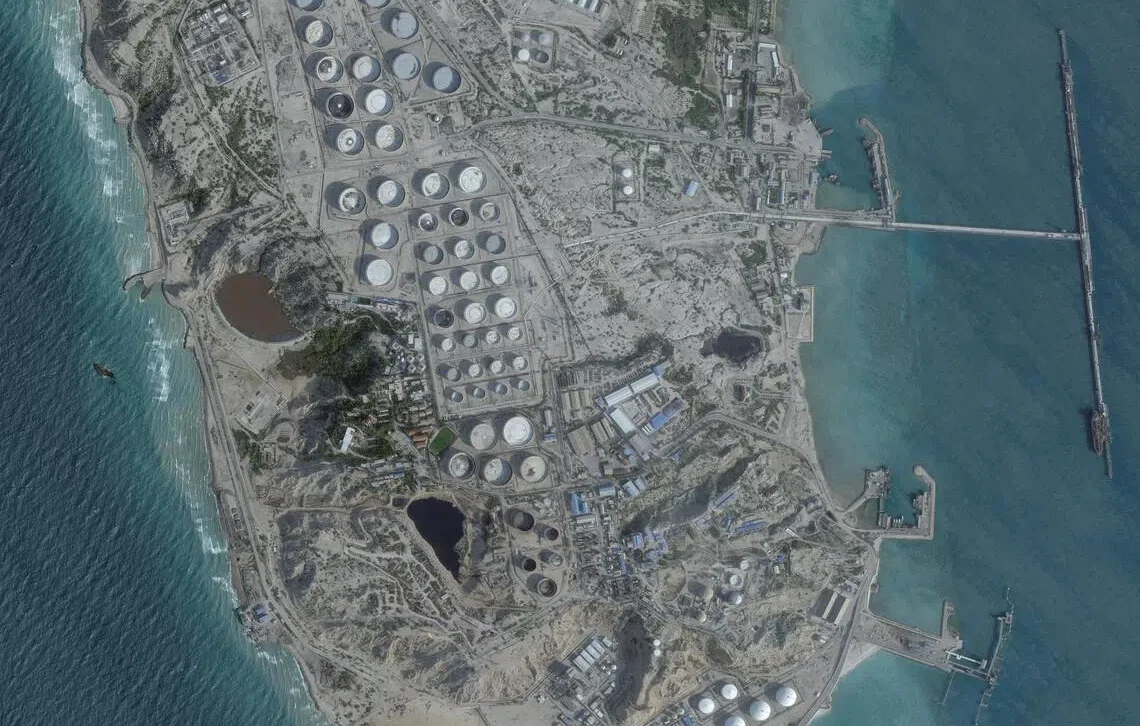
Tehran, March 14 — Iranian media reported on March 14 that no oil infrastructure was damaged in U.S. strikes on Kharg Island, a critical hub for Iran’s crude exports in the Persian Gulf. According to Fars news agency, sources on the island confirmed that the attacks did not affect oil facilities, despite President Donald Trump’s earlier threats to strike such targets.
Impact on Trade and Regional Stability
Kharg Island is a vital node in Iran’s energy exports, handling approximately 90% of the country’s crude oil shipments. The island’s strategic location, about 30 kilometers off Iran’s northern coast in the Gulf, makes it a key player in global oil trade. The confirmation that oil infrastructure was not damaged is crucial for maintaining the flow of crude oil through the Strait of Hormuz, which carries roughly 20% of the world’s seaborne oil trade.
Iran’s crude oil exports have faced challenges in recent years due to sanctions, but maintaining the integrity of Kharg Island’s facilities is essential for the country’s economic stability. The U.S. strike reportedly targeted military assets, including the Joshan naval base, the airport control tower, and the helicopter hangar of the Iran Continental Shelf Oil Company, according to Fars.
Despite the military focus of the U.S. operation, the absence of damage to oil infrastructure has provided some relief to traders and analysts who feared a potential disruption in global oil supplies. The Strait of Hormuz remains a flashpoint for regional tensions, and any disruption there could send shockwaves through global markets.
What Analysts Say About the Situation
Experts have noted that the U.S. strike appears to have been carefully calibrated to avoid hitting oil infrastructure, which aligns with broader strategic considerations. According to a recent report by the International Energy Agency, any significant disruption in the Strait of Hormuz could lead to a spike in global oil prices, potentially exceeding $100 per barrel.
Analysts suggest that the U.S. military may have chosen to focus on military targets to avoid escalating tensions further. “The U.S. is likely trying to send a message without causing an economic crisis,” said one energy analyst based in Dubai. “Striking oil facilities would have been a major escalation, and the U.S. seems to be avoiding that at this stage.”
Iran, for its part, has previously warned of targeting U.S.-linked oil infrastructure in retaliation for any perceived aggression. However, the lack of damage to Kharg Island’s facilities may reduce the likelihood of an immediate escalation in hostilities.
Despite the reported absence of damage, the situation remains highly volatile. Iran’s leadership has repeatedly emphasized its readiness to respond to any perceived threats, and the recent U.S. strikes are likely to be a point of contention in future diplomatic discussions.
Regional Dynamics and Future Implications
The U.S. strike on Kharg Island comes amid a broader geopolitical rivalry between Iran and the United States, which has seen increased military posturing in the region. The U.S. has been conducting regular naval exercises in the Gulf, and Iran has responded with its own military maneuvers, including the deployment of drones and missiles.
According to recent intelligence reports, the U.S. has been monitoring Iranian military activities closely, particularly in the Gulf. The recent strike is seen as a demonstration of U.S. military capability and a warning to Iran against further provocative actions. However, the absence of damage to oil infrastructure may have also been a strategic choice to avoid triggering a larger conflict.
Looking ahead, the situation remains uncertain. The U.S. and Iran are expected to continue their diplomatic and military standoffs, with no clear resolution in sight. Analysts predict that the next few months will be critical in determining whether tensions will escalate further or if both sides will seek a de-escalation.
The international community is also closely watching the situation, with many countries urging both Iran and the U.S. to exercise restraint. The European Union, in particular, has called for dialogue to resolve the ongoing disputes in the region.
As the world continues to rely heavily on oil exports from the Persian Gulf, the stability of Kharg Island and the surrounding waters will remain a central concern for global markets. The U.S. and Iran will need to find a way to manage their differences without risking a larger conflict that could have far-reaching consequences.






Comments
No comments yet
Be the first to share your thoughts