

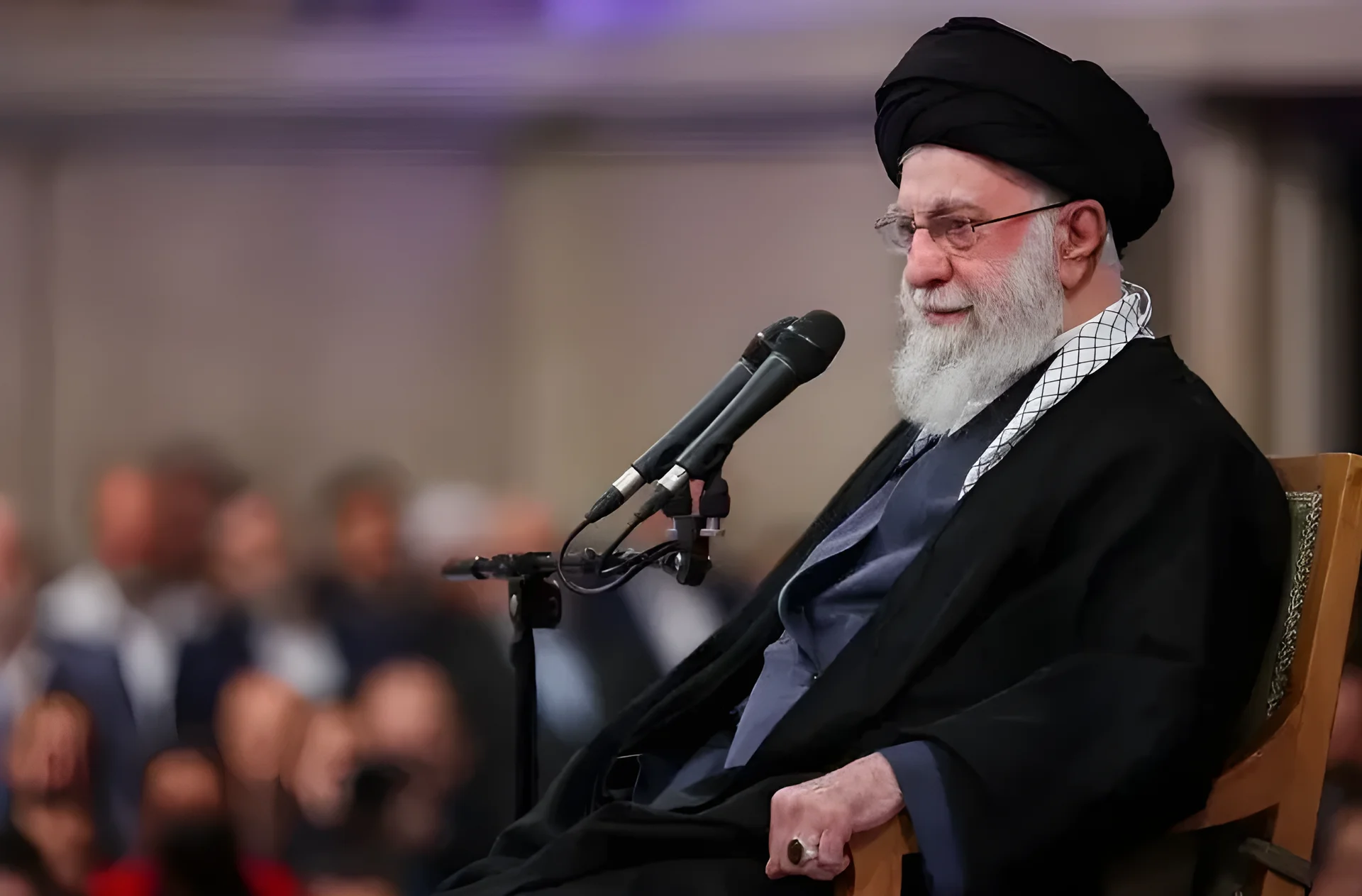
Tehran, April 2025 — The death of Iranian Supreme Leader Ayatollah Ali Khamenei in a U.S.-Israel joint strike has triggered uncertainty across Iran, as the nation now faces a leadership vacuum. With Khamenei’s passing, the country is at a key crossroads, and the selection of a new leader is expected to be a complex and politically charged process.
Power Struggle and Immediate Governance
According to reports from Iran’s state news agency IRNA, a temporary leadership council comprising the president, the judiciary chief, and a jurist from the Guardian Council will assume the duties of the supreme leader until a new figure is chosen. This interim arrangement is meant to maintain stability during a period of transition.
Iran’s Islamic Major Guard Corps (IRGC) has already begun to assert influence, with some analysts suggesting that the military may play a decisive role in the selection process. This move has raised concerns about the potential for a more hardline regime to emerge in the near future.
Opposition Rivals and Their Visions
Among the opposition figures vying for influence are Maryam Rajavi, the leader of the National Council of Resistance of Iran (NCRI), and Reza Pahlavi, the exiled crown prince of the former Shah. Both have released messages urging Iranians to remain united and have proposed different visions for the Islamic Republic’s future.
Rajavi, who has long been a vocal critic of the Iranian regime, has called for the establishment of a democratic government and the dissolution of the Islamic regime. Meanwhile, Reza Pahlavi has advocated for a return to a constitutional monarchy, emphasizing stability and national unity.
Despite their differences, both figures have sought to position themselves as viable alternatives to the current regime, though their influence is largely confined to the diaspora and foreign supporters.
U.S. Stance and Possible Candidates
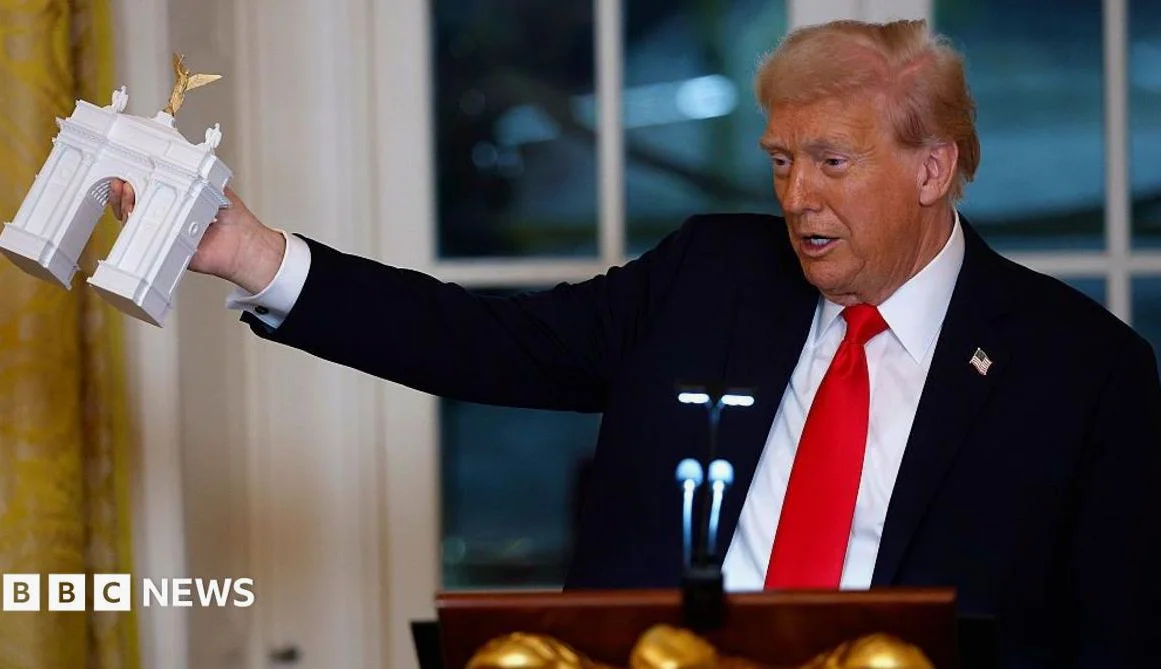
U.S. President Donald Trump, who has remained active on Truth Social, has commented on the situation, stating that there are “some good candidates” who could lead Iran. However, the U.S. has not officially endorsed any specific individual, and its approach remains cautious, focusing instead on monitoring the situation and ensuring regional stability.
A U.S. think tank recently released a list of potential candidates for the role of Iran’s next leader. Among the names mentioned were former President Mahmoud Ahmadinejad, current President Ebrahim Raisi, and several high-ranking IRGC officials. The think tank also noted that the selection process would likely be influenced by both internal power dynamics and external pressures.
The NCRI, a group formed after the 1979 Iranian Revolution, has proposed a six-month transitional administration. The group has outlined plans for holding free elections and transferring sovereignty to the people, though these plans have not been widely accepted within Iran itself.
The NCRI has positioned itself as a legitimate government-in-exile, claiming to represent the Iranian people. However, its influence is limited, and its proposals have not been recognized by the current regime or the international community.
Analysts suggest that the selection of a new leader will depend on the balance of power between the IRGC, the judiciary, and the presidency. The process could take weeks or even months, and the outcome may significantly impact Iran’s domestic and foreign policies.
The international community is closely watching the situation, as the leadership transition could have far-reaching implications for regional stability and global security. The U.S. and Israel have both expressed concerns about the potential for a more assertive regime to emerge in Iran, which could further escalate tensions in the Middle East.
As the power struggle unfolds, the question remains: who will lead Iran after Ayatollah Ali Khamenei, and what will be the consequences for the country and the world?
Comments
No comments yet
Be the first to share your thoughts