

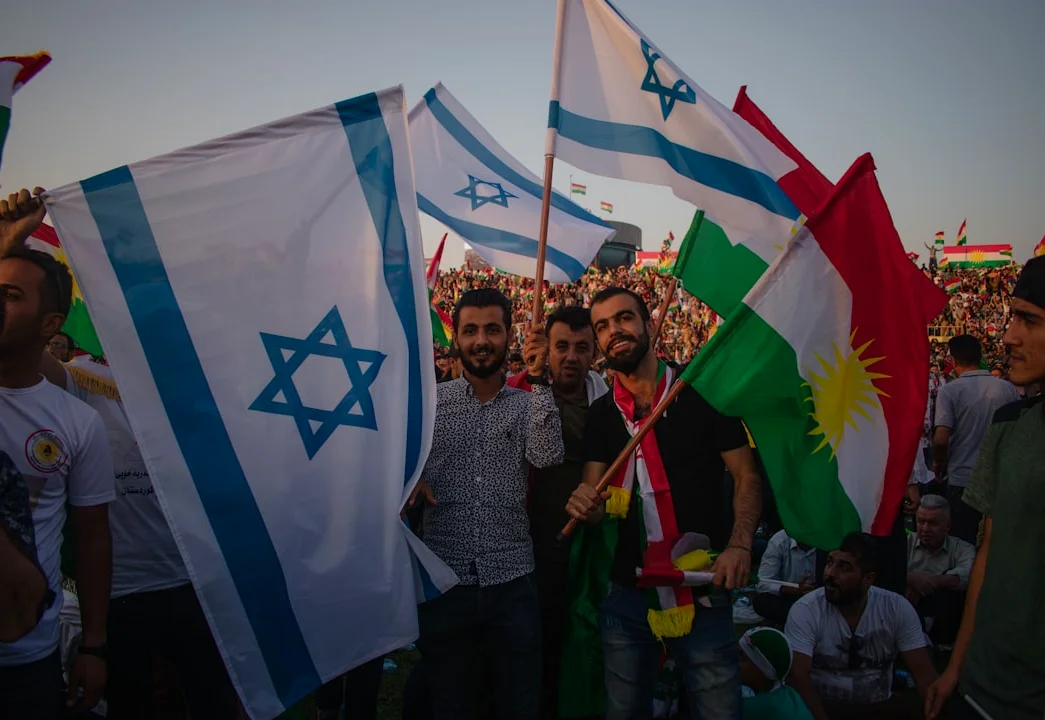
As the US-Israel conflict with Iran intensifies, Iraq is increasingly seen as the most fragile front in the broader regional struggle; With its strategic location, complex political landscape, and deep ties to both Iran and the West, Iraq faces mounting pressure from multiple directions. According to Al Jazeera. Countries in the Middle East have ramped up oil exports via pipeline to bridge the Strait of Hormuz gap, signaling a shift in energy strategies amid heightened geopolitical tensions.
Regional Tensions and Iraq’s Strategic Position
Iraq’s position between Iran and the United States, with its close ties to both, makes it a critical battleground. Al Jazeera reports that Iraqi officials have expressed growing concern over the potential spillover of the conflict into their territory, particularly with the increased activity of Iranian-backed militias and the possible involvement of US forces in the region. Meanwhile, the Times of Israel highlights a recent wave of Israeli strikes on weapons sites across Iran, which has raised fears of further escalation and indirect repercussions on neighboring countries like Iraq.
According to the Middle East Institute. Iraq’s stability is being tested by the broader US-Israeli conflict with Iran, which has weakened Iran’s influence in the region; However, this does not mean that Iraq is free from the consequences of the war. The report notes that the country remains a key transit point for Iranian military supplies and a hub for regional resistance groups, making it a potential flashpoint for further conflict.
“Iraq is in a precarious position. Caught between its desire for regional stability and the growing influence of both Iran and the United States,” said an anonymous Iraqi analyst quoted by Al Jazeera. “The country’s internal divisions and the presence of foreign-backed militias make it particularly vulnerable to external pressures.”
Internal Instability and Political Challenges
Internally, Iraq is grappling with political instability, economic hardship, and security challenges that could be exacerbated by the ongoing regional conflict. According to Al Jazeera. The country’s government has struggled to maintain control over its borders and has faced increasing pressure from both pro-Iranian and pro-Western factions — this internal divide has made it difficult for Iraq to take a unified stance on the US-Israeli conflict with Iran.
“The government in Baghdad is trying to balance its relations with both Iran and the United States, but the reality is that Iraq is becoming a battleground for external powers,” said a political analyst from the Middle East Institute. “This internal instability could lead to further fragmentation and even civil unrest if not managed carefully.”
Meanwhile, the Times of Israel reported that recent Israeli military actions in Lebanon have raised concerns about the potential for spillover into Iraq, particularly given the close ties between Lebanese Hezbollah and Iranian-backed groups in the region. This has created a ripple effect that could destabilize Iraq further.
Regional Alliances and Geopolitical Implications
As the US-Israeli conflict with Iran continues, regional alliances are shifting rapidly. According to the Middle East Institute. Countries like Saudi Arabia and the United Arab Emirates are increasingly looking to diversify their energy exports, including through pipeline routes that bypass the Strait of Hormuz. This move could have significant implications for Iraq, which is a key player in the region’s energy infrastructure.
“Iraq is a critical player in the region’s energy security, and its stability is essential for the success of any new pipeline initiatives,” said a Gulf analyst quoted by Al Jazeera. “However, the current political and security challenges in Iraq make it difficult to implement such projects without external support.”
And, the Times of Israel reported that the death of a high-ranking Iranian intelligence official in recent Israeli strikes has raised concerns about the potential for retaliatory actions. This could further complicate Iraq’s position, as it is a country that hosts a significant number of Iranian military and political figures.
What’s Next for Iraq and the Region
Looking ahead, the situation in Iraq remains highly uncertain. The country’s government is under increasing pressure to take a clear stance on the US-Israeli conflict with Iran, but internal divisions and external pressures make this a difficult task. According to Al Jazeera, the government is working to strengthen its military and security forces to prevent the conflict from spilling over into Iraqi territory.
“The next few months will be critical for Iraq’s stability,” said a military analyst quoted by the Middle East Institute. “If the conflict continues to escalate, it could have serious consequences for the country’s security and economic recovery.”
Meanwhile, the Times of Israel reported that the United States is considering new strategies to manage the conflict, including increased diplomatic engagement with regional powers. This could have implications for Iraq, which is seen as a key player in the broader Middle East security landscape.
As the situation unfolds, the role of Iraq in the US-Israeli conflict with Iran will likely remain a focal point for regional and international observers. The country’s stability will be key in determining the broader outcome of the conflict and its impact on the wider Middle East.
“Iraq is at a crossroads, and its choices in the coming months will shape the future of the region,” said a political analyst from the Middle East Institute. “The country must find a way to balance its interests with those of its neighbors and external powers to avoid further instability.”
Why It Matters
The situation in Iraq is a critical indicator of the broader US-Israeli conflict with Iran. As the most fragile front in the region, Iraq’s stability could have far-reaching consequences for the Middle East. The country’s internal divisions, external pressures, and strategic position make it a key player in the ongoing geopolitical struggle. If Iraq’s situation deteriorates, it could lead to further regional instability, economic disruption, and even a wider conflict that involves multiple regional powers.
“The stakes are high for Iraq, and the world is watching closely,” said an international observer quoted by Al Jazeera. “The country’s future will depend on how it handles the complex web of regional and international interests.”
As the US-Israeli conflict with Iran continues, the situation in Iraq will remain a focal point for regional and international actors. The country’s government will need to take decisive steps to manage internal divisions and external pressures to prevent further instability. Meanwhile, regional powers like Saudi Arabia and the United Arab Emirates will likely continue to play a key role in shaping the future of the conflict, with potential implications for Iraq’s position in the region.
“The coming months will be central for Iraq’s stability and its role in the broader conflict,” said a military analyst quoted by the Middle East Institute. “The country’s ability to manage its internal and external challenges will determine the future of the region.”






Comments
No comments yet
Be the first to share your thoughts