

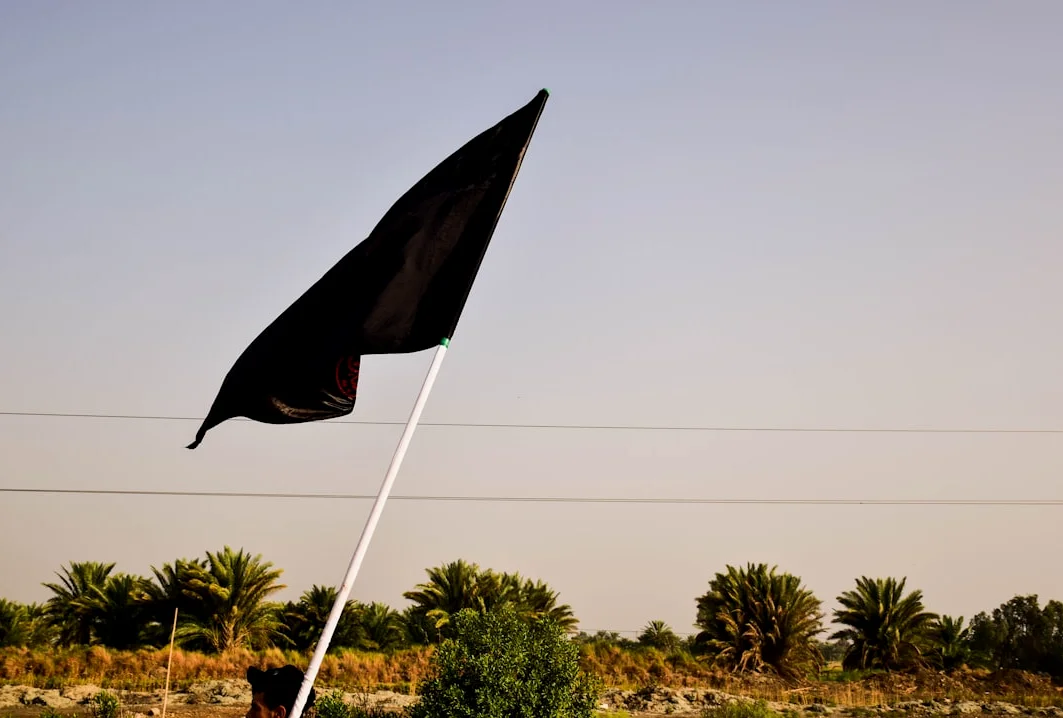
As tensions in the Middle East escalate, Iraq is increasingly under pressure to distance itself from Iran-aligned militias, which have launched attacks across the Gulf. The strikes have sparked concern among Arab nations, with some warning that Iraq could risk its regional ties if it does not take decisive action to curb these groups. Reports from multiple sources indicate that the situation is becoming more complex, with varying perspectives from Gulf states and international actors.
Iranian Strikes and Regional Reactions
A Kuwaiti power and desalination plant was struck in an Iranian attack, according to reports from thenationalnews.com. The attack reportedly killed one Indian worker, though operations at the facility remain stable, but this incident highlights the growing threat posed by Iranian-backed groups to Gulf infrastructure, a concern that has been echoed by officials across the region.
According to Al Jazeera. The attacks have not only targeted Gulf nations but have also extended to Lebanon, where a Lebanese soldier was killed in an Israeli attack; Hezbollah, a Iran-aligned group, has reportedly targeted the port of Haifa in response. These actions have raised alarms among Arab states, with Egypt’s president reportedly urging Donald Trump to halt the Gulf war, stating that ‘nobody else can’ stop it.
Spain has also taken a stance. Closing its airspace to US planes involved in the conflict with Iran, as reported by Al Jazeera. This move highlights the growing international concern over the escalating situation in the region and the potential for further escalation.
Iraq’s Role and Regional Concerns
Iraq’s position in the region is increasingly precarious as it is seen as a potential host for Iran-aligned militias. According to thenationalnews.com. Kuwaiti officials have warned that Iraq must rein in these groups or risk being isolated from its Arab neighbors. This sentiment is shared by several Gulf states, who are wary of Iraq’s growing ties with Iran.
Al Jazeera reports that the attacks have had a direct impact on regional stability, with some Arab nations expressing concern over Iraq’s ability to control the situation. Officials from several Gulf states have urged Baghdad to take stronger measures to prevent further attacks, emphasizing the importance of maintaining good relations with Arab neighbors.
According to sources from the Middle East Institute, the situation is further complicated by the weakening of Iran itself. With US-Israeli military strikes and the death of former Supreme Leader Ayatollah Ali Khamenei, Iran’s influence in the region has been significantly reduced — However, this has not stopped Iran-aligned groups from continuing their attacks, which are now seen as a threat to regional stability.
Lebanon’s Stability and US Engagement
The situation in Lebanon has also raised concerns about the broader stability of the region. As reported by the Middle East Institute, Israel’s military campaign in Lebanon and the status of Hezbollah, Iran’s decades-long proxy partner, are critical issues that could have far-reaching consequences. The involvement of Hezbollah in recent attacks has drawn attention to the need for greater US engagement in the region.
According to analysts. The US has a key role to play in ensuring regional stability, particularly in Lebanon — With the US military campaign against Iran entering its fourth week, the need for clearer communication from the White House has become more pressing. As noted by former US commander General Joseph Votel, better coordination between the White House and regional allies could help win public support for the ongoing campaign.
Lebanese officials have expressed concerns over the potential for further escalation, with some warning that the situation could spiral out of control if the US does not increase its involvement. The instability in Lebanon is not only a concern for the country itself but also for the broader Middle East, where the balance of power is already shifting.
What’s Next for Iraq and the Region
The future of Iraq’s relationship with its Arab neighbors will depend on its ability to manage the situation with Iran-aligned militias. If Baghdad fails to take decisive action, it risks further isolation from the Gulf states, which could have serious implications for the country’s regional standing.
According to thenationalnews.com, Iraqi officials are under pressure to act swiftly to prevent further attacks and to reassure their Arab neighbors that they are committed to maintaining regional stability. This includes taking steps to disarm or control the militias operating within Iraq’s borders.
Meanwhile, the international community is closely watching the situation, with some calling for increased diplomatic efforts to de-escalate tensions. The US, in particular, is seen as a key player in determining the future trajectory of the conflict in the region.
As the situation unfolds, it is clear that the stakes are high. The actions taken by Iraq and its neighbors will have a significant impact on the future of the Middle East. With the region already on edge, the need for a coordinated and effective response is more urgent than ever.
Why It Matters
The ongoing conflict involving Iran-aligned groups and Gulf nations has far-reaching implications for regional stability. The attacks have not only targeted infrastructure but have also raised concerns about the potential for further escalation. The situation in Iraq is particularly critical, as the country’s role in the region could determine the outcome of the broader conflict.
As reported by Al Jazeera, the attacks have already had a tangible impact on regional relationships, with some Arab states expressing concern over Iraq’s ability to manage the situation. The need for a coordinated response from all those involved is becoming increasingly apparent, as the region faces a complex and evolving security landscape.
With the weakening of Iran and the growing influence of other regional players, the situation in the Middle East is ready for further change. The actions taken by Iraq and its neighbors will play a major role in shaping the future of the region, making it imperative for all parties involved to work towards a peaceful resolution.






Comments
No comments yet
Be the first to share your thoughts