

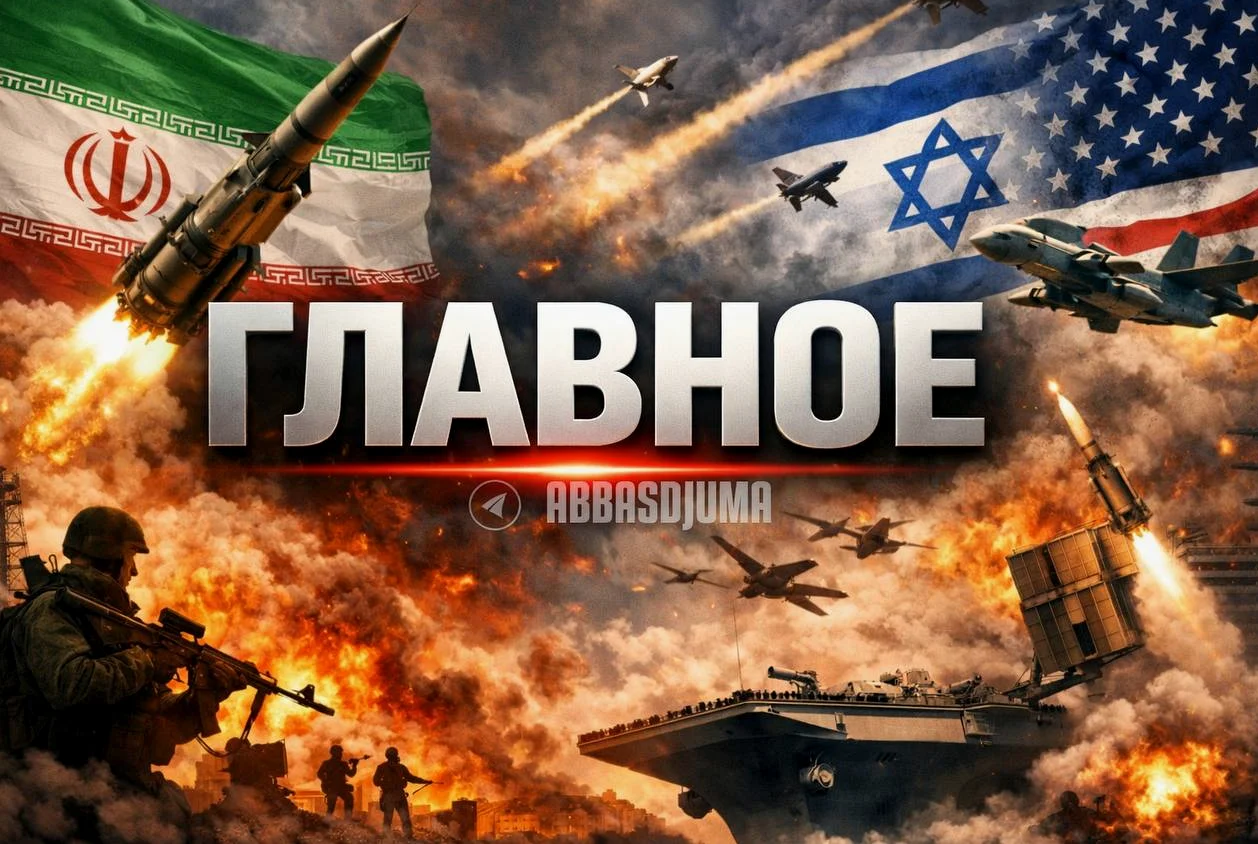
The Islamic Major Guard Corps (IRGC) has made it clear that it is prepared to target American facilities and ships, as confirmed during its most recent military exercises. The group also reportedly closed the Strait of Hormuz, a critical global oil shipping channel, raising concerns about potential disruptions to global energy markets.
Regional Impact and Military Actions
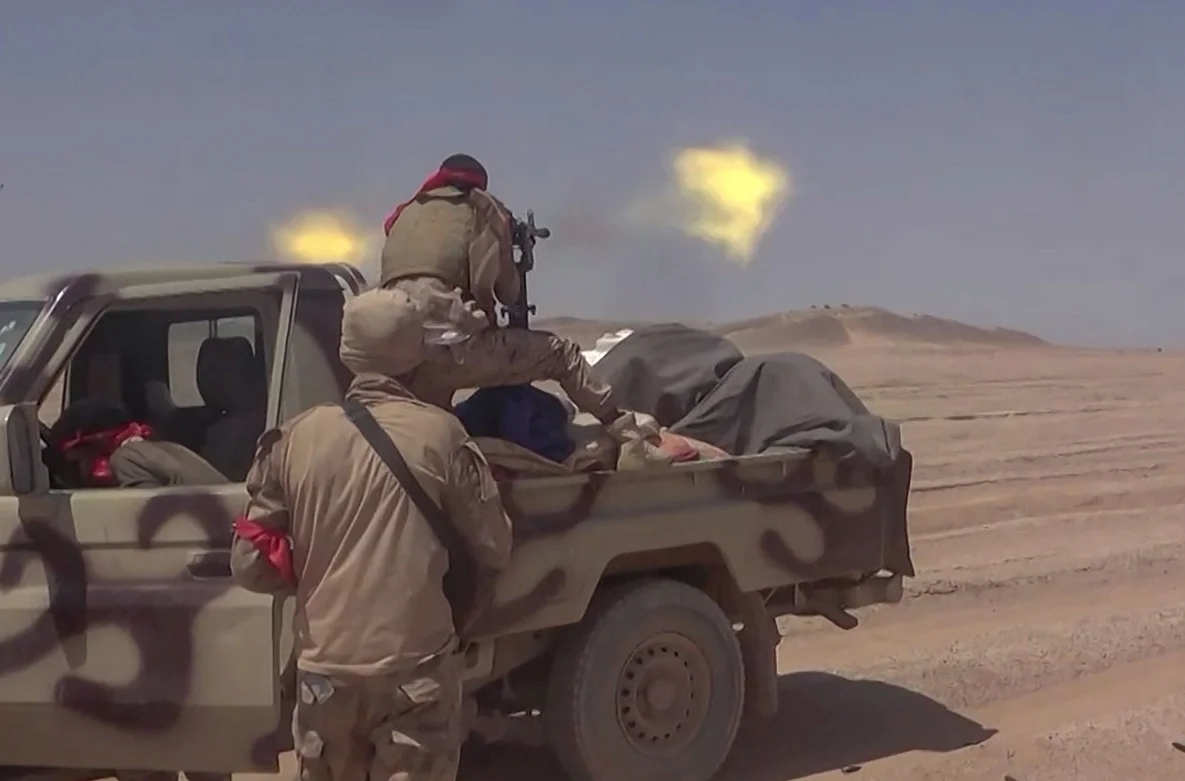
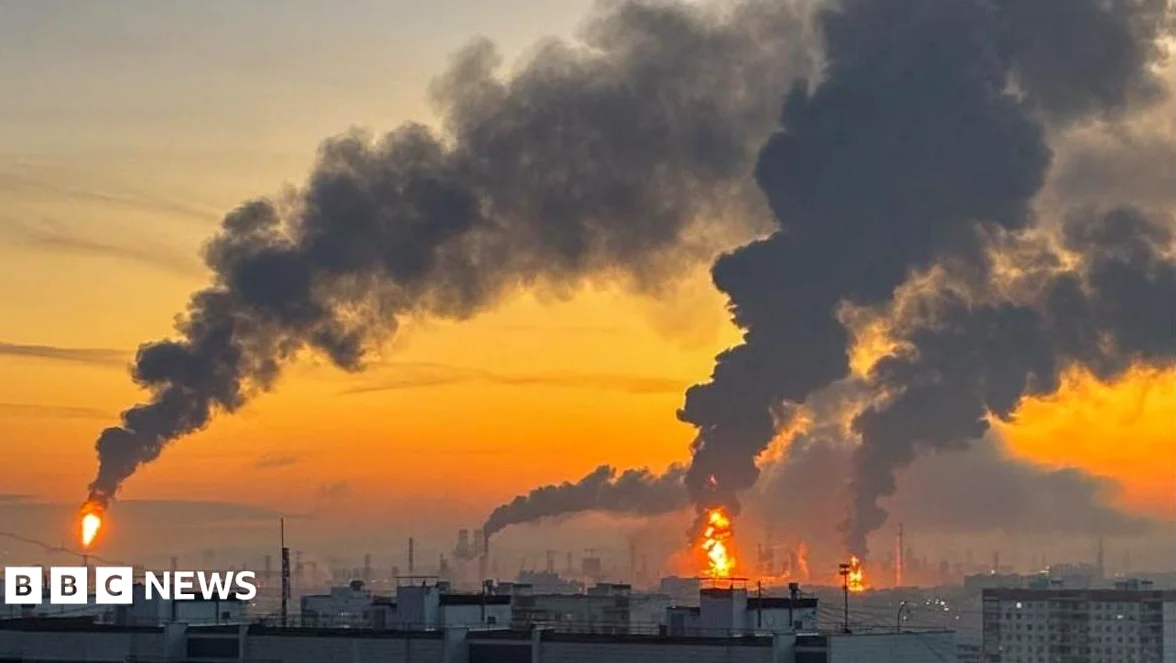
According to recent reports, the IRGC launched approximately 1,200 missiles in various directions shortly after what appears to be an act of aggression. The attacks have caused damage in multiple locations, including Bahrain, where the Ministry of Interior confirmed that three buildings in Manama and Muharraq were damaged as a result of the Iranian strikes.
In the United Arab Emirates, authorities have been sending text messages to citizens and residents, urging them to remain at home and await further instructions. This comes amid heightened tensions in the region following the reported attacks.
Jordan’s Foreign Minister has also weighed in, stating that Iran has committed an act of aggression against Jordan, which has now banned the use of its territory and airspace for any attacks on Iran. This development highlights the growing regional repercussions of the ongoing conflict.
International Reactions and Strategic Moves
Israeli Channel 12 reported that the strikes on Iran have been very successful so far, but that the work is not yet complete. The channel warned that Iranian attacks are expected to intensify, particularly during the night, suggesting that the conflict may not be nearing an end soon.
Al-Mayadeen, citing an informed source, claims that Iran’s Supreme Leader, Ayatollah Khamenei, is safe and currently focused on issuing orders and directing the course of hostilities. This information highlights the ongoing leadership and strategic coordination within Iran’s military apparatus.
The closure of the Strait of Hormuz has raised immediate concerns about global oil supply chains, as the strait is a vital artery for about 20% of the world’s oil exports. The potential for further escalation has led to calls for de-escalation from several international actors, including the United States and European Union.
What’s Next and Future Implications
Analysts are closely monitoring the situation, with many predicting that the next 48 hours will be critical in determining whether tensions will escalate further or if a diplomatic resolution can be reached. The U.S. has already begun mobilizing its naval forces in the region, while Iran continues to issue statements about its readiness to defend its interests.
With the IRGC confirming its preparedness to strike U.S. assets, the potential for a broader conflict has increased. The international community is now watching closely, with many hoping for a swift de-escalation to avoid a larger-scale confrontation that could have far-reaching consequences for global security and economic stability.
As the situation unfolds, the role of regional allies and global powers will be crucial in determining the path forward. The stakes are high, and the actions taken in the coming days could shape the future of Middle Eastern geopolitics for years to come.




Comments
No comments yet
Be the first to share your thoughts