


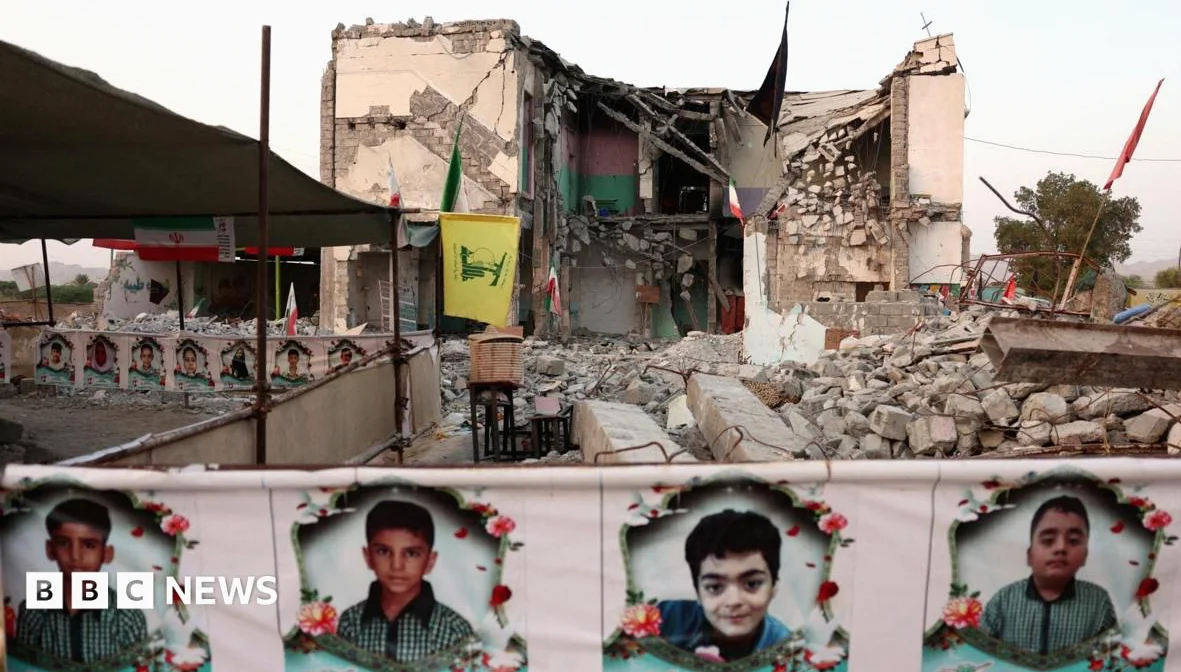
Israel and Iran have taken a dramatic step in their long-standing conflict, with Israel conducting airstrikes inside Iran and Iran launching missiles and drones toward Israel, as well as striking U.S. military bases in the Gulf. The rapid escalation has sent shockwaves across the Middle East, with explosions reported in multiple Gulf cities and air-raid sirens sounding in Israel.
Escalation from Indirect to Direct
The Israeli attack inside Iran marks a significant shift from the previous pattern of indirect conflict. For years, Israel had limited its operations to strikes in Syria or covert actions within Iran. This time, the Israeli government, with U.S. support, targeted sites in Tehran and other sensitive locations, signaling a willingness to take greater risks.
In response, Iran launched “Operation True Promise 4,” a multi-wave attack involving missiles and drones aimed at Israel and U.S. bases in Bahrain and Qatar. The operation, named to suggest a step-by-step escalation, indicates that Tehran is moving beyond verbal warnings to direct military action.
Risks of Regional Spillover
The situation has raised concerns that the conflict could spread beyond the two main adversaries. Israeli forces have also intensified attacks in southern Lebanon, likely to prevent Iran-backed Hezbollah from opening a northern front. If Hezbollah becomes directly involved, the conflict could become a two-front war, with Israel facing pressure from both the north and the south.
The involvement of other regional actors, such as groups in Iraq or Yemen, could further complicate the situation, turning the conflict into a multi-theatre engagement. This scenario would significantly increase the risk of broader regional escalation.
Gulf States Caught in the Crossfire
Gulf countries, including Bahrain, Kuwait, and the United Arab Emirates, are now at the center of the crisis. The targeting of U.S. military bases in Bahrain and Qatar, along with explosions in cities like Abu Dhabi, Dubai, Doha, Riyadh, and Kuwait, has forced Gulf states to reassess their security posture.
The UAE partially closed its airspace, a precautionary measure that carries symbolic weight. It signals that the Gulf is no longer just a logistical hub for global powers but could become a potential battlefield. This has placed Gulf governments in a delicate position, as they maintain close ties with the United States while also seeking cautious engagement with Iran.
The economic stakes are equally high. The Gulf accounts for a large share of global oil production, and any disruption to the Strait of Hormuz or oil infrastructure could send oil prices soaring. If prices rise above $120 a barrel, the impact on global fuel prices, inflation in Europe and Asia, and energy-importing countries like Egypt could be immediate and severe.
For Egypt, a sharp increase in oil prices would directly affect its import bill, especially as the country balances its budget on the edge. Higher energy costs could also lead to increased domestic prices and inflation, compounding existing economic challenges.
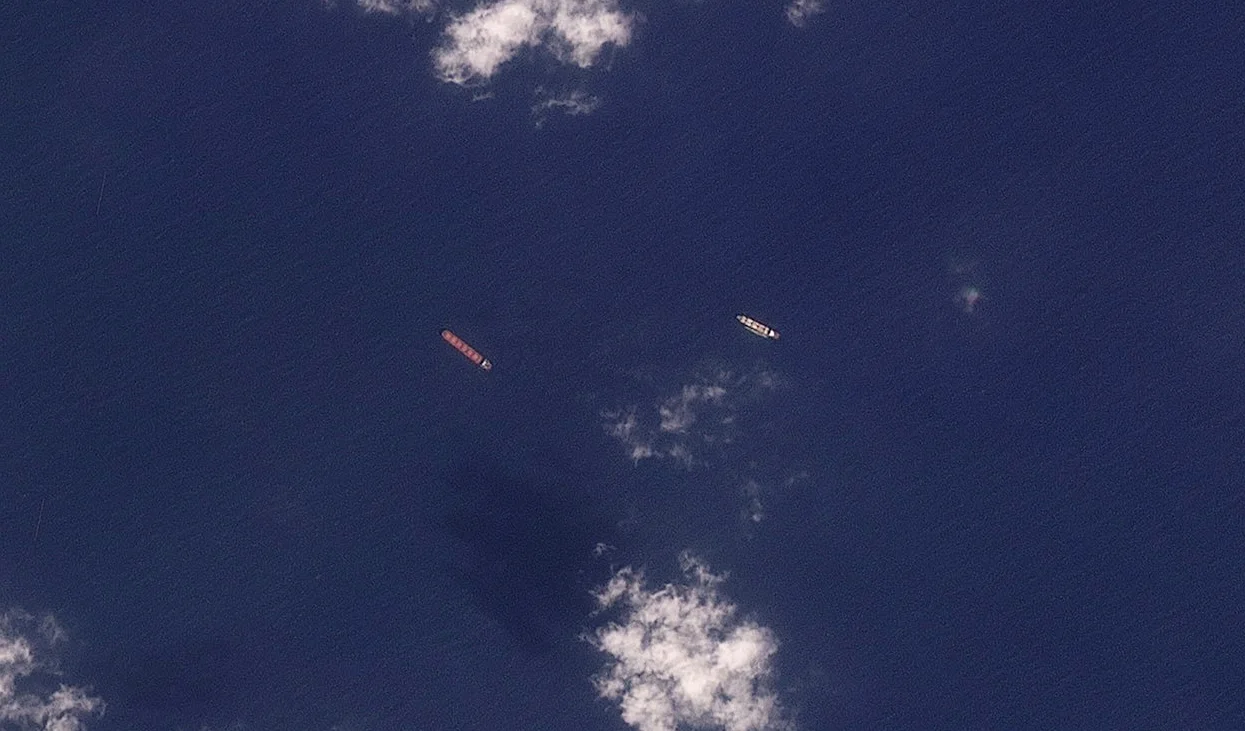
Disruptions to shipping lanes in the Gulf or Red Sea could further impact global trade, potentially affecting revenues from the Suez Canal. The risk of a prolonged escalation remains, with global markets likely to move toward safe-haven assets like gold and the U.S. dollar during the crisis.
The coming days could unfold along one of four possible paths: limited containment, slow escalation, regional spillover, or direct U.S. involvement. Each scenario carries different implications for the region and the world.
If the situation remains contained, regional and international mediators may step in to de-escalate tensions. However, if the conflict spreads and involves more actors, the risk of a full-scale war increases significantly.
As the Middle East stands at a critical crossroads, the actions of Israel, Iran, and their allies will determine whether this crisis leads to a broader war or is managed through diplomatic means.


Comments
No comments yet
Be the first to share your thoughts