

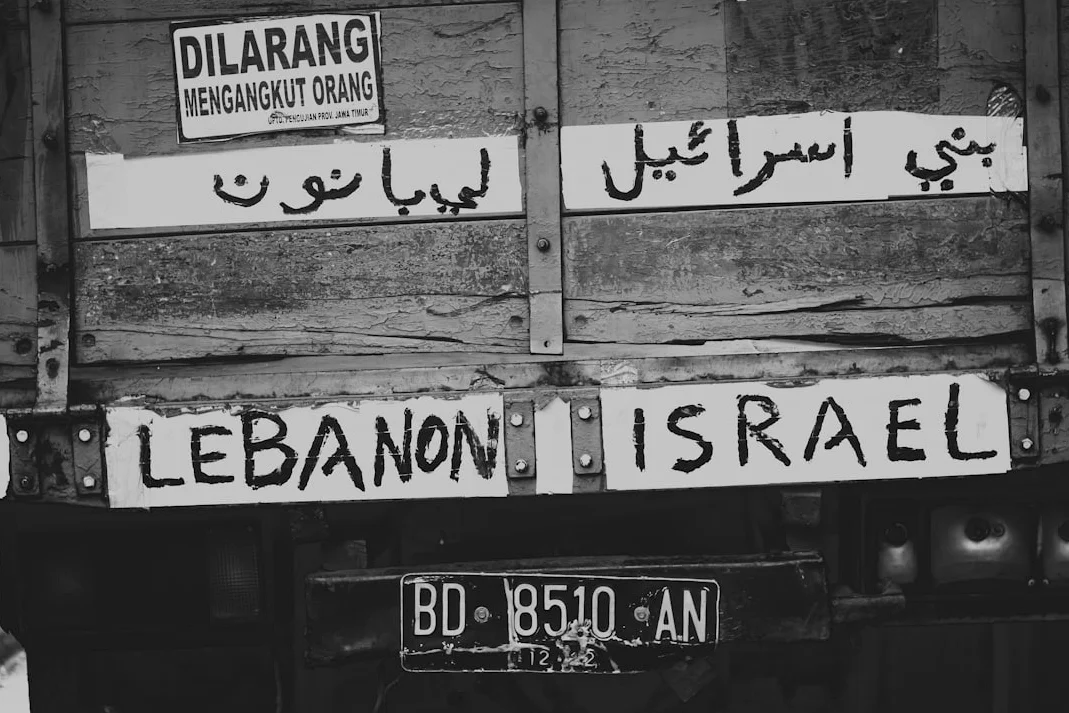
Israeli forces have intensified their military operations in southern Lebanon, marking a significant escalation in the ongoing conflict between Israel and Hezbollah. According to Al Jazeera. Israel has deployed more troops into the region, expanding its ground invasion as part of a broader military campaign against Hezbollah; the expansion has raised concerns among regional actors and international observers, who warn that the situation could further destabilize an already volatile region.
Lebanon’s Prime Minister Condemns Israeli Actions
Lebanon’s Prime Minister. Najib Mikati. Has condemned Israel’s military actions. Stating that they threaten Lebanese sovereignty and violate international law. In a statement. Mikati warned that the continued Israeli incursions into southern Lebanon risk escalating the conflict and could have serious repercussions for the region. “These actions are not only illegal but also a direct threat to the territorial integrity of Lebanon,” he said, according to Al Jazeera.
The Lebanese government has called for an immediate cessation of hostilities and for Israel to withdraw its forces from Lebanese territory. However, Israeli officials have dismissed these calls, asserting that their military operations are a necessary response to Hezbollah’s continued attacks and rocket fire from southern Lebanon.
Hezbollah, for its part, has vowed to continue its resistance against Israeli forces — the group’s chief, Hassan Nasrallah, urged Lebanese citizens to remain united and avoid any dialogue with Israel, according to Al Jazeera. “We must not engage in talks with Israel, as their goal is to normalize the occupation and further entrench their military presence in our territory,” Nasrallah said.
Regional Reactions and Escalation Concerns
Regional powers have expressed concern over the ongoing conflict, with some warning of potential wider regional implications. According to reports from Augsburger Allgemeine and WELT, the situation has drawn attention from European and Middle Eastern leaders, who are monitoring the situation closely. The expansion of the Israeli ground invasion has raised fears that the conflict could spill over into neighboring countries, particularly Syria and Jordan.
The United States has been closely involved in the region, with reports indicating that U.S. officials are considering the deployment of additional troops to the Middle East. This move comes amid growing concerns over the potential for further escalation between Israel and its regional adversaries; Meanwhile, the U.S. has also been engaged in diplomatic efforts to de-escalate tensions, particularly with Iran, which has been a key backer of Hezbollah.
Iranian officials have warned that any further Israeli aggression in Lebanon could lead to a broader regional conflict. In a recent statement, Iran’s foreign ministry reiterated its support for Hezbollah and condemned Israel’s actions as an act of aggression. “The international community must hold Israel accountable for its actions and prevent further escalation,” the statement said.
Local Impact and Civilian Concerns
The conflict has had a profound impact on civilians in southern Lebanon, with many residents forced to flee their homes due to the ongoing violence. According to reports from Augsburger Allgemeine, smoke and gunfire have been reported near the Israel-Lebanon border, with clashes between Israeli forces and Hezbollah fighters causing widespread destruction. Local residents have described the situation as chaotic, with many fearing for their safety.
In some areas, entire communities have been displaced due to the fighting. Schools, hospitals, and other essential infrastructure have been damaged or destroyed, leaving many without access to basic services. Humanitarian organizations have called for immediate access to affected areas to provide aid to those in need.
Local Lebanese media have highlighted the growing fear among civilians, with many expressing concerns about the long-term consequences of the conflict. “We are living in a nightmare,” one resident told a local news outlet. “Every day, we wake up to the sound of explosions and the fear of what might happen next.”
International Law and Legal Consequences
The international community has been closely watching the situation, with several organizations calling for an immediate ceasefire and a return to diplomatic negotiations. The United Nations has expressed concern over the potential for a wider regional conflict and has urged all parties to exercise restraint.
Lebanon has filed a formal complaint with the United Nations Security Council, accusing Israel of violating international law through its military operations in southern Lebanon. The complaint highlights the potential for further legal consequences, including possible sanctions against Israel if the situation continues to escalate.
Legal experts have warned that the ongoing conflict could lead to international legal action against Israel, particularly if the situation is deemed to violate international humanitarian law. “The use of force in Lebanese territory without prior warning or justification could constitute an act of aggression under international law,” said one legal analyst.
What’s Next and Why It Matters
The next phase of the conflict will likely depend on the actions of both Israel and Hezbollah, as well as the response of the international community. Analysts warn that further military escalation could lead to a broader regional conflict, with potentially devastating consequences for the Middle East.
For Lebanon, the continued Israeli military presence in southern Lebanon poses a significant challenge to the country’s stability. The conflict has already strained the Lebanese government’s ability to respond effectively, with many calling for greater international support to help stabilize the region.
The situation also has implications for global energy markets, as tensions in the region could disrupt oil and gas supplies from the Gulf. With the Strait of Hormuz already a critical oil chokepoint, any further escalation could have far-reaching economic consequences.
As the conflict continues, the international community will need to play a more active role in de-escalating tensions and finding a diplomatic solution to the crisis. The situation exposes the importance of regional cooperation and international diplomacy in preventing further violence and ensuring long-term stability in the region.






Comments
No comments yet
Be the first to share your thoughts