

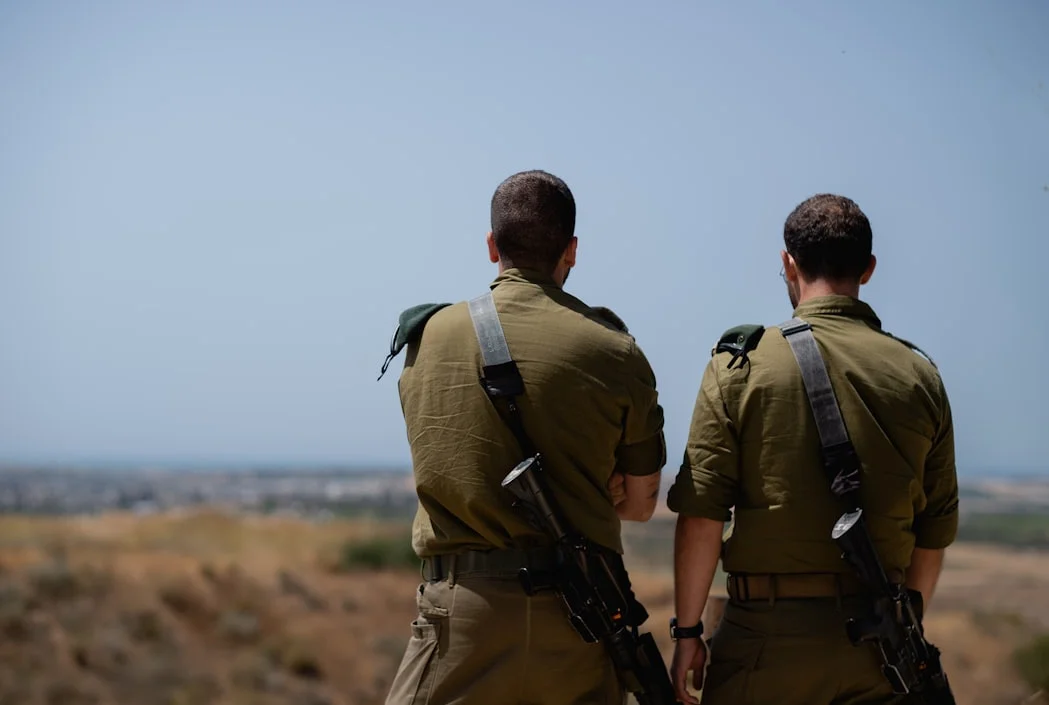
Israel has reportedly outlined a three-phase plan to take control of the Gaza Strip, according to multiple reports, marking a significant escalation in the ongoing conflict with Hamas. The plan, first detailed by El País, involves a ground invasion aimed at dismantling Hamas infrastructure and securing a lasting ceasefire. This development has triggered mass protests within Israel and resistance from within its military, as reported by Frankfurter Rundschau. The potential for a large-scale ground operation has also raised concerns in neighboring countries, particularly in Lebanon, where Israeli forces have already targeted Hezbollah command centers, as noted by tachles.ch.
Israel’s Three-Phase Offensive Strategy
According to El País, Israel’s military has detailed a three-phase plan to dismantle Hamas’s control over Gaza. The first phase would involve intensifying air strikes to weaken Hamas’s military capabilities, followed by a second phase of limited ground incursions to secure key strategic locations. The final phase would see a full-scale ground operation to take over the entire Gaza Strip. This strategy has been met with mixed reactions within Israel, with some officials supporting the move as necessary for national security, while others warn of the potential for prolonged conflict and civilian casualties.
The Frankfurter Rundschau reported that mass protests have erupted across Israel, with citizens expressing concerns over the risks of a ground invasion. The article cited internal military resistance, with some soldiers questioning the feasibility and morality of the operation. Meanwhile, Spiegel highlighted the broader regional implications of such a move, noting that Israel’s actions could further escalate tensions with Iran and its allies in the region.
Regional Reactions and Escalation
Neighboring countries have reacted strongly to the reported plans. In Lebanon, Israeli forces have already launched attacks on Hezbollah command centers, as reported by tachles.ch. The attacks, which occurred on March 12, 2026, targeted key infrastructure, leading to significant damage and displacement of civilians. Lebanese officials have warned that these actions could provoke a wider regional conflict, particularly with Iran, which has been supporting Hezbollah for years.
Iranian state media have condemned the Israeli strikes, calling them an act of aggression and a violation of international law. The Spiegel article noted that Iran’s response has been both diplomatic and military, with increased rhetoric against Israel and potential support for retaliatory strikes. Meanwhile, in Syria, the government has expressed concern over the potential for the conflict to spill over into its territory, further complicating an already fragile situation.
The Frankfurter Rundschau also reported on the internal political dynamics in Israel, where the proposed ground offensive has sparked debate among political leaders. Prime Minister Netanyahu has defended the plan as a necessary step to ensure Israel’s security, while opposition leaders have criticized it as reckless and likely to lead to greater instability in the region.
Humanitarian and Economic Concerns
The potential for a large-scale ground operation has raised significant humanitarian concerns. El País highlighted the risk of mass displacement and civilian casualties, particularly in densely populated areas of Gaza. Humanitarian organizations have warned that the situation could worsen rapidly, with limited resources and infrastructure already strained by the ongoing conflict.
Economically, the escalation could have far-reaching consequences. The Frankfurter Rundschau reported that oil prices have already begun to rise in anticipation of the potential conflict, with traders fearing a disruption in global energy markets. This could have a ripple effect on economies worldwide, particularly in Europe and the United States, where energy imports from the Middle East play a critical role.
In addition, the Spiegel article noted that the conflict could impact global trade routes, particularly in the Strait of Hormuz, where tensions between Iran and the United States have already been high. The potential for further conflict in the region could disrupt oil shipments and lead to increased volatility in global markets.
International Response and Diplomatic Efforts
The international community has responded to the reported plans with a mix of concern and calls for de-escalation. The United Nations has urged both Israel and Hamas to exercise restraint and engage in dialogue to prevent further escalation. However, the effectiveness of such diplomatic efforts remains uncertain, given the deep-seated grievances on both sides.
European Union officials have expressed worry over the potential for a wider conflict, with some calling for increased support for humanitarian efforts in Gaza. The Spiegel article noted that Germany, in particular, has been vocal about the need for a peaceful resolution to the crisis, emphasizing the importance of regional stability.
Meanwhile, the United States has taken a more cautious approach, with some officials advocating for a diplomatic solution while others have supported Israel’s right to defend itself. This divergence in U.S. policy has created uncertainty about the future direction of the conflict and the role of the international community in resolving it.
What’s Next and Why It Matters
The reported plans for a large-scale ground operation in Gaza mark a significant turning point in the conflict. If implemented, the operation could lead to a protracted war with severe humanitarian and economic consequences. The potential for regional escalation, particularly with Iran and its allies, adds another layer of complexity to the situation.
As the situation unfolds, the international community will be closely watching the developments. The actions taken by Israel, Hamas, and their regional allies will have far-reaching implications for global security and stability. The outcome of the conflict could shape the future of the Middle East for years to come, with lasting effects on regional politics, international relations, and the lives of millions of people affected by the war.






Comments
No comments yet
Be the first to share your thoughts