

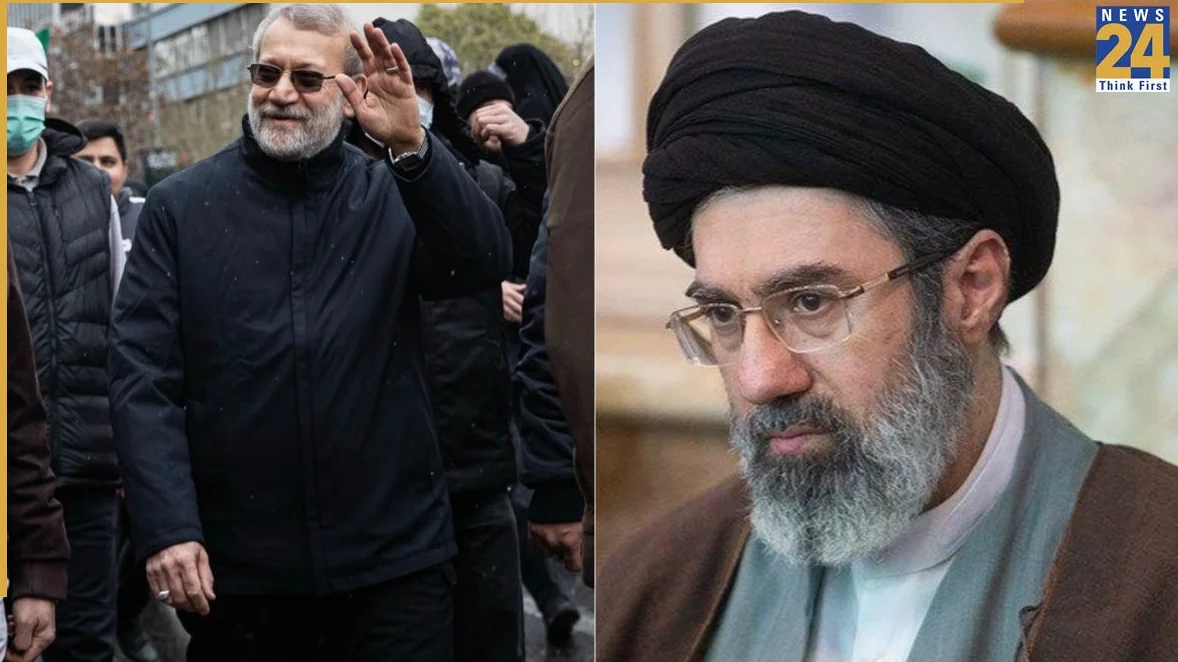
Israeli military confirms assassination of Iranian officials
Israeli forces confirmed the assassination of Ali Larijani, a senior Iranian security official, and Mojtaba Khamenei, the head of Iran’s Basij paramilitary group, in a series of targeted strikes. The operation, carried out on Tuesday night, marked a significant escalation in the ongoing conflict between Israel and Iran. According to The Jerusalem Post, the operation was confirmed after initial uncertainty about its success. Two sources provided differing assessments of the operation’s likelihood of success before the assassination was officially confirmed. The Israeli military did not immediately comment on the operation, but the confirmation of Larijani’s death has sent shockwaves through Iranian political circles.
The Islamic Major Guard Corps-affiliated Tasnim News Agency reported that petrochemical facilities in South Pars were targeted, though the extent of the damage was not yet clear. This comes amid growing tensions in the region, with reports of Israeli strikes in Lebanon and attacks on Iraqi paramilitary bases. The killing of Larijani and Khamenei is expected to have far-reaching implications for Iran’s internal political structure and its regional influence.
According to Al Jazeera, the Iranian government has downplayed the impact of Larijani’s death, with a minister stating that the killing will not destabilize the Iranian political system. However, the loss of two high-ranking officials is likely to create a power vacuum and potentially lead to internal power struggles within Iran’s leadership. The Basij, which plays a crucial role in Iran’s domestic security and military operations, has been significantly weakened by the death of its chief.
Qatar condemns Iranian attack on Ras Laffan gas facility
Qatar has strongly condemned an Iranian attack on its Ras Laffan gas facility, declaring the Iranian embassy’s military and security attaches as persona non grata. According to Al Jazeera, the attack caused significant damage to the facility, prompting Qatar to take diplomatic action against Iran. The Qatari government stated that the attack was an act of aggression and a violation of international norms. This incident has further strained relations between Iran and Gulf states, which have been increasingly aligned with Western powers in response to Iranian aggression.
The attack on Ras Laffan has raised concerns about the security of critical energy infrastructure in the Gulf region. Qatar, a major supplier of liquefied natural gas, has been a key player in regional energy markets. The damage to the facility could disrupt global energy supplies and have economic repercussions for countries dependent on Qatari gas. The Qatari government has called for an investigation into the attack and has urged international support in holding Iran accountable.
According to The Jerusalem Post, the attack on Ras Laffan coincided with reports of Israeli strikes in Lebanon, where 45 people were killed in the past two days. The Israeli military intercepted more Iranian missiles, indicating a continued escalation of hostilities in the region. The combination of these events has created a volatile situation, with multiple fronts of conflict emerging simultaneously.
Regional implications and international reactions
The assassination of Larijani and Khamenei has sparked a wave of reactions from regional and international actors. The United States, under the Trump administration, is considering deploying additional troops to the Middle East, a move that would reinforce operations in the region as the US weighs its options. According to The Jerusalem Post, this potential deployment could further escalate tensions and complicate the already volatile situation.
Meanwhile, the killing of Larijani has been met with strong condemnation from Iran’s allies, including Syria and Hezbollah. These groups have expressed solidarity with Iran and warned of potential retaliatory actions. The situation has also drawn attention from international organizations, with calls for de-escalation and dialogue to prevent further conflict. However, the effectiveness of these calls remains uncertain, given the deep-seated animosities between the involved parties.
The loss of Larijani and Khamenei is expected to have significant implications for Iran’s internal political structure. With the Basij weakened and a power vacuum emerging, the Iranian government may face challenges in maintaining stability. The potential for internal power struggles could further complicate Iran’s foreign policy and regional strategies. As the situation develops, the international community will be closely watching for any signs of de-escalation or further escalation.
What’s next in the escalating conflict
The assassination of Larijani and Khamenei, along with the attack on Qatar’s Ras Laffan gas facility, marks a new phase in the conflict between Iran and its regional adversaries. The immediate aftermath will likely involve increased military activity and potential retaliatory actions from Iran. The Iranian government may seek to bolster its security apparatus and reassure its allies in the region. However, the loss of key figures could also lead to internal divisions and uncertainty within Iran’s leadership.
The international community, particularly the United States and Gulf states, will be closely monitoring the situation. The potential deployment of additional U.S. troops to the Middle East could further inflame tensions. Meanwhile, the Qatari government’s diplomatic actions against Iran may signal a broader regional shift in alliances. The situation remains highly unpredictable, with the potential for further escalation or a new phase of conflict.
The conflict has significant implications for global energy markets and regional security. The damage to the Ras Laffan facility could disrupt liquefied natural gas supplies, affecting countries that rely on Qatari gas. Additionally, the assassination of high-ranking Iranian officials may lead to a reassessment of Iran’s military and political strategies. As the situation unfolds, the international community will need to handle the complex web of regional alliances and tensions to prevent further destabilization.
Regional and international reactions
The assassination of Larijani and Khamenei has drawn reactions from various regional and international actors. The United States, under the Trump administration, is considering deploying additional troops to the Middle East, a move that would reinforce operations in the region as the US weighs its options. According to The Jerusalem Post, this potential deployment could further escalate tensions and complicate the already volatile situation.
Meanwhile, the killing of Larijani has been met with strong condemnation from Iran’s allies, including Syria and Hezbollah. These groups have expressed solidarity with Iran and warned of potential retaliatory actions. The situation has also drawn attention from international organizations, with calls for de-escalation and dialogue to prevent further conflict. However, the effectiveness of these calls remains uncertain, given the deep-seated animosities between the involved parties.
The loss of Larijani and Khamenei is expected to have significant implications for Iran’s internal political structure. With the Basij weakened and a power vacuum emerging, the Iranian government may face challenges in maintaining stability. The potential for internal power struggles could further complicate Iran’s foreign policy and regional strategies. As the situation develops, the international community will be closely watching for any signs of de-escalation or further escalation.






Comments
No comments yet
Be the first to share your thoughts