

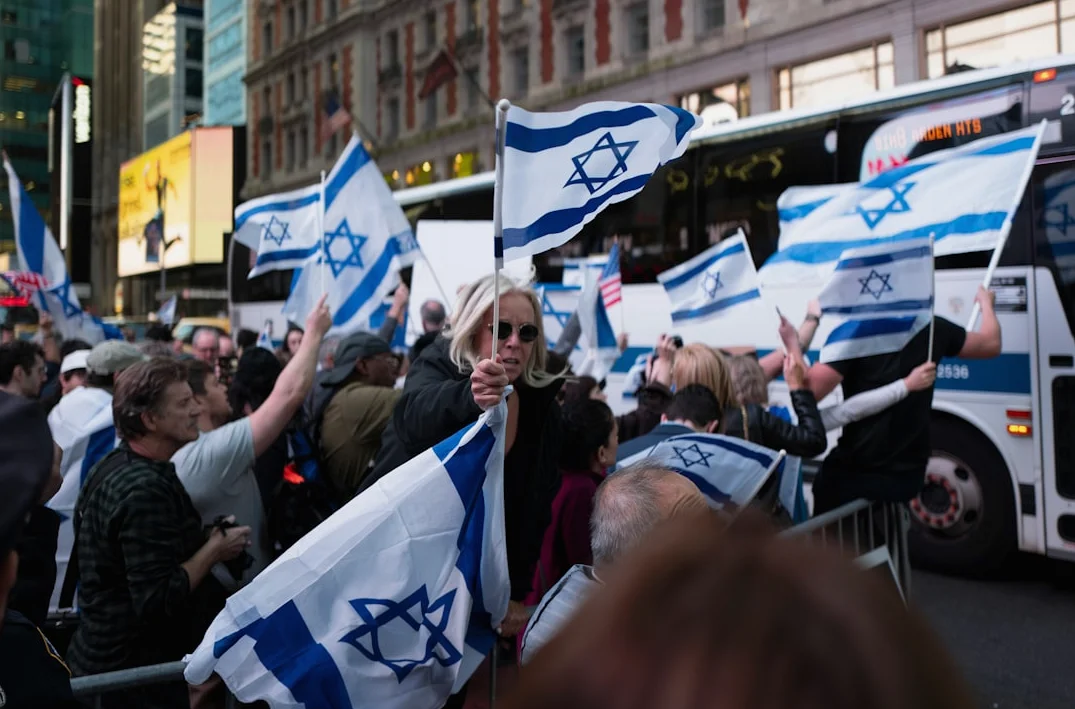
Israeli opposition leader Yair Lapid has sharply criticized the government’s approach to the ongoing conflict, calling it a ‘multi-front war without strategy’ and warning of the risks of prolonged military engagement. According to Al Jazeera. Lapid made the remarks in a speech last week, highlighting concerns about the government’s lack of a clear plan to resolve the crisis.
Domestic Political Tensions
Lapid’s criticism comes amid growing political tensions within Israel, where the government faces mounting pressure to clarify its objectives and strategy. According to Al Jazeera. Lapid argued that the government is fighting on multiple fronts—against Hamas in Gaza, Hezbollah in Lebanon, and Iran in the broader Middle East—without a coherent plan to achieve lasting peace or security.
“We are fighting a multi-front war without strategy, and that is dangerous,” Lapid said, according to Al Jazeera. “We need a plan that can bring an end to the conflict, not one that keeps us in a cycle of violence.”
These comments have sparked debate within Israeli political circles, with some supporters of the government arguing that the military actions are necessary to counter threats from Hamas, Hezbollah, and Iran. Others, including Lapid’s centrist party, have called for a more diplomatic approach and a focus on de-escalation.
International Reactions
Internationally, Lapid’s remarks have drawn mixed responses. According to Al Jazeera. European Union officials have expressed concern over the escalating conflict and urged all parties to return to the negotiating table; the EU has also called for a ceasefire to allow for humanitarian aid to reach civilians in Gaza and Lebanon.
Meanwhile, in the United States, President Donald Trump has delayed a planned attack on Iran’s energy facilities by 10 days, citing progress in negotiations, though Iran has rejected these claims. According to Al Jazeera. This delay has added uncertainty to the already complex situation in the Middle East.
“The delay in the U.S. military action shows that even the Americans are uncertain about the outcome of this war,” a senior Iranian official said, according to Al Jazeera. “This is a war without clear objectives, and it is time for all sides to consider the consequences of their actions.”
Regional Impact
The ongoing conflict has had significant regional and global implications. According to Al Jazeera. Oil prices have fluctuated as traders weigh the potential impact of further military escalation on global energy markets. In the past week, crude oil prices have risen by 4.2%, according to Reuters.
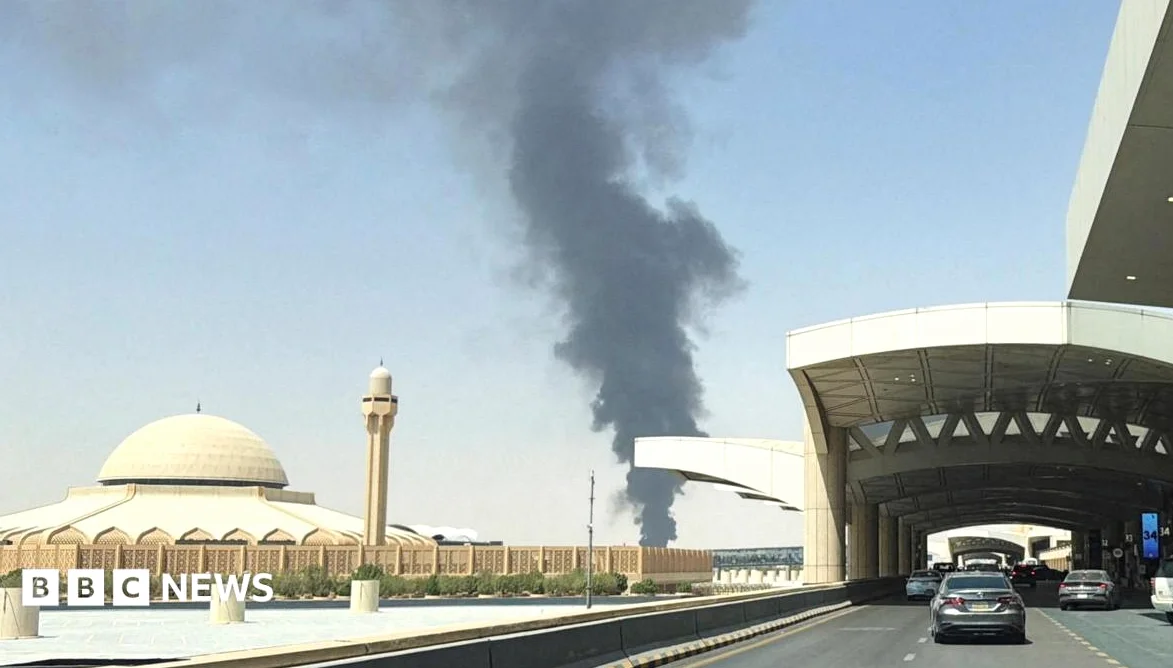
Meanwhile, in Saudi Arabia, authorities reported that six missiles were fired toward Riyadh earlier this week, though none reached their target. The Saudi military has since launched an investigation into the incident, according to Reuters.
“We are prepared for any scenario, and we will protect our citizens and infrastructure,” a Saudi defense official said, according to Reuters. “The threat from Iran and its proxies is real, and we are taking all necessary precautions.”
Economic Fallout
The conflict has also led to economic uncertainty, with global stock markets showing mixed reactions. According to Reuters, the S&P 500 index rose 0.7% on Monday, but the Nasdaq fell 0.3% as investors remain cautious about the long-term impact of the war.
“The situation in the Middle East is a major concern for global markets,” said a financial analyst at Goldman Sachs, according to Reuters. “Investors are closely watching developments and are prepared to react to any further escalation.”
In addition, the conflict has disrupted trade routes and supply chains, particularly in the Mediterranean and the Red Sea. According to Reuters, shipping companies have reported delays in deliveries and increased insurance costs for vessels passing through the region.
Local Reactions and Humanitarian Concerns
Locally, the conflict has had a profound impact on civilians. In Gaza, according to Reuters, over 200,000 people have been displaced due to the ongoing violence, with many seeking refuge in crowded shelters. Humanitarian organizations have warned that the situation is deteriorating rapidly.
“The humanitarian crisis in Gaza is worsening by the day,” said a UN official, according to Reuters. “We are struggling to provide basic necessities to those in need, and the situation is becoming increasingly dire.”
In Lebanon, the conflict has also led to increased civilian casualties. According to Al Jazeera, at least 150 people have been killed in the past two weeks, with many more injured. The Lebanese government has called for an immediate ceasefire to prevent further loss of life.
With the situation in the Middle East continuing to evolve, the next steps remain uncertain. According to Al Jazeera, both Israeli and Iranian officials are expected to hold further talks in the coming days, though it is unclear whether these discussions will lead to a de-escalation of hostilities.
Meanwhile, the international community is closely watching the situation, with the United Nations preparing to hold emergency sessions to address the growing crisis. According to Reuters, the UN Security Council is expected to meet later this week to discuss the conflict and its potential impact on global stability.
“The world cannot afford another war in the Middle East,” said a senior UN official, according to Reuters. “We must find a diplomatic solution before it is too late.”



Comments
No comments yet
Be the first to share your thoughts