

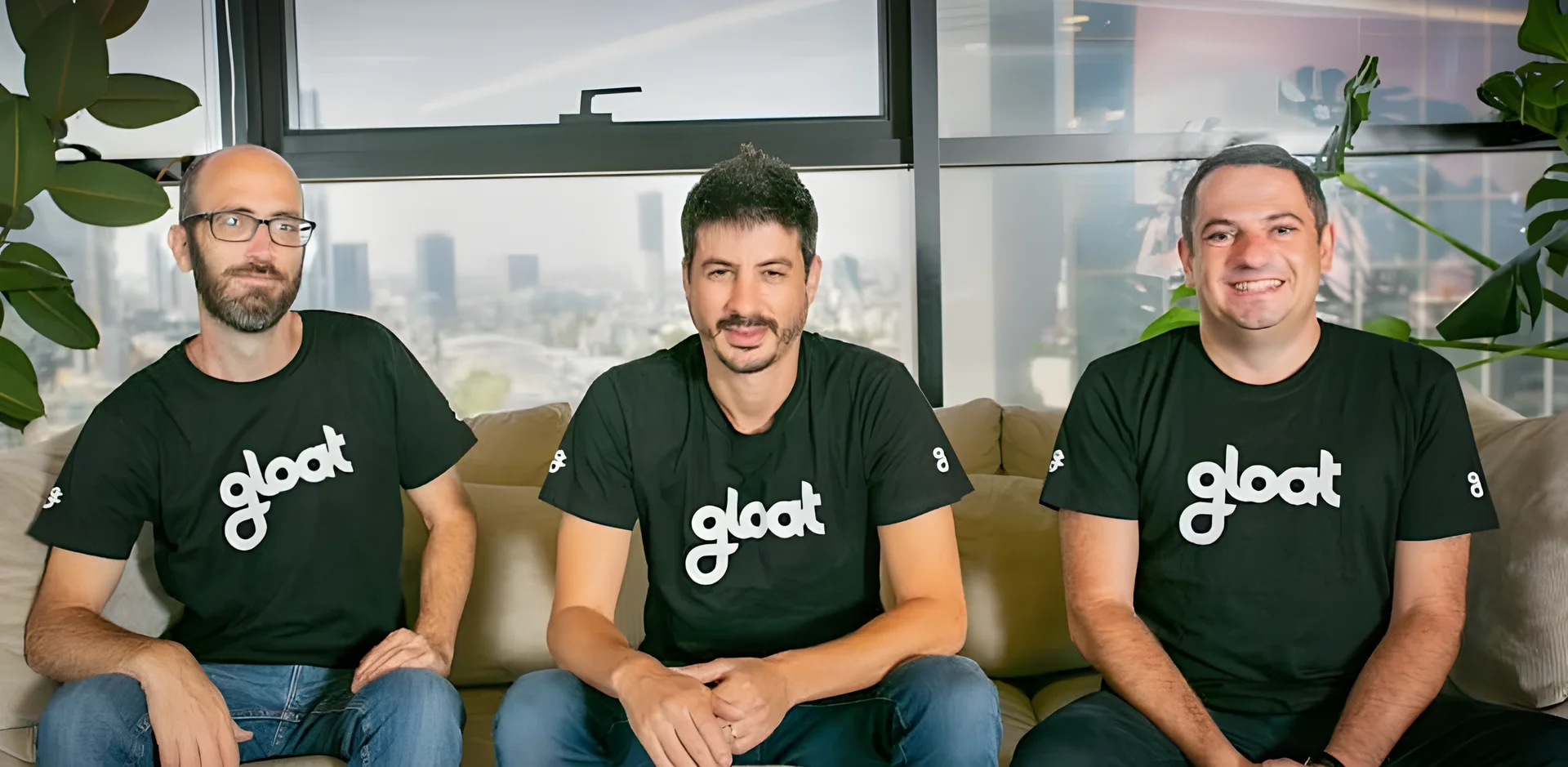
Israeli startup Gloat has announced the layoff of 20% of its workforce, marking a significant shift in its business strategy. The company, which has around 100 employees, is streamlining operations due to financial losses and declining business activity, according to sources familiar with the situation. The cuts are primarily affecting employees not directly involved in the development of new AI-based products, which the company aims to focus on moving forward.
Strategic Reorientation Amid Reduced Demand
Gloat, founded in 2014, has built an AI-based platform for career management and employee mobility within large organizations. Its flagship product, AI Talent Marketplace, allows human resources managers to advertise internal job opportunities and match employees with projects based on skills and career preferences. However, the company is facing challenges in expanding its customer base for this product, with some clients not renewing contracts, according to sources.
The lack of contract renewals has impacted revenue, leading to an operating deficit that has widened. In response, Gloat is shifting its focus from the traditional internal labor market to broader AI integration within organizational workflows. The company is now developing new products to help organizations prepare for AI tools, assess readiness, and implement cross-unit processes.
As part of this pivot, Gloat is reducing non-core activities, and there has been a noticeable slowdown in workload and project launches in recent months. Employees who were laid off have reportedly received severance packages and assistance with job transitions.
Financial Landscape and Market Context
Gloat’s most recent financing round occurred in June 2022, when it raised $90 million in a Series D round. Since then, no additional funding has been reported, and the company has raised a total of approximately $186 million since its inception. The firm has undergone multiple rounds of layoffs in recent years, and its current workforce is just over 100 employees.
From a macroeconomic perspective, Gloat’s restructuring aligns with a broader trend among enterprise software companies, which are adapting to a prolonged slowdown in the tech sector and shifting client priorities. Large corporations are increasingly demanding more focused solutions and rapid proof of business value from their software vendors.
Gloat stated in a statement, ‘We are proud that some of the world’s biggest companies use our Talent Marketplace platform to promote talent development and dynamic organizational management. We continue to support the product and invest in its development. At the same time, we clearly hear from our customers that they are asking us to expand these capabilities to the world of AI Agents, as part of their business and technological development – this is the next stage in Gloat’s evolution.’
The company added, ‘As part of the move, we are working to become a more simplified and focused organization by using AI in our internal operations as well. As part of the streamlining process, we were forced to make a difficult decision and say goodbye to some team members. The numbers mentioned are not accurate and the number of employees we let go is lower than the numbers mentioned, and the scope of the cuts is low compared to many other companies in the market.’
Future Implications and Strategic Focus
Gloat emphasized that the layoffs are necessary to allow the company to operate more efficiently and invest in areas that will drive its next phase of innovation and growth. The company aims to become a more focused organization by using AI in its internal operations. It also highlighted that the cuts are not as severe as initially reported and are relatively modest compared to those seen in other firms.
Analysts suggest that the move reflects a broader industry trend toward AI integration and a shift in client expectations. With Gloat’s strategic pivot, the company is positioning itself to meet the growing demand for AI-driven workforce solutions and prepare organizations for the next wave of technological advancements.
Gloat’s journey reflects the challenges and opportunities facing Israeli tech startups in a rapidly evolving market. The company’s ability to adapt and pivot will be crucial in maintaining its competitive edge and securing its future in the global enterprise software landscape.






Comments
No comments yet
Be the first to share your thoughts