

 Reuters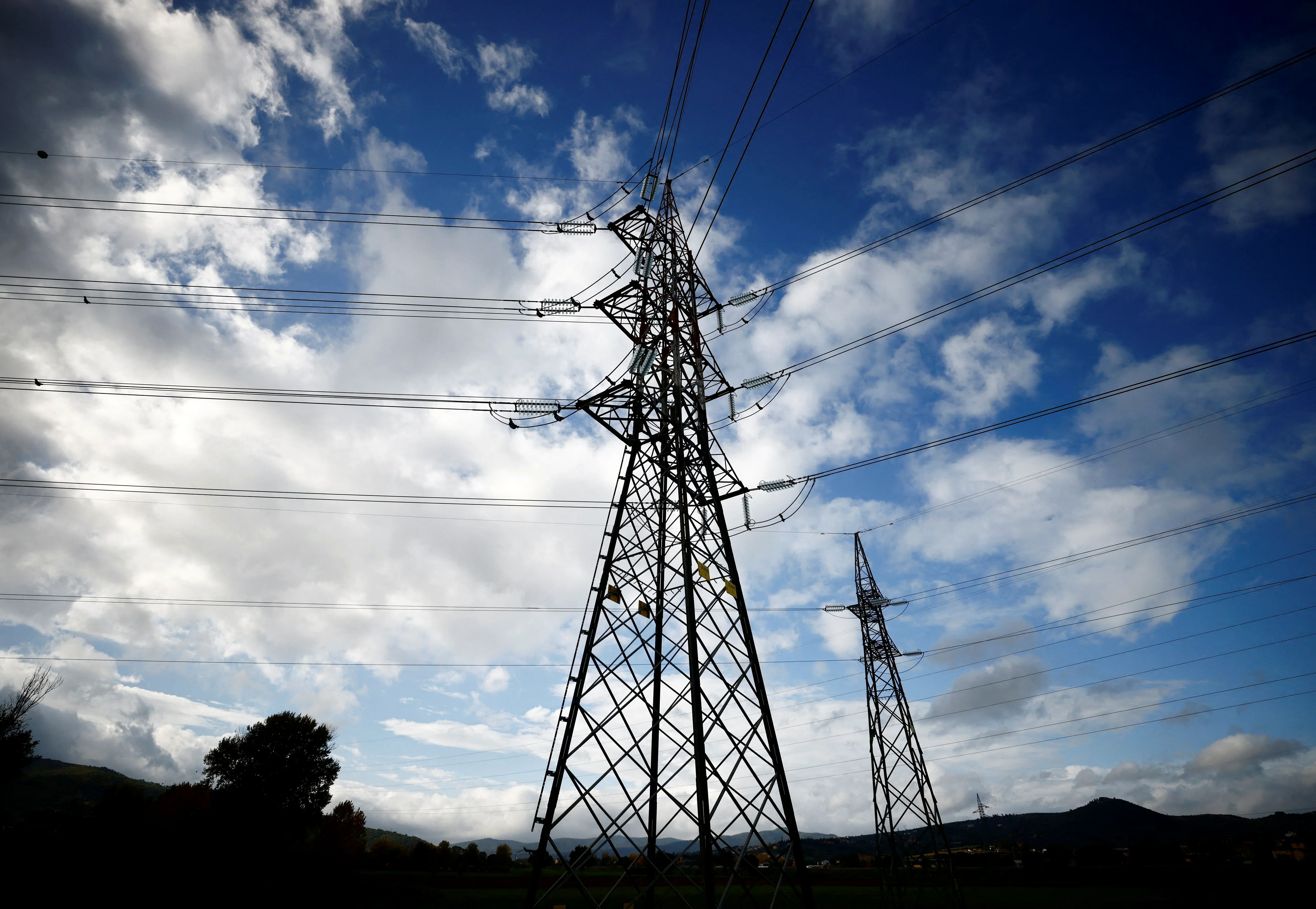
Italy’s Cabinet greenlit a 3 billion euro package Wednesday to drive down wholesale energy costs. Government officials described the move as essential to counter high power prices that exceed levels in France and Spain.
The country relies heavily on energy imports. That dependence leaves it exposed to global price swings and geopolitical strains. Power expenses here run markedly higher than across the border.
Officials target the gap between wholesale gas prices on Italy’s PSV market and the TTF hub in Amsterdam. More than 40% of Italy’s electricity comes from gas-fired plants. The spread typically sits at 2 to 4 euros per megawatt-hour, depending on market conditions.
“This will protect households and keep companies competitive,” one official told reporters after the approval. The measures build on efforts to tame energy costs amid lingering fallout from Russia’s war in Ukraine.
Italy imports nearly all its natural gas. Supplies flow mainly from Algeria, Azerbaijan, and LNG terminals. Wholesale prices spiked after Moscow cut flows through pipelines under the Baltic Sea and Ukraine last year.
Government data shows Italian households paid average electricity bills of 68 euros per megawatt-hour last year, versus 45 in France and 52 in Spain. Businesses face even steeper bills, squeezing margins in energy-intensive sectors like steel and chemicals.
The package details remain under wraps. Officials hinted at subsidies for gas procurement and incentives for renewable energy shifts. Economy Minister Giancarlo Giorgetti chaired the Cabinet meeting in Rome.
Prime Minister Giorgia Meloni’s administration faces pressure to ease living costs. Inflation has cooled to 1.2% in January from peaks above 12% in 2022. Energy bills still bite, though, with winter demand peaking.
Analysts expect the measures to trim PSV-TTF spreads by early spring. Eni, Italy’s largest energy firm, trades actively on PSV. Shares rose 1.2% in Milan after news of the approval broke.
Europe-wide efforts continue to diversify supplies. Italy boosted LNG imports by 20% last year. Algeria now covers 40% of needs, up from 30% in 2021.
The package adds to 21 billion euros already spent on energy aid since 2022. Officials project a total bill of 25 billion euros by mid-year. Finance Minister Danilo Toninelli stressed fiscal discipline amid EU deficit scrutiny.
Consumer groups welcomed the step. Codacons, a watchdog, called it “overdue relief” for 28 million households. Unions urged faster rollout to avoid spring billing surges.
Wholesale gas hit 28 euros per megawatt-hour on PSV this week, down from 80 euros peaks in 2022. TTF traded at 26 euros. The narrow spread reflects calmer markets, but officials want sustained alignment.
Rome coordinates with Brussels on the plan. EU state aid rules cap emergency measures at 13 billion euros through 2024. Italy has room under those limits.
Implementation starts next month. Tenders for subsidies open Feb. 25. Grid operator Terna will monitor price impacts quarterly.


Comments
No comments yet
Be the first to share your thoughts