

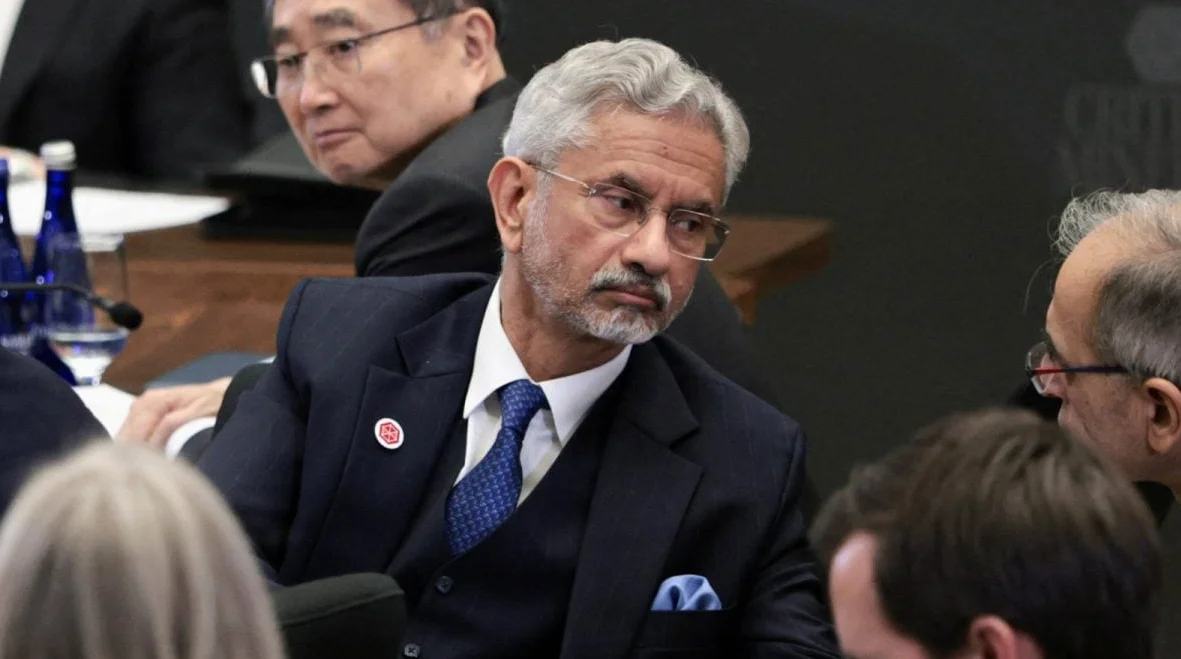
India’s External Affairs Minister S Jaishankar on Tuesday held discussions with German Foreign Minister Johann Wadephul and South Korean Foreign Minister Cho Hyun over the escalating conflict in West Asia. The talks took place as the US-Israeli conflict with Iran continues to disrupt access to the Strait of Hormuz, a critical global oil transit route that supplies 20% of the world’s oil and natural gas.
Energy Market Volatility Sparks Global Concern
Jaishankar shared updates on the situation in West Asia with Wadephul, noting the geopolitical tensions and their impact on global energy markets. He also had a ‘good conversation’ with Cho Hyun, where both discussed bilateral relations and the energy implications of the ongoing conflict. This follows a similar discussion with Italy’s Foreign Minister Antonio Tajani the previous day.
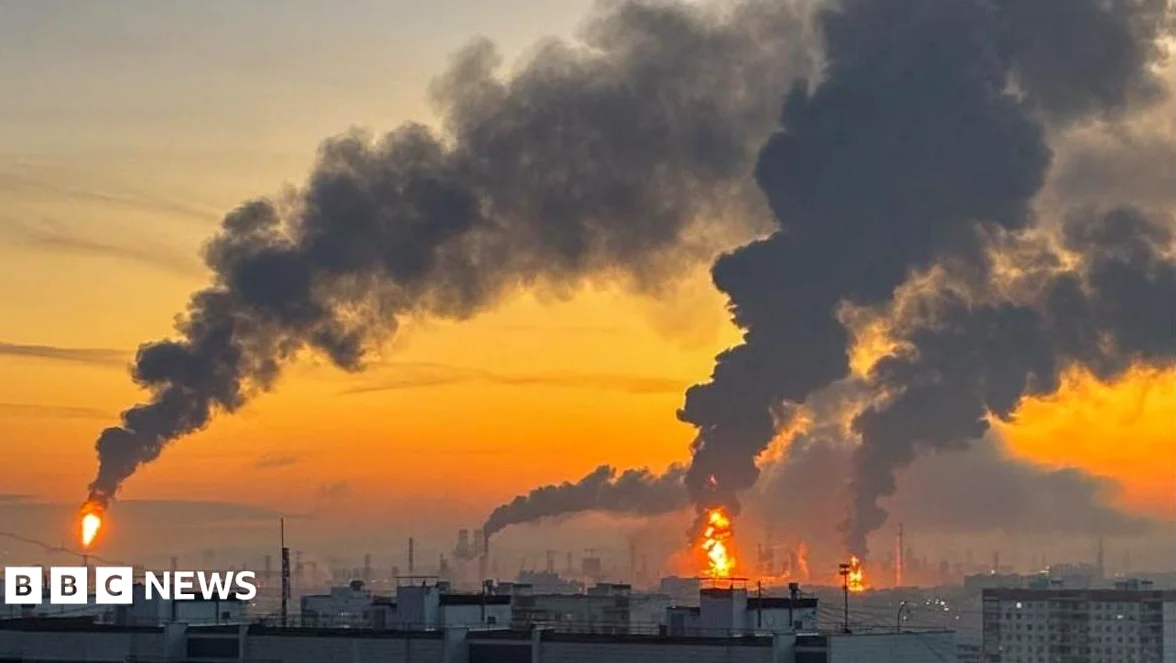
The recent war has triggered extreme volatility in crude oil prices, with prices reaching as high as $115 per barrel on Monday. This has raised concerns across South Asia, where countries are already grappling with energy shortages and rising fuel prices. Bangladesh, Pakistan, and Sri Lanka have all taken emergency measures to manage the impact on their citizens and economies.
India’s Response to Energy Crisis
In response to the escalating crisis, Indian Prime Minister Narendra Modi held a meeting with Petroleum Minister Hardeep Singh Puri and Jaishankar to review the status of LPG supplies and assess potential disruptions. The Indian government has invoked the Essential Commodities Act (EC Act) to safeguard the domestic fuel market from any potential shocks.
The Petroleum Ministry issued a control order directing refineries and petrochemical units to increase LPG production and channel key hydrocarbon streams into the LPG pool to ensure uninterrupted availability of cooking gas across the country. This move comes as the government aims to protect households and essential sectors from the impact of rising global fuel prices.
In a joint statement, Indian Oil Corporation Limited, Bharat Petroleum Corporation, and Hindustan Petroleum Corporation confirmed that the government has initiated steps to boost LPG output and secure adequate stocks for both domestic and non-domestic sectors. The companies emphasized their commitment to ensuring that the supply of cooking gas remains stable despite the ongoing global crisis.
Trump’s Mixed Signals on Iran War
Meanwhile, US President Donald Trump offered mixed signals on the conclusion of the conflict in Iran, stating the war is ‘pretty much over’. However, he also warned that any attempt by Iran to disrupt oil shipments through the Strait of Hormuz would trigger a response ‘twenty times harder’ than what Iran has already faced.
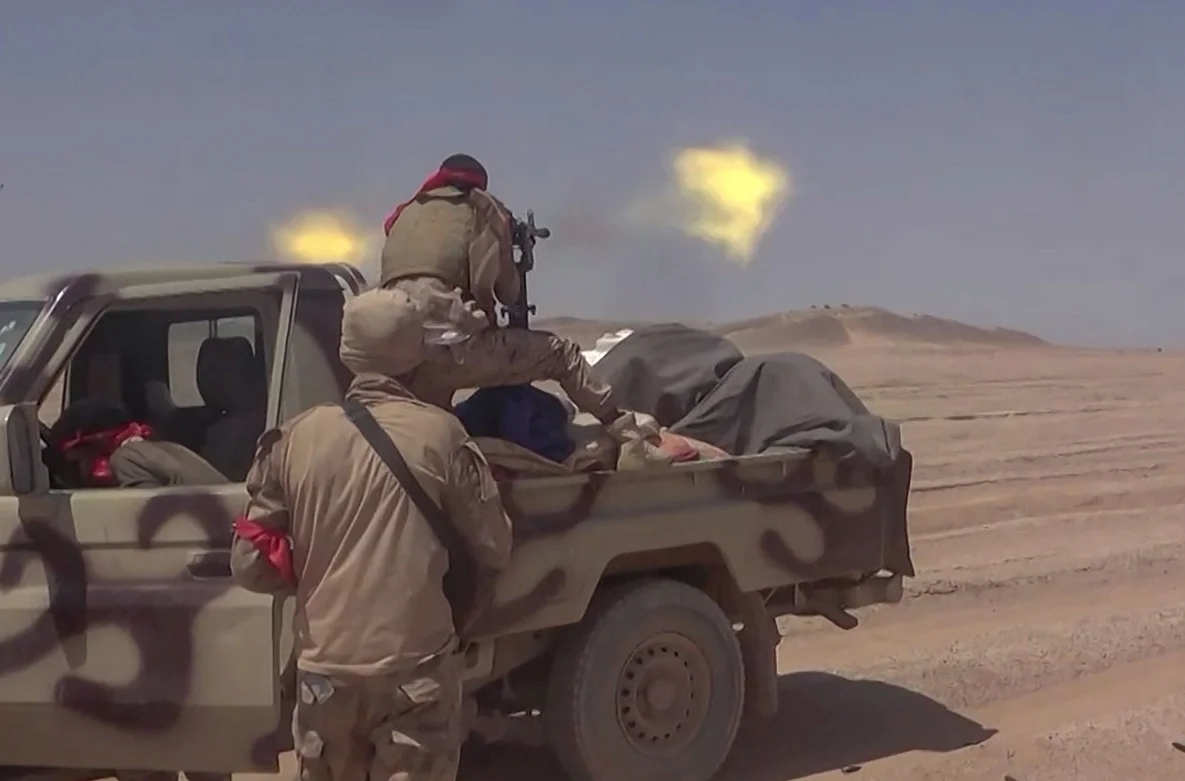
Speaking to Republican lawmakers at his golf club near Miami, Trump described the US’ involvement in the Middle East as a ‘short-term excursion’ aimed at ‘getting rid of some evil’. His comments were met with a response from Iranian state media, where a spokesperson for the Major Guard, Ali Mohammad Naini, stated that ‘Iran will determine when the war ends.’
Trump also spoke with Russian President Vladimir Putin on Monday, discussing a ‘quick settlement’ of the conflict in Iran. Russia has pledged ‘unwavering support’ to Iran’s new supreme leader, Ayatollah Mojtaba Khamenei, signaling continued geopolitical alignment between the two nations despite Western sanctions and pressure on Iran.
The ongoing conflict in West Asia has not only affected global oil supplies but also raised concerns about the stability of international trade routes. The Strait of Hormuz, which is responsible for nearly 20% of the world’s oil exports, has become a flashpoint for geopolitical tensions, with both Iran and the US vying for control over the region.
Analysts warn that the situation could have long-term implications for global energy security and trade. The volatility in oil prices has already begun to affect economies across South Asia, where rising fuel costs are straining household budgets and pushing governments to implement emergency measures.
As the situation continues to unfold, the international community is closely watching the developments in West Asia, with hopes for a swift resolution to the conflict that could stabilize global energy markets and restore normalcy to international trade routes.




Comments
No comments yet
Be the first to share your thoughts