

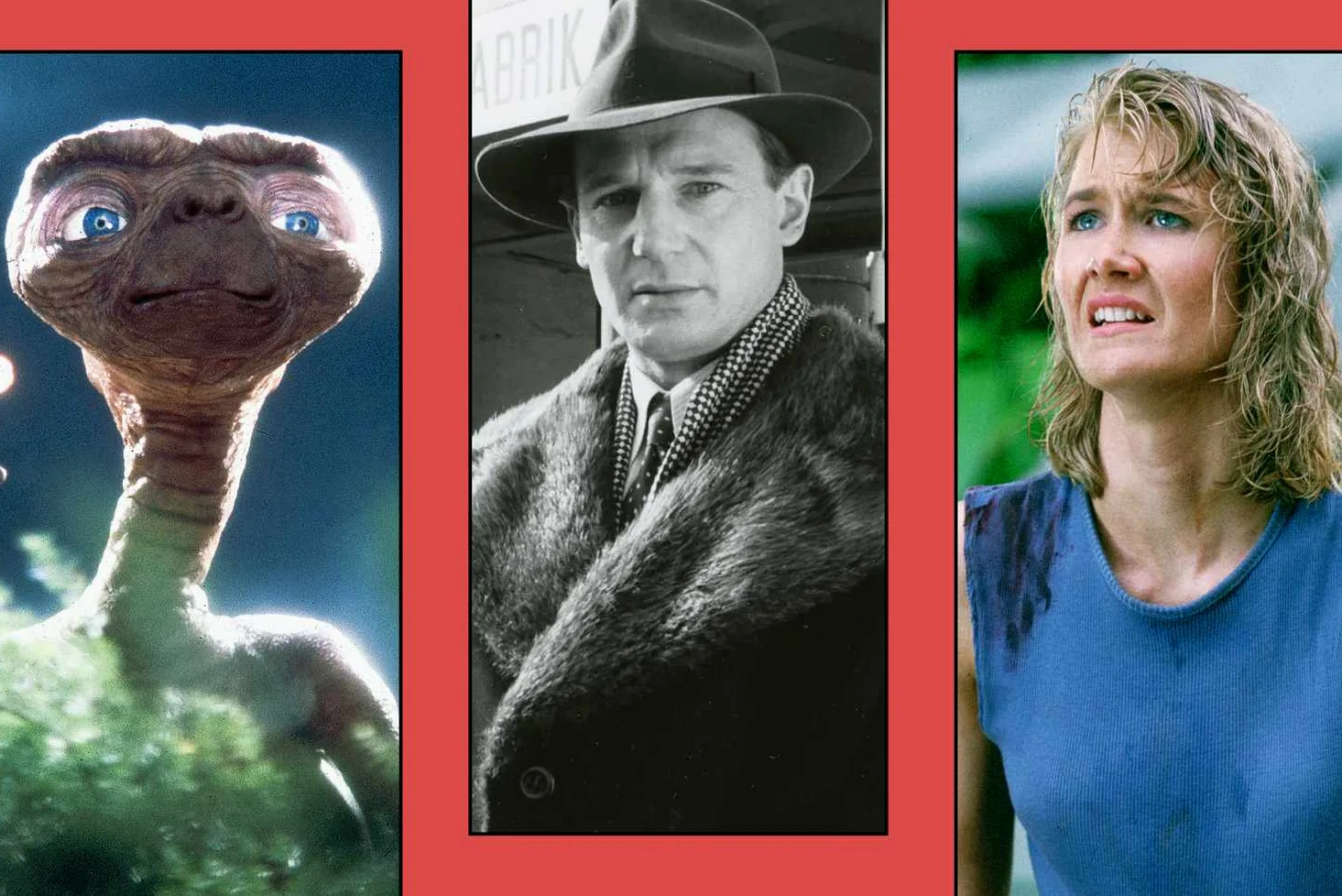
John Williams, the legendary composer whose scores have defined cinematic moments for generations, has been recognized for his unparalleled ability to translate emotion into music. From the sweeping orchestral themes of ‘Star Wars’ to the haunting melodies of ‘The Book Thief,’ Williams has crafted a legacy that continues to resonate with audiences. EW has ranked the 20 best scores from the maestro, highlighting the enduring impact of his work on film and popular culture.
From Japanese Themes to American Frontiers
Williams’ score for ‘Memoirs of a Geisha’ showcases his ability to adapt traditional Japanese instrumentation into a cinematic soundscape. The film, directed by Rob Marshall, features Zhang Ziyi, Michelle Yeoh, and Ken Watanabe in a tale of a geisha’s life. Williams’ composition weaves between meditative and intense themes, capturing the emotional journey of the protagonist.
Similarly, ‘Far and Away,’ directed by Ron Howard, tells the story of two Irish immigrants seeking a new life in America. Williams’ score, with its use of fifes, fiddles, and harps, reflects the energy and struggle of the characters, evoking the spirit of the American frontier.
Christmas Classics and Star Wars Showdowns
Despite the dominance of holiday classics like Mariah Carey’s ‘All I Want for Christmas Is You,’ Williams’ score for ‘Home Alone’ remains a beloved Christmas staple. His music blends festive cheer with playful mischief, offering a unique take on the holiday season.
Williams’ work on ‘The Phantom Menace’ might be overshadowed by the film’s plot, but his score for the climactic ‘Duel of the Fates’ is a standout. The piece captures the intensity of the lightsaber battle between Obi-Wan Kenobi and Darth Maul, with its sweeping orchestration and dynamic pacing.
Adaptations and Awards
Williams’ adaptation of ‘Fiddler on the Roof’ earned him his first Oscar, showcasing his ability to translate Broadway into film. His score, which highlights themes of Jewish resilience, remains a powerful testament to his respect for the original material.
‘The Book Thief,’ Williams’ first non-Spielberg film in eight years, received critical acclaim for its haunting score. The use of two pianos playing simultaneously created an evocative soundscape, earning Williams a Grammy and setting a record for Oscar nominations.
Personal Journeys and Timeless Themes
Williams’ score for ‘The Fabelmans,’ Spielberg’s semi-autobiographical film, is a deceptively simple yet emotionally rich composition. The use of piano tracks highlights the protagonist’s journey of self-discovery and familial struggles.
In ‘Hook,’ Williams integrated melodies from discarded songs into the instrumental score, creating a rich soundscape that captures the transition from childhood to adulthood. The score balances childlike wonder with the complexities of growing up.
Playful Jazz and Magical Realism
‘Catch Me If You Can’ features Williams’ signature sweeping orchestral numbers, with a notable use of the saxophone that evokes the spirit of the 1960s. The music enhances the film’s themes of deception and youthful ambition.
For ‘Harry Potter and the Sorcerer’s Stone,’ Williams crafted a magical score that introduces the wizarding world through a playful yet sinister music box theme. This score set the stage for the entire franchise, blending whimsy with grandeur.
Historical and Emotional Depth
Williams’ score for ‘Saving Private Ryan’ is a masterclass in restraint. The music complements the film’s intense battle sequences with moments of silence, creating a powerful emotional backdrop to the story of a soldier’s return.
In ‘Close Encounters of the Third Kind,’ Williams used a simple keyboard theme to communicate with extraterrestrial beings, creating an iconic and hummable melody that has become synonymous with the film.
Superhero Soundtracks and Nostalgic Themes
‘Superman: The Movie’ features Williams’ iconic four-note brass theme, a symbol of hope and heroism. The score, with its bold and patriotic tones, has become a cultural touchstone, representing the essence of the superhero genre.
Williams’ ability to create memorable themes has made him a cornerstone of Hollywood. His work continues to influence modern composers and remains a benchmark for cinematic scoring.






Comments
No comments yet
Be the first to share your thoughts