

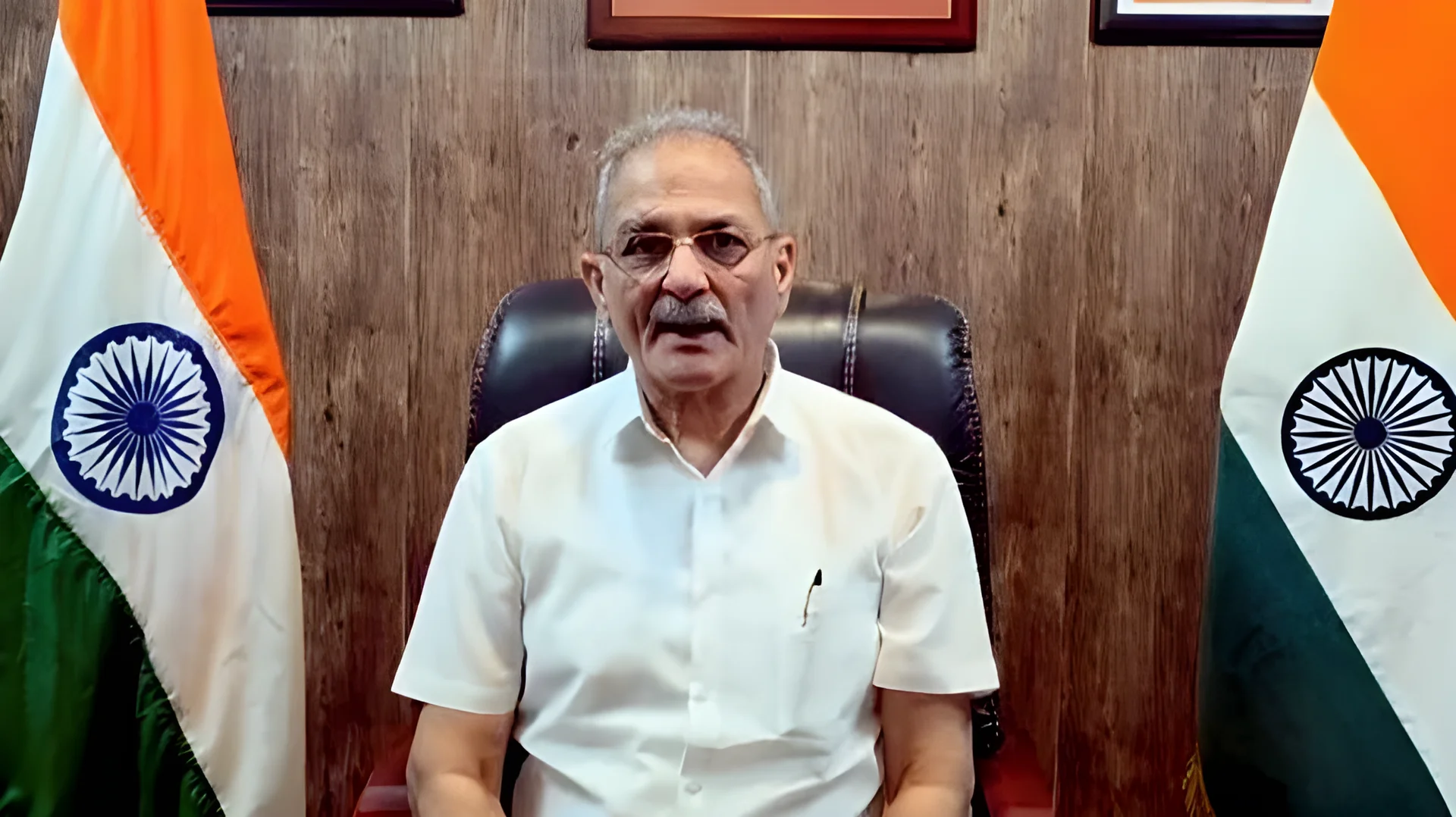
Kavinder Gupta, the Lieutenant Governor of the Union Territory of Ladakh, has submitted his resignation from the position on Thursday, 5 March, according to ANI, citing people aware of the development. Gupta was appointed to the role on 14 July 2025, following the acceptance of the resignation of his predecessor, Brig (Dr) BD Mishra (Retd), by President Droupadi Murmu.
Political Background and Leadership
Gupta is a senior leader of the Bharatiya Janata Party (BJP) from Jammu and Kashmir. He previously served as the Deputy Chief Minister under the Chief Ministership of Mehbooba Mufti. He was elected as a Member of the Legislative Assembly (MLA) for the first time from the Gandhi Nagar constituency in the 2014 Assembly elections and was unanimously elected as the Speaker of the House. Before entering politics, Gupta served as the secretary of the Vishva Hindu Parishad (VHP), a Hindu nationalist organization.
The Officer on Special Duty (OSD) to the Governor confirmed the development to the news agency, stating, ‘Governor CV Ananda Bose has resigned from his post and has sent his resignation letter to the President of India.’
Reaction from West Bengal Chief Minister
West Bengal Chief Minister Mamata Banerjee expressed shock at CV Ananda Bose’s sudden resignation as Governor and stated she was not consulted about RN Ravi’s appointment as his successor. ‘I am shocked and deeply concerned by the sudden news of the resignation of CV Ananda Bose, the Governor of West Bengal,’ Banerjee said on X.
‘The reasons behind his resignation are not known to me at this moment. However, given the prevailing circumstances, I would not be surprised if the Governor has been subjected to some pressure from the Union Home Minister to serve certain political interests on the eve of the forthcoming State Assembly elections,’ she added.
Banerjee emphasized the need for the Centre to respect the principles of cooperative federalism and avoid making unilateral decisions that undermine democratic norms and the dignity of states.
Implications for Governance and Federal Relations
Gupta’s resignation and Bose’s departure raise questions about the stability of governance in both Ladakh and West Bengal. With the upcoming State Assembly elections in West Bengal, the timing of Bose’s resignation has drawn scrutiny from political analysts and state leaders alike. Analysts suggest that the Central government may be trying to influence state dynamics ahead of the polls.
The resignation of two senior officials within a short period could signal internal political tensions or shifts in federal-state relations. Officials in both Ladakh and West Bengal have not yet commented on the sequence of resignations or the potential reasons behind them.
According to internal sources, the resignation of Kavinder Gupta came after several months of administrative challenges in Ladakh, including issues related to infrastructure development and security coordination. The Union Territory, created in 2019, has been a focal point of strategic and political interest due to its border with China and its proximity to the Line of Actual Control (LAC).
The Central government has not officially commented on Gupta’s resignation or the reasons behind it. However, the move has sparked discussions about the role of Lieutenant Governors in Union Territories and their relationship with the central administration.
Analysts suggest that the Central government may be looking to restructure administrative roles in key Union Territories ahead of the next general elections. With the upcoming polls, political maneuvering at the federal and state levels is expected to intensify, and the resignations may be part of a larger strategic shift.
What remains unclear is whether the resignations are isolated incidents or part of a broader political realignment. With no official statements from the Central government or the affected states, the situation continues to unfold with growing interest from political observers and the public.





Comments
No comments yet
Be the first to share your thoughts