

 BBC
BBC 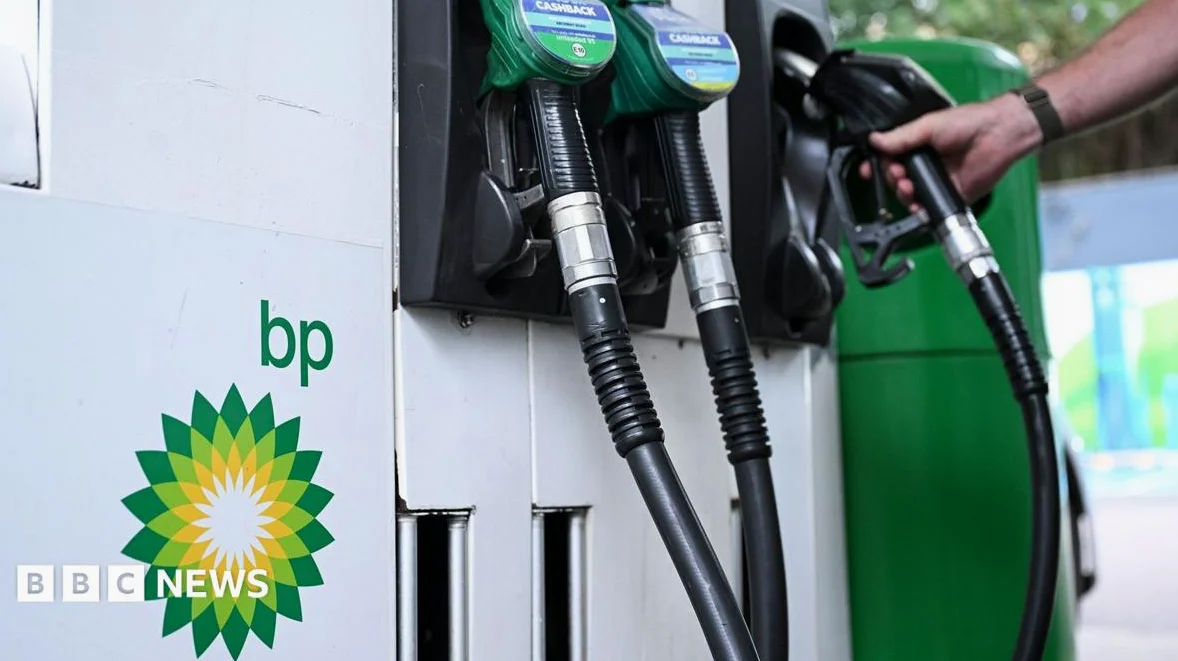
BP reported a profit of $5.73bn (£4.26bn) between April and June, which was more than double the $2.35bn made a year earlier, while this marked the highest quarterly profit since 2022 when the Russia-Ukraine war began, according to BBC.
Oil Price Surge and Global Conflict
The price of crude oil has risen since the outbreak of the Iran war earlier this year, driven by major disruption to global supplies of oil and gas through the Strait of Hormuz. BP said Brent crude,the global benchmark for oil prices—averaged $103.85 a barrel in the April-to-June quarter, up from $67.88 in the same period last year.
Environmental and poverty campaigners have criticized BP for “profiteering” off skyrocketing oil prices. Crude oil prices shot up after the outbreak of conflict in the Middle East, which in turn pushed up petrol and diesel prices and domestic energy costs around the world.
Industry-Wide Profit Surge and Political Reaction
The rise in oil prices has benefited all energy companies, not just BP; Rival Shell also reported a doubling in quarterly profits last week; On Monday, US President Donald Trump said American oil firms ExxonMobil and Chevron were “making too much money.”
Trump told reporters: “I don’t like it, and I should be the last one to say because I’m a big free enterprise guy; they ought to give some of that back to the public, and they better cut the retail price, the consumer price.”
BP’s Strategic Shifts and Internal Criticism
Despite the big rise in profits, BP chief executive Meg O’Neill said the company was not reaching its full potential. BP, which employs nearly 14,000 people in the UK, confirmed plans to move further away from clean energy, revealing plans to sell off its US renewable natural gas business Archaea. O’Neill said this was part of her plan to prioritize “value, not sentiment or history.”
Last week, BP announced it was putting its North Sea business up for sale in a move that would end 60 years of production in the region by the company. Russ Mould, investment director at AJ Bell, said the sell-offs intended to make the business more sped up, and “O’Neill will be aware she cannot rely on oil and gas prices remaining this high indefinitely,” he said.






Comments
No comments yet
Be the first to share your thoughts