

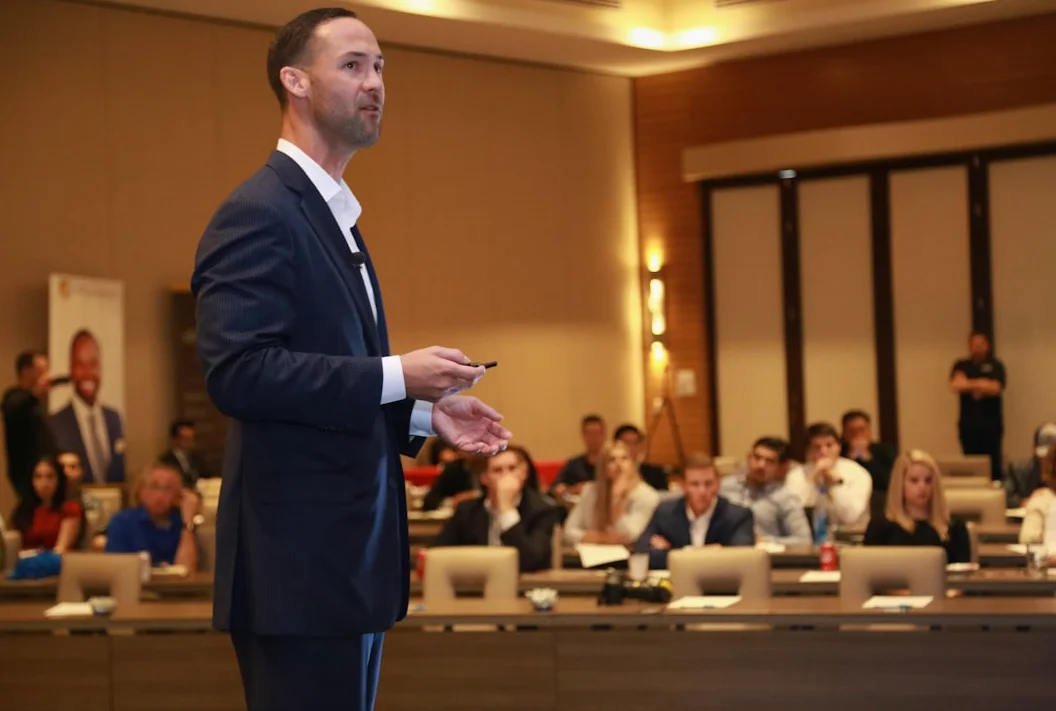
Federal Reserve Chair Kevin Warsh is set to lead his first Federal Open Market Committee (FOMC) meeting this week, with investors and economists focusing not on the likelihood of a rate cut, which is nearly nonexistent at 99.6% probability. On how Warsh will shape the Fed’s messaging and future policy direction; the meeting, which began on Monday, culminates in a policy statement and press conference on Wednesday.
Warsh’s first test: Balancing Trump and inflation
Warsh, a former Fed board governor and known “inflation hawk,” was appointed by President Donald Trump, who has publicly urged the Fed to lower interest rates to stimulate economic growth. However, with inflation at its highest level in more than three years — the Consumer Price Index recently reached an annual rate of 5.3%, Warsh faces pressure to maintain a firm stance on price stability.
According to Northeastern Global News. The Fed has signaled it will leave rates unchanged, but rising inflation, ongoing uncertainty from the Iran peace deal, and global supply chain disruptions complicate the path forward. University professor William Dickens described the Fed as being in “an impossible position” given the broader economic challenges.
Communication shift: Less guidance, more ambiguity
One of the key aspects of Warsh’s approach is his stance on communication. He has previously criticized the Fed’s use of forward guidance — including tools like dot plots and press conferences, arguing that the central bank should provide less clarity on future rate moves. According to The Miilk. This philosophy signals a “silent revolution” in how the Fed interacts with the market.
Elizabeth Renter. Senior economist at NerdWallet. Noted that the meeting is more about Warsh’s debut than the rate decision itself. “The most interesting thing that’s happening at this meeting is Warsh’s debut and what that means for how we see the Fed moving forward,” she said. The Fed’s traditional role of maintaining market stability by offering transparency is now at odds with Warsh’s preference for less predictable communication, according to market analysts.
Global impact and market uncertainty
Warsh’s first FOMC meeting is occurring at a volatile time for global markets. The S&P 500 has shown weakness ahead of the decision, while the Ibex 35 in Spain is closely monitoring any shifts in U.S. monetary policy. According to Moncloa.com, Spain’s investment environment is particularly sensitive to U.S. rate decisions, as they affect sovereign debt costs and foreign capital flows.
Meanwhile, the recent geopolitical developments, including a tentative peace deal between the U.S. and Iran, have pushed oil prices down below $80 per barrel. This has brought some relief to inflation concerns but has also introduced uncertainty for bond markets and long-term borrowing costs, according to experts. The agreement outlines measures such as the reopening of the Strait of Hormuz within 30 days and the release of frozen Iranian assets, though final terms remain pending.
Warsh’s leadership is being watched closely by markets and policymakers alike. His emphasis on less guidance and a potential shift away from the Fed’s established communication framework may signal a new era in U.S. monetary policy, one that could have far-reaching implications for global financial stability.

Comments
No comments yet
Be the first to share your thoughts