

 BBC
BBC 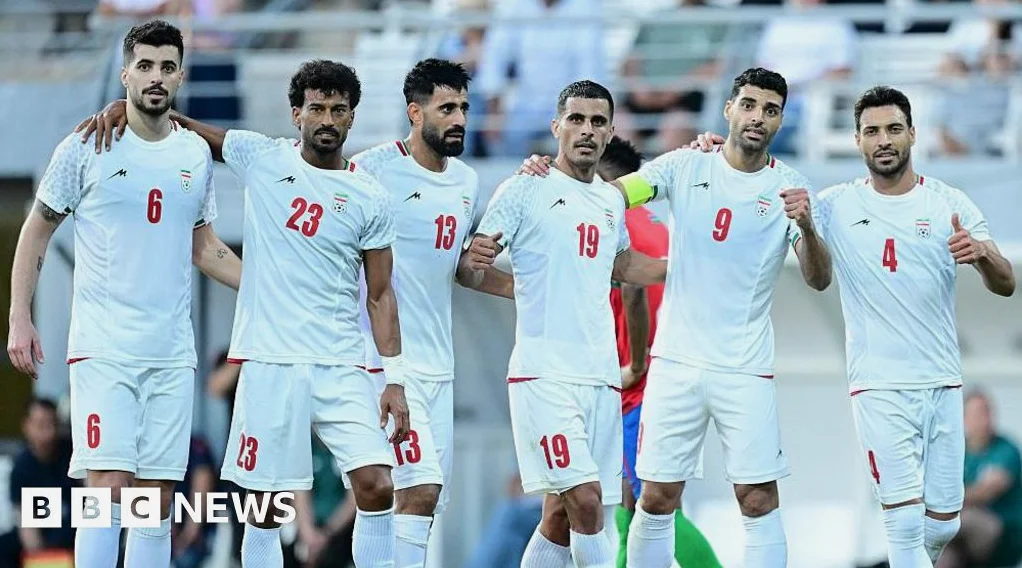
Iran’s road to the 2026 World Cup has been anything but straightforward since the team qualified on 25 March 2025; more than a year later, the team faces complex challenges due to the geopolitical setting involving the host nation, the United States.
Visa Delays and Denied Applications
Visas for Iranian players were only approved on Friday, 2025, despite being one of the first teams to qualify, though However, several staff members, including the head of Iran’s football federation, Mehdi Taj, were denied visas. The US State Department told the BBC that the required visas for the tournament had been issued but emphasized it would not allow the team to “abuse this system to sneak terrorists into the United States under false pretences.”
Relocation of Training Camp
Due to the ongoing war between the US and Iran, and after approval from Fifa, Iran has moved its World Cup base camp from Tucson, Arizona, to Tijuana, Mexico. The team’s three group-stage matches will be played in the United States, in Los Angeles and Seattle. Iran’s ambassador to Mexico. Abolfazl Pasandideh. Noted that players must enter and leave US territory on the same day as their matches under the visa conditions.
Political and Social Tensions
Relations between Iran and the US have been strained for over four decades, following the 1979 embassy seizure and hostage crisis, while Football has often been a rare avenue for engagement between the two countries. The 1998 World Cup match between Iran and the US, which Iran won 2-1, became a symbol of political significance and drew global attention — the two teams met again in the 2022 World Cup in Qatar, with the US progressing to the knockout stage after a 1-0 win.
The 2026 World Cup adds to the intrigue, with the possibility of a US-Iran match in the knockout stage. Such a game would carry weight beyond football, given the ongoing war between the two nations. Football, once a unifying force in Iran, now faces a more complex relationship with the public.
Previously, the Iranian national team was a source of widespread support across political and social divides. However, the 2022 World Cup in Qatar coincided with nationwide protests following the death of Mahsa Amini and a harsh government enforcement action. The team became the subject of political debate, with some calling for players to show solidarity with protesters and others insisting football should remain apolitical.
The 2026 World Cup comes just six months after a major enforcement action on anti-government protests in Iran, during which human rights groups report thousands of deaths. Some supporters still view the team as a symbol of national pride, while others have become increasingly critical, arguing the team is too closely tied to state institutions.
Despite these challenges, football remains Iran’s most popular sport. Millions are expected to follow the team’s progress in North America. Iran’s performance on the pitch is also a key focus. Despite seven World Cup qualifications, the team has never advanced beyond the group stage. The expanded 48-team format offers new opportunities, and reaching the knockout rounds is seen as an achievable goal.
World Cups often reflect the political realities of their time. This year’s tournament will be no different, as Iran’s team faces a unique combination of diplomatic isolation, military tensions, visa uncertainty, and internal political divisions.






Comments
No comments yet
Be the first to share your thoughts