

Lebanon’s government has demanded that Hezbollah immediately surrender its weapons, condemning Iranian attacks on Arab nations as tensions in West Asia continue to escalate. The call comes amid a deepening regional conflict that has drawn Lebanon into the crossfire, with both Israeli and Iranian forces intensifying military operations across the region.
Lebanon’s Stance on Hezbollah and Iran
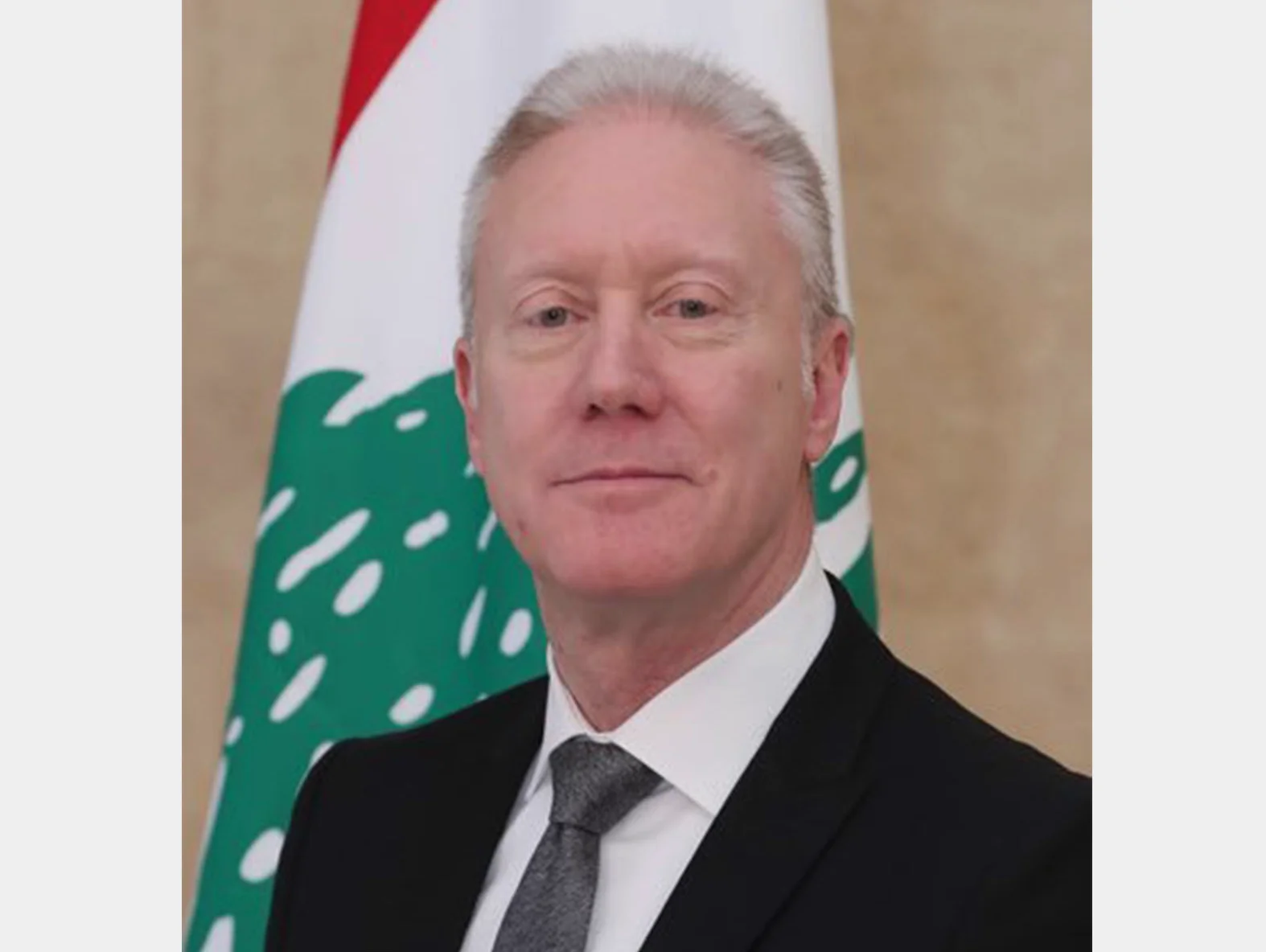
Foreign Minister Youssef Raggi, in a post on X, stated that Lebanon has condemned Iranian aggressions against Arab Gulf states, Jordan, and Iraq. He emphasized that such actions violate international norms and standards. Raggi highlighted the Lebanese government’s emergency session decision, which prohibits Hezbollah’s military and security activities and mandates the immediate surrender of its weapons.
Raggi expressed regret that Hezbollah has repeatedly disregarded Lebanon’s national interests to serve external agendas, defending Iran and dragging Lebanon into conflicts in which it has no stake. He stated that these actions have provoked Israeli military operations against Lebanese territories.
“I expressed my profound regret that Hezbollah has once again disregarded Lebanon’s supreme interests to serve external agendas, engaged in defending Iran, and dragged Lebanon into a war in which it has no stake, thereby provoking harsh Israeli military operations against Lebanese areas,” Raggi said in his post.
The minister added that Hezbollah acts unilaterally, isolated from the Lebanese state and its legitimate institutions. He affirmed that the Lebanese government and the Lebanese people are innocent of these actions and their consequences.
Escalating Regional Conflict
The recent escalation in tensions follows the killing of 86-year-old Ayatollah Ali Khamenei in joint military strikes by the US and Israel on Iran on February 28. The strikes also killed several senior leaders of the Islamic Republic. In retaliation, Tehran launched counter-strikes targeting American military bases in multiple Arab countries and Israeli assets across the region.
Israel, along with the US, continued its strikes on Tehran, with Tel Aviv widening the conflict to Lebanon, targeting Hezbollah and Iranian-backed militant groups. This has led to a dangerous cycle of retaliation and counter-retaliation across the region.
Israeli Military Operations in Lebanon
The Israel Defence Forces (IDF) released operational figures highlighting a week of combat against Hezbollah in Lebanon. According to a post on X, the IDF stated that over 600 terror targets were struck across Lebanon using approximately 820 munitions.
The operations resulted in the elimination of 190+ terrorists, including Abu Hamza Rami, the commander of the Palestinian Islamic Jihad (PIJ) in Lebanon, along with several senior commanders. The IDF also reported that 27 waves of strikes were conducted in Beirut, including five waves targeting the Dahieh area, a Hezbollah stronghold.
These military actions have intensified the humanitarian crisis in Lebanon, with civilians caught in the crossfire. The Lebanese government has repeatedly called for an immediate ceasefire and the withdrawal of foreign forces from the region. However, with both Israel and Iran continuing their military campaigns, the prospects for de-escalation remain uncertain.
Analysts warn that the situation could spiral further out of control if the cycle of violence continues. The international community is closely monitoring the developments, with calls for diplomatic intervention growing louder by the day.
Lebanon’s position remains clear: it seeks to distance itself from the regional conflict and protect its sovereignty. However, the actions of Hezbollah and the ongoing military operations by Israel have made this goal increasingly difficult to achieve.
The coming weeks will be crucial in determining whether the conflict will de-escalate or continue to escalate. With both sides showing no signs of backing down, the risk of a broader regional war remains a real and present danger.






Comments
No comments yet
Be the first to share your thoughts