

Strategic Partnership for Trans-Pacific Connectivity
Liberty Networks, Gold Data, and Sparkle have selected MDC Data Centers as their neutral landing partner for subsea cable projects in Mexico, marking a significant expansion in trans-Pacific connectivity. This decision follows the announcement of the MANTA Subsea Cable Consortium, which aims to deploy a high-capacity undersea cable system connecting the Americas and Asia. MDC Data Centers, a leading provider of colocation and interconnection services, will serve as the landing point for the consortium’s cables in Mexico, facilitating smooth data transfer between the two continents.
The partnership is expected to enhance Mexico’s role as a critical hub for international data traffic. According to Liberty Networks, the collaboration will enable faster and more reliable internet connectivity for businesses and consumers across the region. Gold Data, a subsidiary of China Mobile, emphasized the importance of this partnership in strengthening cross-border data flows between North America and Asia. Sparkle, a global provider of connectivity solutions, highlighted the strategic value of Mexico’s geographic location in the broader context of global digital infrastructure.
MDC Data Centers’ selection as the neutral landing partner highlights the growing demand for secure and scalable infrastructure to support the increasing volume of international data traffic. The company’s facilities in Mexico are designed to meet the stringent requirements of high-capacity subsea cable landings, including advanced security measures, redundant power systems, and high-speed interconnection capabilities.
Expansion of the MANTA Subsea Cable Consortium
The MANTA Subsea Cable Consortium, comprising Liberty Networks, Gold Data, and Sparkle, has announced plans to deploy a new undersea cable system that will connect the Americas and Asia through Mexico. The project is expected to significantly increase the capacity of trans-Pacific data transmission, addressing the growing demand for bandwidth driven by the proliferation of cloud computing, AI, and other data-intensive applications.
According to the consortium, the MANTA cable will have a capacity of up to 100 terabits per second, making it one of the highest-capacity subsea cables in the world. This capacity will support the needs of hyperscale data centers, cloud service providers, and enterprises seeking to expand their global presence. The cable will be deployed in stages, with the first phase focusing on connecting major metropolitan areas in North America and Asia.
The deployment of the MANTA cable is also expected to have a positive impact on Mexico’s economy by creating jobs and stimulating investment in the technology sector. Mexican officials have expressed support for the project, noting that it aligns with the country’s strategic goals to become a global leader in digital infrastructure. The government has pledged to provide regulatory and logistical support to ensure the successful implementation of the cable system.
Global Implications and Regional Impact
The selection of MDC Data Centers as the landing partner for the MANTA cable has broader implications for global digital infrastructure. The project is expected to reduce latency in trans-Pacific communications, which is critical for applications such as financial trading, cloud computing, and real-time data analytics. By providing a direct connection between the Americas and Asia, the MANTA cable will help to mitigate the reliance on existing trans-Pacific routes that pass through the United States and other regions.
Regional stakeholders have welcomed the project, with industry analysts noting that the MANTA cable will enhance the competitiveness of Mexico’s data center market. According to a recent report by Data Center Dynamics, Mexico’s data center industry is experiencing rapid growth, driven by increasing demand from international businesses seeking to establish a presence in the region. The report highlights that the MANTA cable will further solidify Mexico’s position as a key player in the global data center ecosystem.
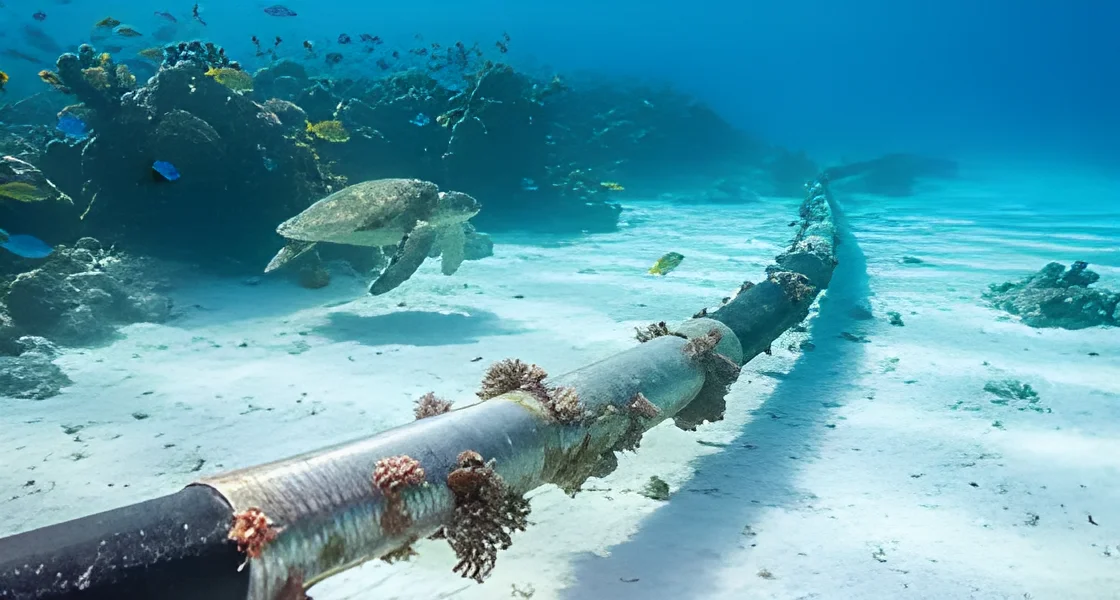
However, some experts have raised concerns about the potential environmental impact of deploying a high-capacity subsea cable. Environmental groups have called for a thorough assessment of the ecological effects of the cable’s deployment, particularly in sensitive marine areas. The consortium has stated that it will conduct environmental impact assessments as part of the project’s planning process to ensure that the cable’s deployment is sustainable and environmentally responsible.
What’s Next for the MANTA Cable Project
The MANTA Subsea Cable Consortium is currently in the planning and design phase of the project, with construction expected to begin in the coming years. The consortium has not disclosed a specific timeline for the completion of the cable, but industry sources suggest that the first phase of deployment could be completed within five years. The project will require significant investment, with estimates ranging from $500 million to $1 billion for the initial phase of construction.
The consortium has also indicated that it will seek partnerships with local governments and private sector stakeholders to support the project’s development. These partnerships are expected to provide access to funding, regulatory approvals, and technical expertise necessary for the successful implementation of the cable system. The involvement of MDC Data Centers as the neutral landing partner is a key component of the consortium’s strategy to ensure the project’s success.
As the MANTA cable project moves forward, it will be closely watched by industry stakeholders, investors, and policymakers around the world. The project’s success could set a precedent for future subsea cable deployments in the region and influence the development of global digital infrastructure. The consortium has emphasized its commitment to transparency and collaboration with all stakeholders involved in the project, ensuring that the MANTA cable will meet the highest standards of performance and reliability.
With the growing demand for high-speed, low-latency connectivity, the MANTA cable is ready to become a critical component of the global digital infrastructure. The partnership between Liberty Networks, Gold Data, Sparkle, and MDC Data Centers represents a significant step forward in the development of trans-Pacific connectivity and highlights the importance of international collaboration in building the digital infrastructure of the future.






Comments
No comments yet
Be the first to share your thoughts