

 BBC
BBC 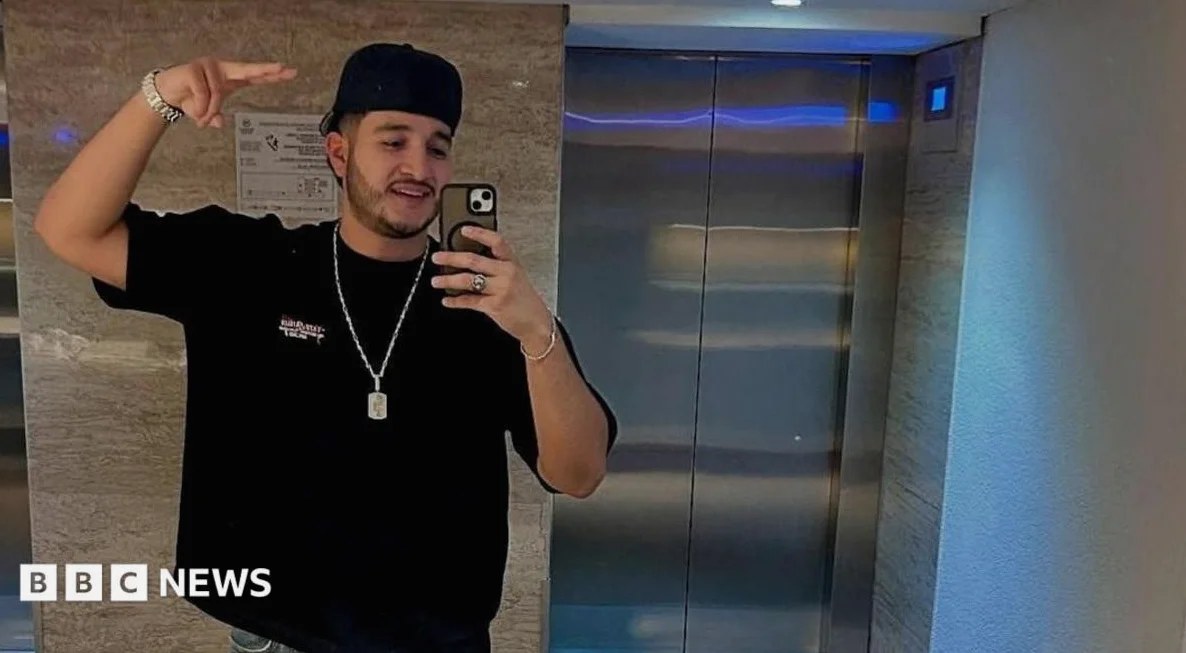
The killing of César Gastélum, a 22-year-old influencer, was captured in real-time during a livestream in the city of Culiacán, Sinaloa, as the footage shows two men on a motorbike approaching Gastélum as he spoke with friends outside a fast food restaurant. The driver of the motorbike shot Gastélum in the head at close range before fleeing the scene.
Investigation into Social Media Posts
According to the Sinaloa state prosecutor’s office, the investigation includes examining several posts Gastélum had shared on social media, some of which were said to reference a criminal group. However, officials confirmed that Gastélum had not received any threats from criminal groups and was not under investigation for alleged criminal ties.
Gastélum is not the first influencer to be murdered in Sinaloa. At least 10 content creators have been killed in the state since a violent conflict between two rival factions of the Sinaloa cartel began two years ago.
Social Media and Narcoculture
Claudia Arruñada, a communications expert at Mexico’s Iberoamerican University, highlighted the potential overlap between the social media and criminal underworld; she explained that both the algorithm and cartels promote the same message: consumption and luxury as ultimate values to be achieved quickly. “The model for success is no longer based on methodically working on your career, but rather on having a meteoric rise,” she added.
Gastélum was known for sharing images of his luxurious lifestyle, including expensive cars, nightlife, and luxury trips; In one post, he was seen at the grave of Leobardo Aispuro, a fellow influencer killed in 2024. Some content creators have rejected being labeled as ‘narco-influencers,’ arguing that simply being a young public figure with a lavish lifestyle can make one a target in Culiacán.
Cartel Use of Influencers
Some studies suggest that cartels, which operate like multinational corporations, use content creators as community managers to promote their “brand.” When rival factions clash, influencers seen as spreading propaganda for one group can become targets for their enemies.
In January 2025, leaflets were dropped from an aircraft over Culiacán, accusing 25 influencers and musicians of having ties to “La Mayiza,” a faction of the Sinaloa cartel. Four of those named had already been killed, and two more have died since; While Gastélum was not on the list, his murder is viewed as part of the same troubling trend.
Mexican President Claudia Sheinbaum has vowed to pursue those responsible for Gastélum’s murder and those who ordered it, while her government is also working to sever the link between popular culture and the criminal underworld, including addressing narcocorridos, songs that glorify criminals. Official figures indicate a 48% decrease in murders in 2025, but the killing of Gastélum, witnessed by his online audience, reinforces the perception that cartels still hold significant power in Culiacán and on digital platforms.




Comments
No comments yet
Be the first to share your thoughts