

 World Headlines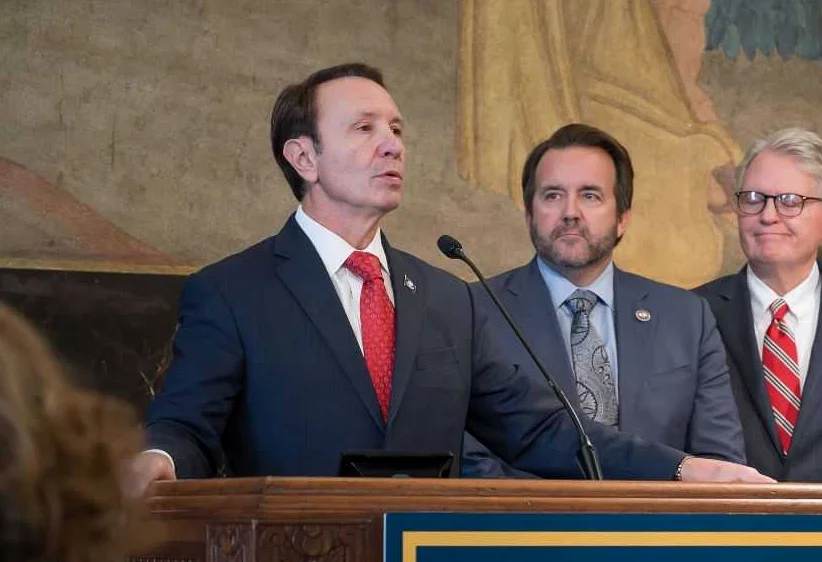
BATON ROUGE, Louisiana (AP) — Louisiana’s Supplemental Nutrition Assistance Program participants can no longer purchase soda, candy or energy drinks with their benefits. The restrictions took effect on Ash Wednesday after the U.S. Department of Agriculture granted the state a delay from its original Jan. 1, 2026, target date.
Gov. Jeff Landry pushed the changes as part of his alignment with U.S. Health Secretary Robert F. Kennedy’s “Make America Healthy Again” initiative. Landry issued an executive order in May 2025 limiting SNAP-eligible items, which federal officials later approved. The move aims to curb chronic diseases and lower the state’s Medicaid costs, Landry has said.
“This is about getting Louisiana healthy again, which is in coordination with the president’s effort to Make America Healthy Again,” Landry stated on a podcast last year. He added, “Snickers is not for lunch.”
About 850,000 Louisianans, or 20% of the population, rely on SNAP benefits. The heaviest concentrations appear in East Baton Rouge, Orleans, Jefferson, Caddo, Lafayette and Ouachita parishes, according to state figures.
Landry has positioned his state at the forefront of the MAHA push. In a video shared on social media last summer, he declared, “I’m committed to working alongside President Trump and Secretary Kennedy to bring the Make America Healthy Again movement to every corner of our state.”
The policy shift reflects broader efforts by Landry and state lawmakers to embrace Kennedy’s health agenda. Officials argue it promotes better nutrition and tackles Louisiana’s high rates of obesity and related illnesses. SNAP, the formal name for the food stamps program, serves low-income families nationwide, but states rarely impose such item-specific bans.
Federal rules generally allow SNAP dollars for most grocery items but exclude alcohol, tobacco and hot prepared foods. Louisiana’s new limits target sugary and high-caffeine products, aligning with MAHA goals to reduce junk food consumption. The USDA’s approval of the delay cited the timing with Lent, a period of fasting for many in the heavily Catholic state.
Critics have raised concerns about restricting choices for beneficiaries, though supporters point to potential long-term health savings. Landry’s office has not released immediate data on compliance or enforcement methods. Local food banks and retailers must now adjust checkout systems to flag prohibited items.
The restrictions build on Landry’s earlier executive action. After issuing the May 2025 order, state officials worked with the USDA to finalize implementation. Ash Wednesday fell on Feb. 18 this year, marking the official start.
Louisiana’s embrace of MAHA comes amid national debates over food assistance and public health. Kennedy, a vocal advocate for dietary reforms, has praised states like Louisiana for taking initiative. Landry reiterated his leadership role in recent statements, framing the SNAP changes as a key step.
State data shows SNAP enrollment remains steady, with urban parishes bearing the largest caseloads. Orleans Parish, home to New Orleans, ranks high alongside the capital region in East Baton Rouge. Rural areas like Ouachita also see significant participation.
As the policy rolls out, retailers face new compliance requirements. Grocery chains must train staff and update software to block SNAP transactions for banned items. Violations could lead to federal penalties, USDA guidelines state.
Landry’s push fits into a larger Republican-led health overhaul under President Trump. MAHA emphasizes cutting processed foods and boosting physical activity. Louisiana, with some of the nation’s worst health metrics, stands to benefit, proponents claim.






Comments
No comments yet
Be the first to share your thoughts