


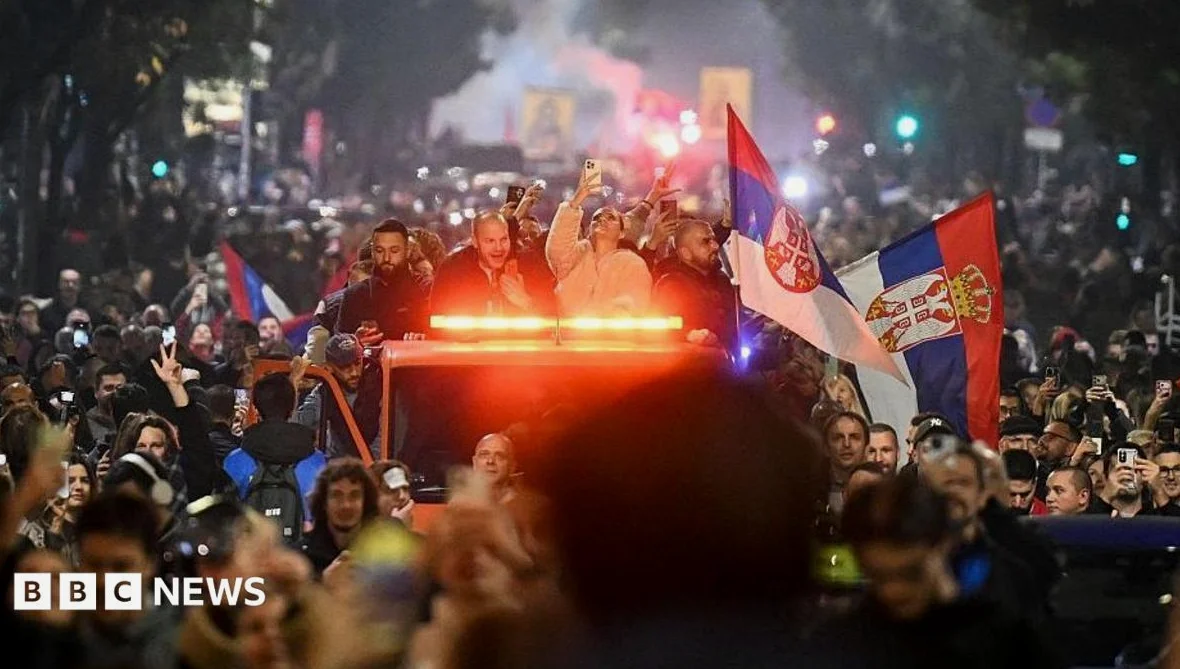
The protests, which began in mid-September over education and living costs, escalated into widespread violence on October 17. In Marseille, protesters stormed City Hall, while in Lyon and Limoges, arsonists destroyed public buildings. In Paris, clashes at Place de la République led to looting and vehicle fires.
The government deployed 70,000 police officers for demonstrations on October 24, which unions held to protest the high cost of living and public services. Interior Minister Laurent Nunez said the large police presence helped prevent a repeat of the earlier violence, but he warned that further disturbances were expected, particularly on October 31. “Halloween evening is traditionally always a bit lively. We expect it to be complicated again,” he said.
The protests have drawn in a broad coalition, including trade unions, “yellow vest” activists, and far-left groups. Far-right gangs have also become involved, confronting far-left activists in cities like Nice and Montpellier. Nunez noted that these groups had “arrived in organised formations, mainly to target the ultra-left movement.”
The unrest has taken a toll on France’s economy. Alain Di Crescenzo, head of the CCI France network of chambers of commerce and industry, said many retailers remained closed as a precaution after the violence of October 17. Sales had fallen by about 80% in some areas. “We have shopkeepers who are tired and demoralised, and we are killing local commerce,” he said.
Students have called for more teachers, school renovations, smaller class sizes, and changes to the Parcoursup university admissions system. The government had previously announced the deployment of 3,000 additional substitute teachers to struggling high schools. Macron acknowledged the need for reform, saying the government would respond to the “legitimate demands” of students.
With Macron’s presidential mandate set to expire in April 2027 and public finances under severe strain, the government has limited room to make costly concessions. The president has faced criticism for failing to address student grievances since the protests began. Government spokeswoman Maud Bregeon said restoring calm was a prerequisite for meaningful negotiations.
Government officials estimated turnout at more than 400,000 for the October 24 demonstrations, while organizers claimed nearly 800,000.




Comments
No comments yet
Be the first to share your thoughts