

 Bloomberg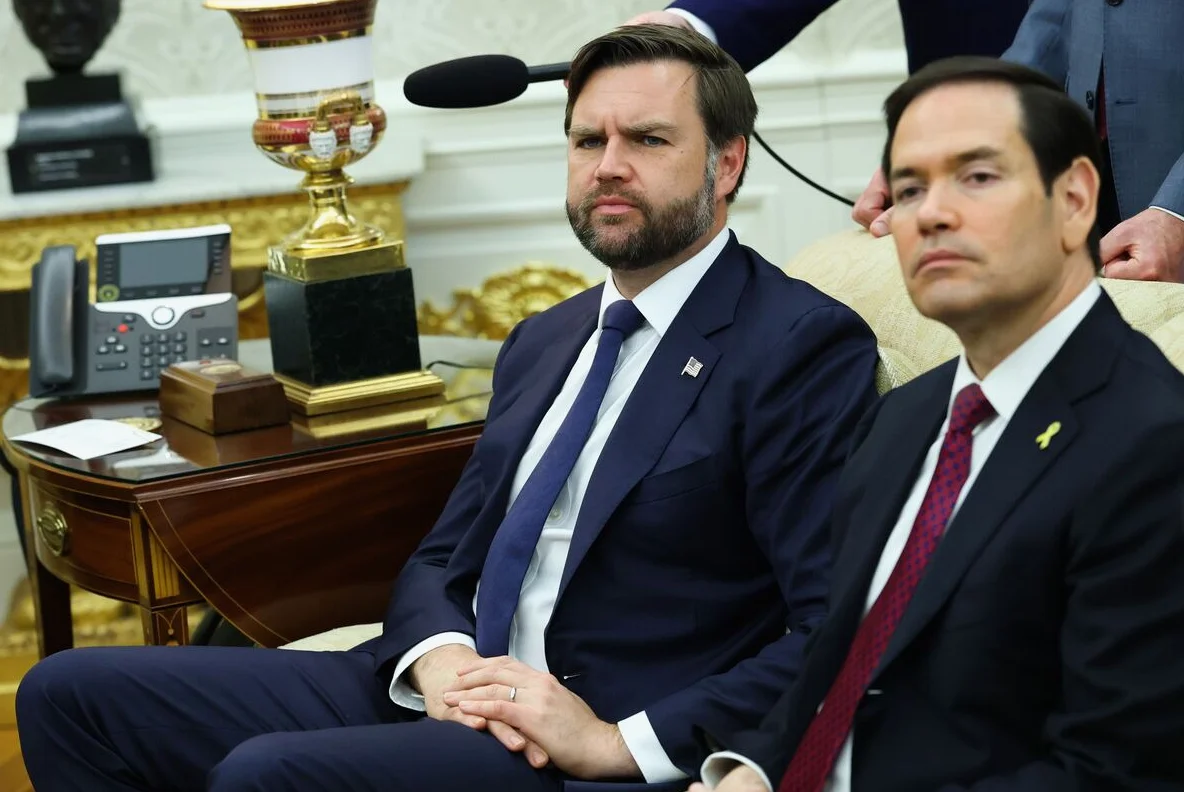
As U.S. military operations against Iran escalate, a growing number of Republican politicians and right-wing influencers have voiced concerns about the war’s implications. However, veteran GOP strategists say the majority of Republican voters, including those aligned with the Make America Great Again (MAGA) movement, continue to support President Donald Trump’s aggressive foreign policy in the Middle East.
Republican Divisions Over War in Iran
The current conflict, dubbed Operation Epic Fury, has sparked debate within the Republican Party, with some prominent figures expressing skepticism or outright opposition. Idaho Attorney General Raul Labrador, for instance, criticized the operation, stating that Trump was betraying his ‘America First’ pledge. Similarly, rightwing influencer Matt Walsh questioned the rationale for war, arguing that the freedom of Iranians is not the responsibility of Americans.
Mercedes Schlapp, a key organizer of the Conservative Political Action Conference (CPAC), warned that the MAGA base does not want Trump engaging in foreign entanglements, particularly with Iran. She emphasized that the movement, which often criticizes Reagan-era Republicans as ‘neocon warmongers,’ is not in favor of such military interventions.
Support for Trump’s Foreign Policy Remains Strong
Despite these concerns, veteran GOP strategists argue that the Republican base still largely supports Trump’s military actions. Republican pollster Patrick Ruffini cited surveys showing that MAGA Republicans prefer a 2028 GOP nominee who ‘confronts foreign adversaries’ over one who promises to ‘avoid interventionism’ by a wide margin of 69% to 23%.
Ruffini noted that Republican voters’ instincts regarding foreign policy have remained consistent since the Reagan-Bush era. ‘They supported it in the old days, and they support it when Trump does it now,’ he said. This sentiment was echoed in reporting from The Dispatch earlier this year, when Trump ordered a strike on Iran’s nuclear infrastructure, which was met with both skepticism and broad support from Republican voters.
However, the potential for a prolonged or indecisive military campaign could shift public opinion. Veteran Republican strategist Brad Todd warned that if the conflict drags on and American forces are deployed in Iran, it could lead to significant political backlash. ‘If they start shipping the 101st Airborne over there and start setting up temporary bases inside Iran, then that’s going to be a problem,’ he said.
Future Implications for the Republican Party
The growing divide within the Republican base could have long-term consequences for the party. If the MAGA wing of the party continues to push back against Trump’s foreign policy, it could weaken the movement’s influence. This could pose challenges for future Republican candidates, who may struggle to balance the demands of the MAGA base with broader political realities.
Vice President JD Vance and Secretary of State Marco Rubio, among others, may need to consider how to handle these tensions as the party moves forward. The outcome of the current conflict in the Middle East could shape the trajectory of the Republican Party in the years to come.
As the situation unfolds, the administration faces a delicate balancing act: maintaining support for its military actions while addressing concerns from within the Republican ranks. The coming weeks will be critical in determining whether the current alignment of opinion holds or if the war could fracture the party’s unity.






Comments
No comments yet
Be the first to share your thoughts