

Earthquake Details and Immediate Response
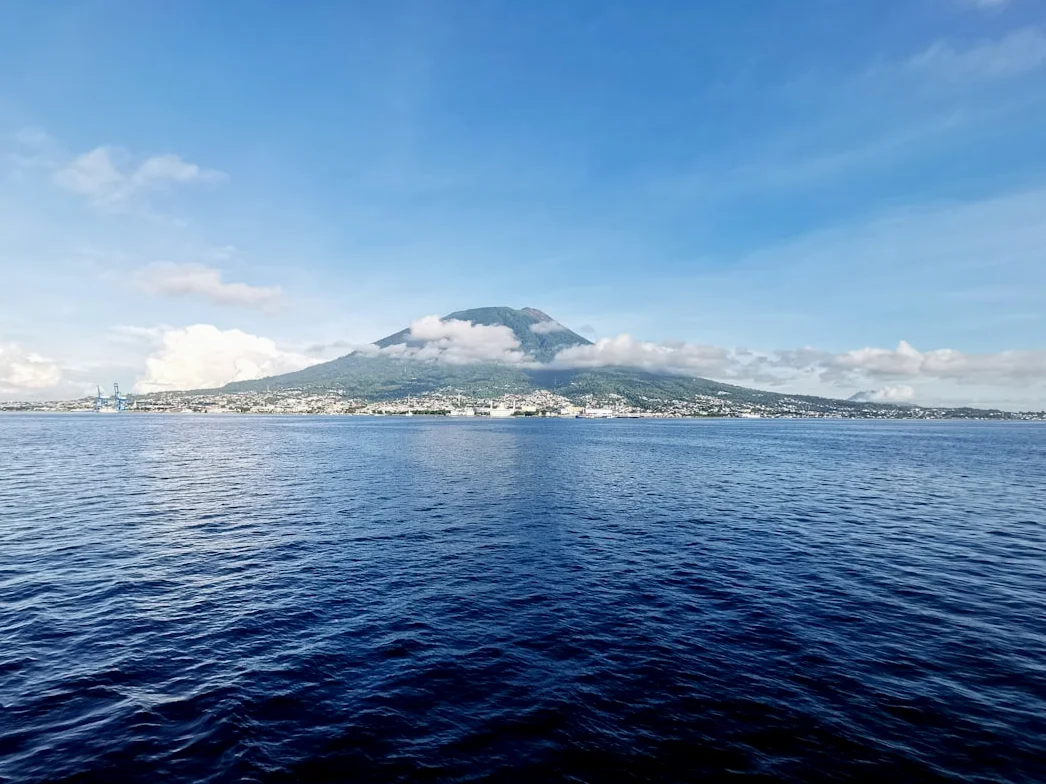
A magnitude 7.4 earthquake struck off the coast of Indonesia’s Ternate island, according to Al Jazeera, with the epicenter located in the Maluku Sea. The quake occurred on April 2. 2026, at 12:01 AM local time, triggering a tsunami warning for Indonesia, the Philippines, and Malaysia, as reported by the South China Morning Post. Authorities issued alerts across these regions, urging coastal residents to move to higher ground. The U.S. Geological Survey confirmed the quake’s magnitude, but no immediate reports of casualties or major damage were released.
The South China Morning Post noted that the Maluku Sea is a historically active seismic zone, with frequent tectonic activity due to the convergence of the Pacific and Australian plates. The earthquake was felt as far as Jakarta, approximately 1,000 kilometers away, according to residents and local media, though Indonesian disaster management officials activated emergency protocols, monitoring coastal areas for signs of a tsunami wave.
Tsunami Monitoring and Public Safety
According to Al Jazeera. The Indonesian Meteorological and Geophysical Agency (BMKG) issued a tsunami warning shortly after the quake, citing the potential for waves up to 1 meter in height. Similar warnings were issued for the Philippines and Malaysia, as the seismic waves could affect those regions; the warnings were lifted after several hours when no significant tsunami waves were detected, according to the South China Morning Post.
Local authorities in Ternate and surrounding areas urged residents to remain cautious and follow official updates. In the Philippines. The Philippine Institute of Volcanology and Seismology (PHIVOLCS) confirmed the quake and stated that no tsunami was expected to impact the country, based on current data. In Malaysia. The Malaysian Meteorological Department also confirmed that no tsunami threat was imminent, although coastal communities were advised to stay alert.
Historical Context and Regional Preparedness
According to the South China Morning Post, Indonesia is no stranger to earthquakes and tsunamis, with the 2004 Indian Ocean tsunami being one of the deadliest in history. Since then, the country has significantly improved its early warning systems and public preparedness, though the Maluku Sea, in particular, has seen several notable quakes, including a magnitude 7.8 earthquake in 2011 that triggered a small tsunami.
Al Jazeera reported that the current quake, while strong, did not reach the level of the 2011 event. However, the response from authorities and the public reflects the lessons learned from past disasters. The Indonesian government has invested heavily in tsunami warning systems, with over 1,000 sirens installed along the coast, and regular drills conducted to prepare communities for such events.
Residents in Ternate described the quake as a sudden and powerful tremor that lasted about 30 seconds. Some reported minor damage to buildings, but no major infrastructure failures. The local hospital confirmed it had received no reports of serious injuries. Meanwhile, in the Philippines, the Department of Science and Technology reiterated that the country’s tsunami warning system had functioned effectively, allowing for timely alerts to be issued to the public.
As the region continues to monitor for any secondary tremors or aftershocks, officials remain cautious but optimistic that the situation is under control. The South China Morning Post noted that while the quake was a reminder of the region’s vulnerability to seismic activity, the preparedness measures in place have significantly reduced the risk of a catastrophic outcome.






Comments
No comments yet
Be the first to share your thoughts