

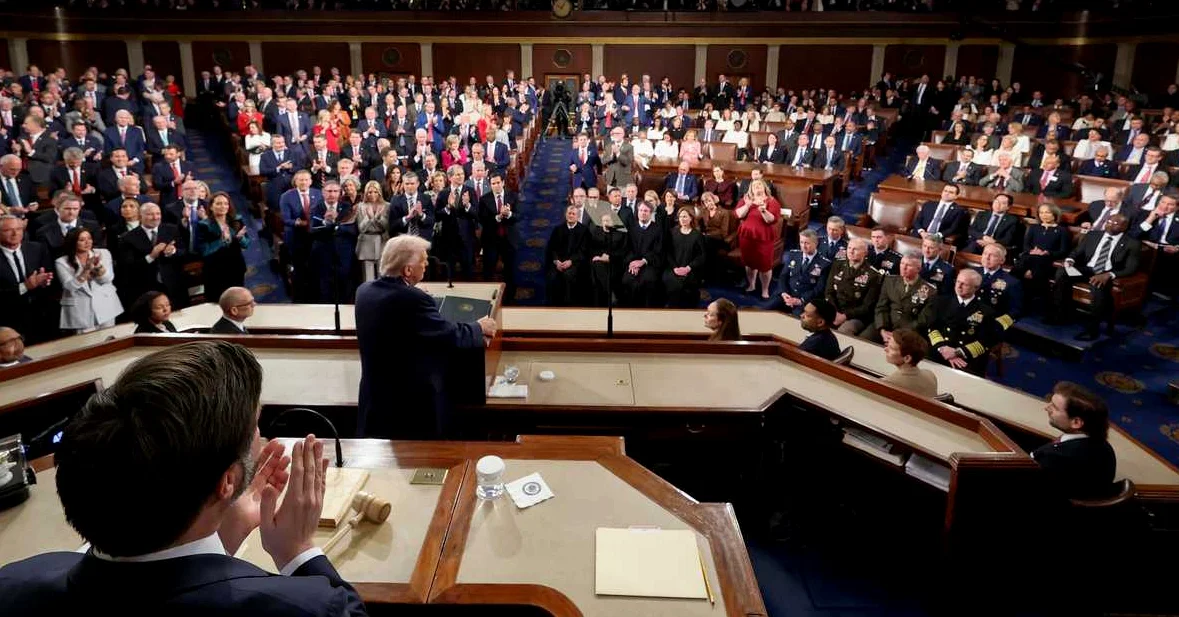
President Donald Trump’s State of the Union speech on February 26, 2026, did not explicitly include the phrase ‘Make America Healthy Again,’ but the underlying themes of health reform were clear. The address, which emphasized economic revitalization, border security, and American manufacturing, also included a strong focus on the health of the nation, particularly among younger generations.
Health as a Pillar of National Strength
The speech underscored the importance of health in building a strong nation. According to the administration, chronic diseases like obesity, Type 2 diabetes, and mental health disorders are not only public health concerns but also economic burdens that affect productivity and national security. ‘A sick country cannot be a strong country,’ said an administration official, highlighting the connection between health and national strength.
Childhood obesity has risen dramatically over the past two decades, with data from the Centers for Disease Control and Prevention (CDC) showing a 40% increase since 2000. Early-onset Type 2 diabetes, once rare, now affects more than 100,000 children and adolescents in the U.S., according to the American Diabetes Association. These numbers have prompted a reevaluation of national health policies.
Shifting Dietary Guidelines
The administration has proposed a significant shift in federal dietary guidelines, moving away from the 1990s-era food pyramid that emphasized carbohydrates and low-fat diets. Instead, the new approach focuses on whole foods, protein, and nutrient density. This shift is seen as a generational change in how Americans are advised to eat.
‘Supporting young Americans isn’t just about giving them better schools,’ said a White House spokesperson. ‘It’s about making sure their bodies and brains are healthy enough to take advantage of the opportunities we say we’re creating.’
The administration has also introduced a review of ultra-processed foods in federal meal programs, including school lunches and food assistance programs. Ultra-processed foods now make up more than 60% of the American diet, according to a 2025 study by the National Institutes of Health (NIH).
Cost Reduction Through Prevention
Lowering healthcare costs has been a consistent theme in the administration’s policies. According to the Congressional Budget Office (CBO), chronic diseases account for nearly 70% of all healthcare spending in the U.S. Conditions like diabetes, heart disease, and obesity complications are major contributors to rising healthcare costs.
‘You don’t reduce healthcare spending long term by negotiating drug prices alone,’ said Dr. Laura Kennedy, the Secretary of Health and Human Services. ‘You reduce it by reducing the number of people who need those drugs for life.’
The administration has taken a dual approach, combining efforts to make prescription drugs more affordable with a push for upstream prevention. This includes initiatives to improve nutrition, increase physical activity, and reduce exposure to environmental toxins that contribute to chronic illness.
The shift in regulatory approach is also notable. While the FDA has long operated under the assumption that approved foods are safe, the administration is now questioning why the U.S. has not adopted the same standards as other developed nations regarding food additives and dyes. ‘If other countries have moved away from certain additives, why haven’t we?’ asked a senior health advisor.
These changes are not without resistance. Some states have pushed back against federal efforts to regulate food additives, citing concerns over state sovereignty. However, the conversation has shifted, and the administration believes this will eventually lead to policy change.
The focus on preventive care also represents a cultural shift, moving away from the idea that chronic illness is solely a matter of personal responsibility. ‘If ultra-processed foods are cheaper than whole foods, and school programs prioritize shelf life over nutrition, that’s not just a personal failure. That’s systemic,’ said a health policy analyst.
The administration’s approach to health policy is seen as a long-term strategy to reposition American health from reactive to preventive. This includes reforms in healthcare delivery, incentives for healthy behaviors, and a focus on reversing the trajectory of chronic disease.
If these policies are implemented effectively, they could have a lasting impact on the nation’s health and economy. The administration believes that this shift could become one of the most consequential aspects of its governance, with potential benefits for future generations.
While the phrase ‘Make America Healthy Again’ was not spoken, the direction of the policies suggests that the vision is already in motion. As one White House official noted, ‘America is definitely back, baby.’






Comments
No comments yet
Be the first to share your thoughts