

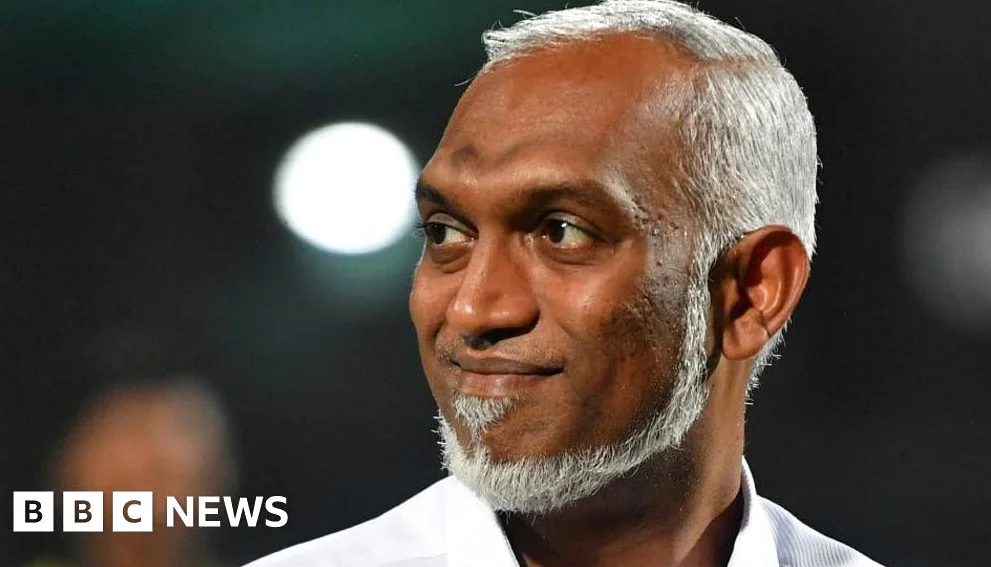
The Maldives has formally informed the United Kingdom that it does not recognize the recent agreement over the Chagos Islands, a disputed territory in the Indian Ocean. According to the BBC. The Maldives government stated that the deal, which involves the UK granting greater autonomy to the Chagos Archipelago, lacks legitimacy in the eyes of the island’s inhabitants and regional powers.
Historical Context of the Chagos Dispute
The Chagos Islands. A group of 60 islands in the Indian Ocean, have been a point of contention for decades. The UK has administered the territory since 1965, when it detached the islands from the then-territory of Mauritius to create the British Indian Ocean Territory (BIOT). The move was controversial. As the indigenous Chagossian population was forcibly removed to make way for a U.S. military base on Diego Garcia, the largest island in the archipelago.
According to the Maldives Foreign Ministry, the recent UK agreement to grant the Chagos Islands more self-governance fails to address the long-standing claims of Mauritius, which has consistently argued that the islands are an integral part of its territory. The Maldives has aligned itself with Mauritius on this issue, citing the importance of decolonization and self-determination.
“The Maldives has long supported the rights of the Chagossians and the sovereignty of Mauritius over the Chagos Islands,” said a spokesperson for the Maldivian government, adding that the UK’s deal is a “setback for international law and the principles of decolonization.”
Regional Reactions and Diplomatic Implications
The Maldives is not the only country to raise concerns about the UK’s agreement, but the United Nations has previously called for the Chagos Islands to be returned to Mauritius, and several African nations have echoed this stance. According to a report by Al Jazeera, the African Union has expressed its support for the Chagossians’ right to return to their homeland and has urged the UK to comply with international law.
Regional powers such as India and the United States have also weighed in on the issue — India has historically supported Mauritius on the Chagos dispute, while the U.S. has maintained a neutral stance, emphasizing its strategic interests in the region. The U.S. military base on Diego Garcia remains a key component of its Pacific operations, and any changes to the status of the islands could have implications for its military presence.
“The U.S. acknowledges the long-standing dispute over the Chagos Islands and encourages all parties to resolve the matter through peaceful and diplomatic means,” said a State Department spokesperson in a statement. However, the U.S. has not taken a firm position on the UK’s recent agreement.
Chagos Islanders’ Perspectives
For the Chagossians, the issue is deeply personal. Many were uprooted from their homes in the 1970s, with some never returning to the islands. According to a report by the Guardian, the Chagossian diaspora has been actively lobbying for their right to return, often through legal channels and international advocacy groups.
“We have been waiting for decades to return to our homeland. This agreement does not give us that right,” said Mohamed Ibrahim, a Chagossian living in the United States. Ibrahim is one of many who have been involved in legal battles against the UK and the U.S. over the status of the islands.
Maldivian officials have pledged support to the Chagossians in their fight for self-determination. “The Maldives stands with the Chagossians and believes that their right to return must be respected,” said Foreign Minister Aminath Shauna in a press conference.
UK’s Position and Future Steps
The UK has defended its recent agreement, stating that it aims to provide the Chagos Islands with greater autonomy while maintaining its strategic interests in the region. According to the UK’s Foreign Office, the deal includes provisions for the islands to have their own local government, but the UK will retain control over defense and foreign affairs.
“The UK is committed to working with the Chagos Islands to ensure their long-term stability and prosperity,” said a spokesperson for the UK government. However, critics argue that the deal does not address the core issue of sovereignty, which remains with Mauritius under international law.
What comes next is unclear. The Maldives’ rejection of the UK’s agreement may lead to increased pressure on the UK to revisit its stance. Meanwhile, the Chagossians and their supporters continue to push for their right to return and self-determination.
Why It Matters
The Maldives’ rejection of the UK’s Chagos Islands deal has significant implications for international law, regional stability, and the rights of the Chagossian people. The issue highlights the ongoing challenges of decolonization and the complexities of territorial disputes in the 21st century. It also shows the importance of respecting the rights of displaced populations and the need for peaceful resolution of disputes through diplomatic means.
The UK faces mounting pressure to address the concerns of the Maldives, Mauritius, and the Chagossian diaspora. The international community, including the United Nations and regional powers, will likely continue to monitor the situation closely. The Chagossians’ legal battles may also continue, with potential for further developments in international courts and diplomatic negotiations.
As the international community grapples with the issue of decolonization and self-determination, the future of the Chagos Islands remains uncertain. The Chagos Islands dispute is far from resolved, and the Maldives’ stance adds another layer of complexity to the situation.






Comments
No comments yet
Be the first to share your thoughts