

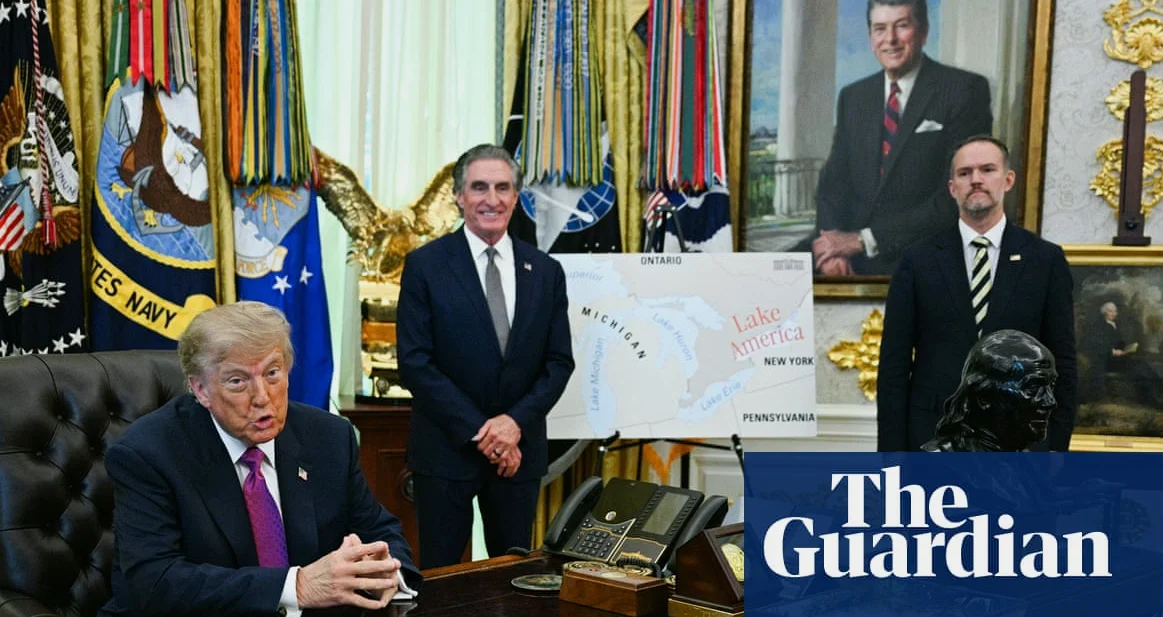
Canadian Prime Minister Mark Carney urged U.S. officials to “start being serious” about trade discussions as tensions between the two countries escalate. Carney made the remark days before Canada is set to impose retaliatory tariffs on $20 billion of American goods beginning September 8, in response to U.S. tariffs on Canadian imports. “It is beneath their office,” Carney said, criticizing U.S. officials for what he described as insults to Canada.
Escalating trade tensions
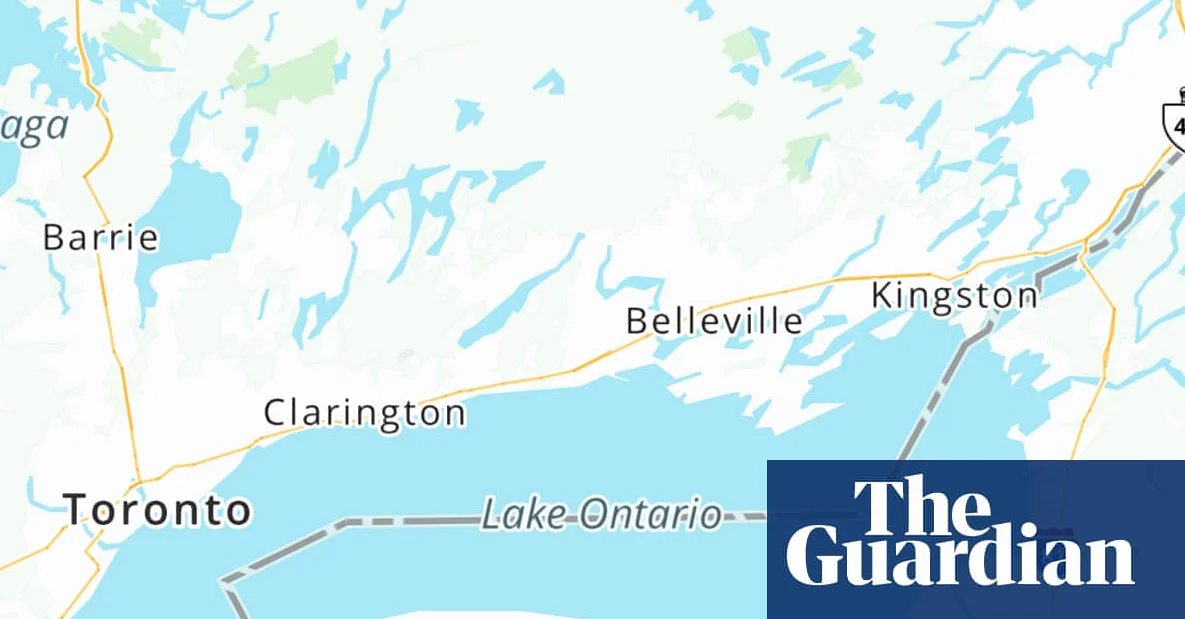
U.S. President Donald Trump signed an executive order last week directing the federal government to rename Lake Ontario as Lake America, a move that has drawn criticism from Canadians. Trump’s top trade negotiator, Jamieson Greer, has downplayed the impact of a potential trade war with Canada, suggesting the situation is more of an emergency for Canada than the U.S. “There are no negotiations happening on trade right now,” Greer told Politico, adding that it was unclear whether Canada wanted a deal.
The U.S. imposed 50% tariffs on $20 billion in Canadian goods following the collapse of trade talks last week; Canada, the U.S.’s second-largest trading partner, responded by announcing its own tariffs on American products. The retaliatory measures threaten to affect everyday items, putting pressure on U.S. consumers and businesses.
Trade war impacts on the Canadian dollar
Meanwhile, the Canadian dollar (CAD) remains under pressure amid the trade dispute, but the USD/CAD pair has traded around mid-1.3800s during the Asian session, maintaining a positive bias for the second consecutive day. However, analysts are cautious about extending the recent recovery, citing diverging economic forces.
Geopolitical tensions, particularly between the U.S. and Iran, also play a role in the CAD’s performance. U.S. Treasury Secretary Scott Bessent announced a campaign to isolate Iran from the global economy, warning that countries conducting business with Iran risk U.S. sanctions. In response, Iran’s Supreme National Security Council secretary, Mohsen Rezaei, warned that the Islamic Republic could halt oil exports through the Strait of Hormuz if economic pressure continues.
Global market concerns
Market analysts remain wary of the broader implications of the U.S.-Canada trade war; Inflation risks from volatile energy prices have led to speculation about a potential interest rate hike by the U.S. Federal Reserve in 2026. The U.S. dollar has gained strength due to its safe-haven appeal amid global uncertainties, including the U.S.-Iran tensions.
Despite a rise in crude oil prices,linked to the potential disruption of Iranian oil exports—the Canadian dollar remains vulnerable due to concerns over the trade war. The situation highlights the interconnected nature of global trade and how regional disputes can ripple across international markets.




Comments
No comments yet
Be the first to share your thoughts