

WASHINGTON — Mexico and Canada dodged a fresh 10% U.S. tariff on imports after the White House confirmed exemptions for goods qualifying under the U.S.-Mexico-Canadian Agreement. The clarification came hours after President Trump declared the levy under a separate law, on the heels of a Supreme Court decision invalidating many of his earlier tariffs imposed via the International Emergency Economic Powers Act.
Prior to the ruling, non-USMCA goods from Canada faced 35% duties, while Mexico’s were hit with 25%. The exemption drops effective tariff rates for both nations. Desjardins economist Royce Mendes pegged Canada’s pre-ruling average at 3.7%. For Mexico, Grupo Financiero Base estimated 4.4%. New rates will dip slightly lower, officials said.
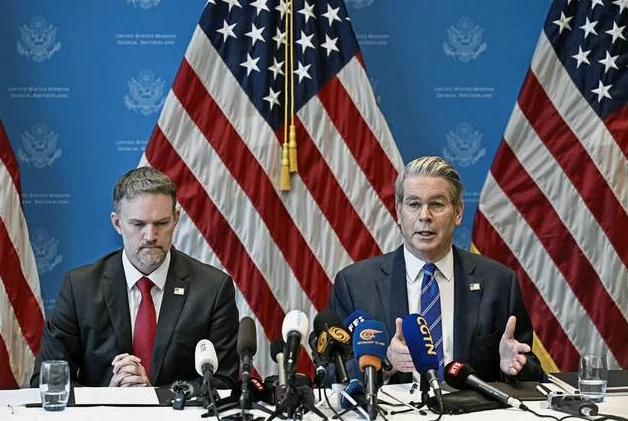
U.S. Trade Representative Jamieson Greer addressed the carve-outs during a May 12, 2025, news conference in Geneva alongside Treasury Secretary Scott Bessent. Greer stressed the administration’s push for ‘continuity’ as the tariff order kicks in Feb. 24, coinciding with Trump’s State of the Union address. The exemptions shield tariff-free flows of Canadian and Mexican oil, plus vital auto parts and other manufacturing inputs.
Trump vented frustration over the court’s block on his preferred tariff tool. He cited U.S. automotive job losses during the Geneva event, blaming Mexico, Canada, Japan and Germany for undercutting American car production. ‘We used to make cars. We made all the cars,’ Trump said.
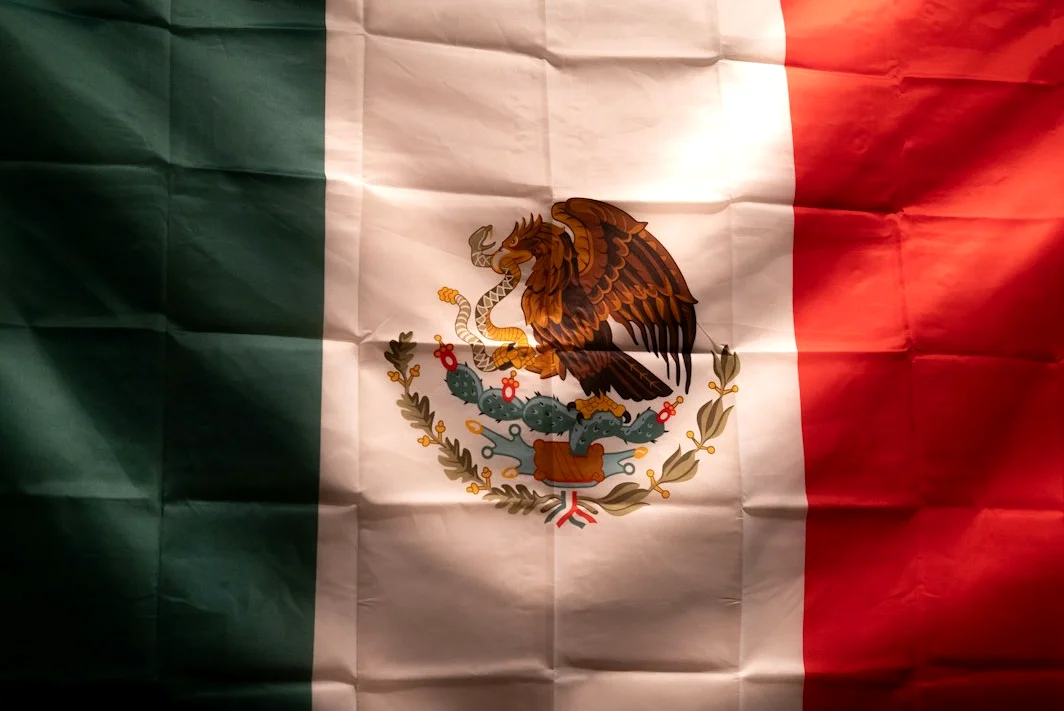
Mexican Economy Minister Marcelo Ebrard responded cautiously. He plans calls to Washington counterparts and a U.S. trip next week to tackle trade frictions. Canada’s Dominic LeBlanc, minister for U.S. trade, called the ruling validation that IEEPA tariffs were ‘unjustified.’ Ottawa offered no further comment.
Punitive duties persist on steel, aluminum and autos under Section 232 of U.S. trade law. Trump directed Greer’s office to launch Section 301 probes, per a White House fact sheet. Those require hearings and input from affected parties.
Trade lawyer Barry Appleton, who has advised Ontario and British Columbia, framed it bluntly: ‘The president didn’t lose his use, he just lost a lever.’ Appleton predicts ‘weaponizations’ of other tools, sidestepping Congress.
Experts see peril for USMCA, signed in Trump’s first term and due for review this year. Diego Marroquin, a fellow at the Center for Strategic and International Studies in Washington, warned the administration holds a ‘huge arsenal’ of trade weapons. Expanding Section 232 could ensnare more exports, he said. Bloomberg reported Trump privately questioning the pact’s necessity.
Marroquin called the tariff push ‘putting more wood to the fire,’ complicating USMCA renewal even for compliant partners. Ending the deal would hammer Mexico and Canada, whose economies lean heavily on U.S. trade. Mexico sends over 80% of its exports north; Canada about 75%.
Trump champions tariffs for economic protection and foreign policy clout. The Supreme Court loss hasn’t dimmed his resolve. Mexican and Canadian officials brace for fresh tactics as the Feb. 24 deadline nears.



Comments
No comments yet
Be the first to share your thoughts