

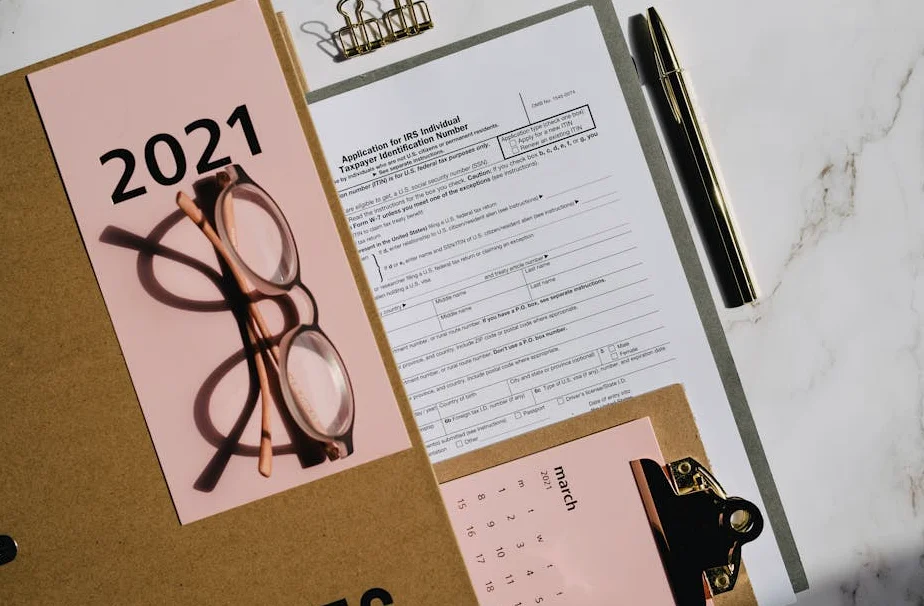
According to a survey from Invoice Home, 37% of American taxpayers said they would consider using artificial intelligence (AI) to file their taxes in 2026 rather than hiring a tax professional. This figure represents a 14% drop from 2025, but it indicates that people are willing to outsource their tax responsibilities to avoid paying for professional help.
Common Mistakes That Could Lead to Penalties
While it could make sense to file your taxes on your own or with the help of AI, you don’t want to make expensive mistakes that could hurt your return. The following are tax hacks that could backfire on middle-class earners this tax season.
Ruth White, enrolled agent (EA) and chief financial officer of White Sands Tax Services, said middle-class earners often get tripped up by something they saw on social media. This means they end up claiming credits they don’t actually qualify for, which can lead to an IRS letter or even a penalty.
White emphasized that while it can be enticing to seek out creative tax hacks, they could end up hurting your return. ‘People keep trying to write off their home office just because they work from home, but if you’re an employee, that’s not allowed,’ she explained.
Home Office Deductions and Commute Mileage
As with the home office, many middle-class earners may be tempted to treat their commute to work as business mileage, but this isn’t accurate. You don’t want to get caught making this tax mistake because you’ll have to deal with possible issues.
White also noted that payment apps can cause confusion because many taxpayers think that if they don’t get a 1099-K, they don’t owe tax or they panic when they do get one because it shows the total money in, not what they actually made after costs.
You don’t want to ignore payment apps, and it’s crucial that you gather all of your income-related documents before filing your taxes this year. ‘It’s important to be aware of what you’re actually earning and what expenses you have,’ White said.
Hobby Losses and Business Deductions
Another hack that could backfire is treating a hobby or side gig as a business just to write off losses against your W-2 job. White emphasized that if you can’t actually show you’re trying to make a profit, the IRS will shut it down fast.
‘It may feel like a clever idea to claim a hobby as something more, but it’s not worth the possible consequences if you get audited and get stuck with paying penalties for a mistake that could’ve been avoided,’ she added.
White said the safest move is to keep it boring and only claim what you can actually prove, keep your paperwork together and don’t try anything you can’t really explain without referencing some TikTok video.
The IRS has been cracking down on improper deductions and tax evasion in recent years, with the number of audits increasing slightly in 2023. According to the IRS, the audit rate for individual taxpayers was 0.5% in 2023, up from 0.4% in 2022.
Experts say that as more people turn to AI for tax filing, the risk of making mistakes could increase. ‘People need to be cautious and ensure they understand the rules before trying to use any new tax strategies,’ White said.
The IRS has also warned that improper use of deductions can lead to significant penalties. In 2023, the IRS reported that over $1.2 billion in penalties were issued for tax evasion and improper deductions, up from $950 million in 2022.
With the 2026 tax season approaching, experts are urging taxpayers to double-check their deductions and ensure they are eligible for any credits they claim. ‘It’s better to be safe than sorry,’ White said. ‘Make sure you have all the documentation and know exactly what you’re claiming.’






Comments
No comments yet
Be the first to share your thoughts