

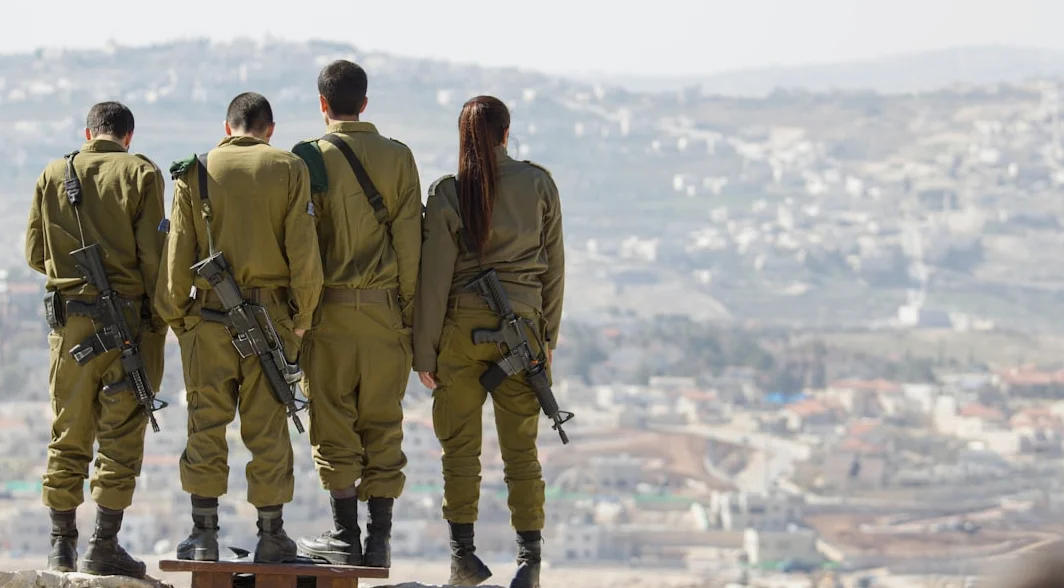
Israeli Military Strikes on Iran
According to The Guardian, Israel has carried out ‘extensive strikes’ on Iran, with Trump claiming that Iran’s Kharg Island was ‘demolished’ and threatening further strikes ‘just for fun.’ The Israeli military’s actions have intensified the already volatile situation in the Middle East, with both sides exchanging accusations and counter-accusations.
Japanese officials told NHK that the situation in the Middle East is deteriorating rapidly, with concerns about the potential for a broader regional conflict. The Japanese government is closely monitoring the situation and considering additional measures to ensure the safety of its citizens in the region.
According to The Times of India, the U.S. Embassy in Riyadh was bombed, and Saudi Arabia confirmed a drone strike that caused explosions in the capital. This incident has raised fears of further escalation in the conflict, with multiple countries expressing concern over the potential for a wider war.
Trump’s Comments and U.S. Stance
President Trump has been vocal about his stance on the conflict, stating that the U.S. is ‘not ready’ to make a deal to end the war. His comments have been met with mixed reactions, with some praising his strong stance on Iran and others criticizing his approach as too aggressive.
According to The Guardian, Trump has compared his foreign policy to a Dolly Parton song, suggesting a unique approach to handling international relations. His comments have also included threats against Iran, with reports indicating that he has been considering further military actions in the region.
U.S. officials have been working to assess the situation and determine the next steps, with a focus on ensuring the safety of American citizens and interests in the Middle East. The administration is also considering potential diplomatic solutions to de-escalate the conflict.
Global Reactions and Regional Impact
According to асіаекономі, South Korea has been actively involved in the crisis, with the Blue House considering a supplementary budget if additional funding is needed due to the Middle East crisis. The government has also coordinated with other countries to ensure the safe return of its citizens from the region.
Japanese officials have confirmed that a military transport aircraft was used to repatriate 211 people, including 204 South Koreans, from Saudi Arabia. This move highlights the growing concern over the safety of citizens in the Middle East and the need for increased coordination among nations.
According to асіаекономі, the South Korean government has been working closely with the U.S. and Japan to address the energy security concerns arising from the crisis. This includes efforts to strengthen supply chains and ensure a stable energy supply for the region.
Economic and Energy Implications
The crisis has had significant economic implications, with reports indicating that energy prices have been affected by the instability in the Middle East. According to асіаекономі, countries in the Indo-Pacific region have been collaborating to enhance energy security and stabilize the supply chain.
According to The Times of India, the U.S. Embassy bombing in Riyadh has raised concerns about the safety of diplomatic personnel and the potential for further attacks. This has led to increased security measures and a reassessment of diplomatic strategies in the region.
The economic impact of the crisis is expected to be long-lasting, with potential effects on global trade and energy markets. Countries are now focusing on finding alternative energy sources and strengthening their supply chains to mitigate the risks associated with the ongoing conflict.
Future Outlook and What’s Next
The future outlook for the Middle East crisis remains uncertain, with both sides continuing to engage in military and diplomatic actions. The situation is likely to remain volatile, with the potential for further escalation if a resolution is not reached soon.
According to The Guardian, the international community is closely watching the developments and considering possible interventions to prevent further conflict. The focus is on finding a diplomatic solution that can de-escalate the situation and bring about a lasting peace.
What’s next for the region will depend on the actions of all involved parties, including the U.S., Iran, Israel, and other regional actors. The international community is urging for dialogue and cooperation to address the underlying issues and prevent further violence.






Comments
No comments yet
Be the first to share your thoughts