

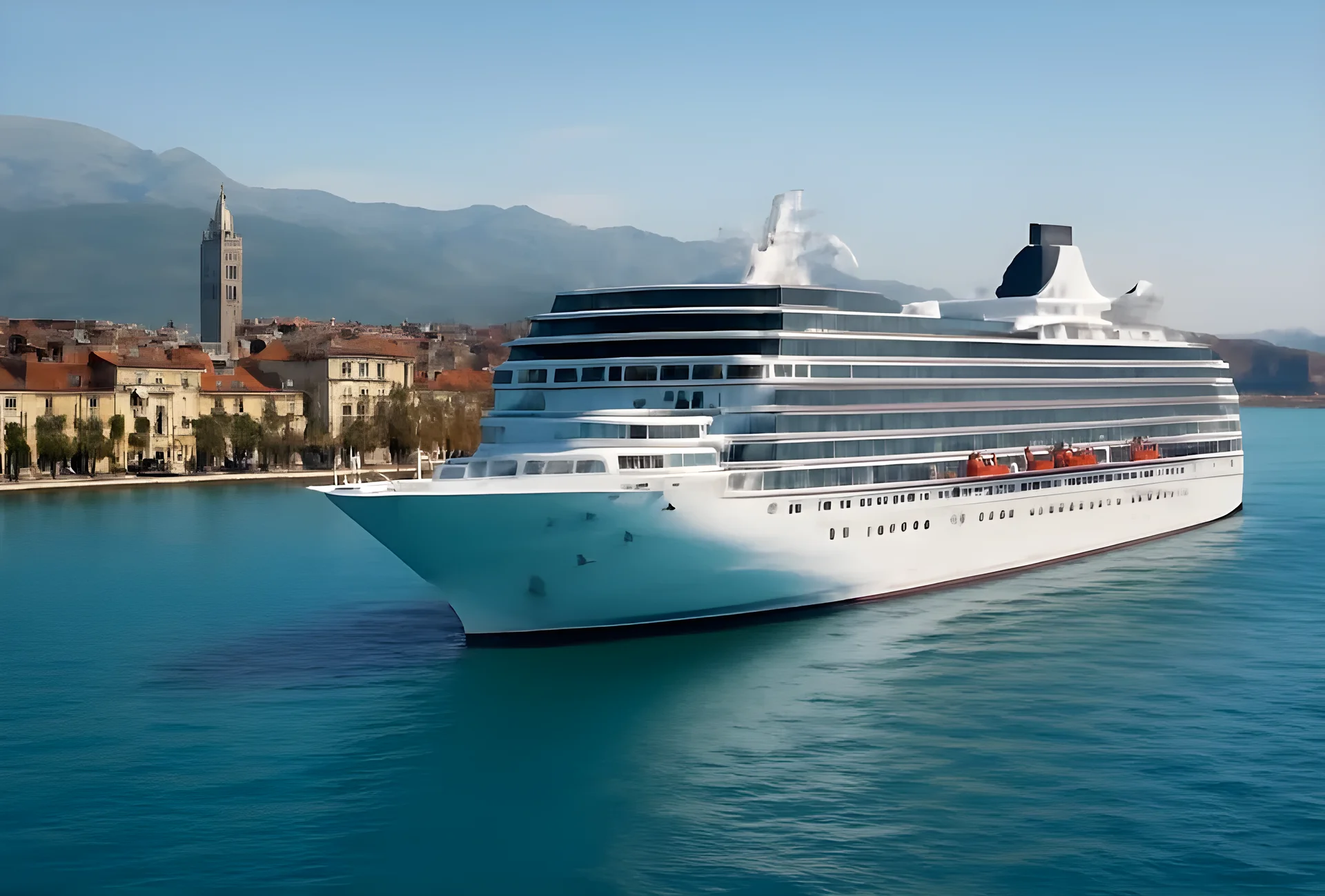
Cruise travelers in the Persian Gulf are encountering significant disruptions as rising regional tensions and heightened maritime security alerts have forced several ships to remain in port. Popular destinations such as Abu Dhabi, Dubai, and Doha have temporarily halted departures, leaving passengers in limbo while cruise lines evaluate the safety of continuing operations in the region.
Strait of Hormuz: A Critical Waterway Under Scrutiny
The primary factor behind the cruise itinerary changes is the increased security risk in the Strait of Hormuz, a vital waterway connecting the Persian Gulf to the Gulf of Oman. Recent geopolitical tensions have led to temporary restrictions on shipping traffic, prompting cruise lines to adjust routes in accordance with safety guidelines from national and international maritime authorities.
Cruise operators are prioritizing passenger and crew safety, implementing route modifications to comply with official advisories. These adjustments aim to maintain operational standards while minimizing exposure to potential risks. Travel experts are urging passengers to monitor updates from cruise lines and official maritime authorities to stay informed about itinerary changes.
Cruise Lines Respond to Disruptions
Major cruise companies operating in the Middle East are actively addressing the situation. Ships that cannot depart are offering passengers onboard activities and amenities to mitigate the impact of delays. Additionally, cruise lines are providing flexible rescheduling options for affected itineraries, allowing travelers to adjust their plans as needed.
Travel industry experts emphasize the importance of cruise operators’ preparedness in managing unexpected disruptions. Passengers are advised to maintain direct communication with their cruise lines to ensure that itinerary modifications, port changes, or rerouted voyages are clearly communicated and safely managed.
According to the International Cruise Lines Association, over 40% of cruise itineraries in the Persian Gulf have been affected by recent security alerts, with some ships experiencing delays of up to 48 hours. This has led to a noticeable increase in customer service inquiries and rescheduling requests from affected passengers.
Travel Advisories and Safety Recommendations
Governments worldwide have issued travel guidance for tourists planning voyages through the Persian Gulf. Cruise passengers are advised to remain alert and follow instructions from official sources. It is strongly recommended to purchase travel insurance covering itinerary changes due to geopolitical factors.
Travelers should also ensure that all essential documents, such as passports and visas, are up-to-date and accessible. Keeping abreast of government advisories ensures that tourists can make informed decisions and take necessary precautions while handling cruise disruptions.
According to the U.S. Department of State, travelers to the Persian Gulf are advised to exercise increased caution due to the potential for sudden changes in maritime security conditions. The department has issued a level 2 travel advisory, urging travelers to monitor updates from local authorities and their cruise lines.
Tourists experiencing delays should consider alternative strategies to minimize stress and maximize safety. First, confirm all bookings directly with the cruise line. Second, check insurance coverage for cancellations or rerouting. Third, prepare alternative travel options for leisure activities at available ports.
Many destinations along the Gulf, including Abu Dhabi and Dubai, offer rich cultural and leisure experiences such as museums, markets, and desert excursions. These options provide a way to enjoy the region even when cruise schedules are interrupted.
Abu Dhabi offers iconic attractions like the Sheikh Zayed Grand Mosque, luxurious shopping, and cultural tours. Dubai provides world-renowned landmarks, entertainment experiences, and vibrant markets. For those docked in Doha, the Museum of Islamic Art and local souks provide excellent opportunities for exploration.
Taking advantage of these ports allows travelers to enjoy the Middle East safely and adds an unexpected dimension to their cruise experience. Even in the face of disruptions, the region’s cultural and scenic richness remains accessible to those willing to adapt their plans.
Looking ahead, tourists should consider flexible bookings and alternative routing when planning future Arabian Gulf cruises. Cruise seasons often extend into spring, but passengers should remain mindful of potential geopolitical developments.
Choosing operators with clear safety protocols and rerouting options ensures a smoother experience. By combining careful planning with local exploration, travelers can enjoy the cultural and scenic richness of the Middle East even during periods of uncertainty.
The Persian Gulf situation highlights the importance of flexibility, awareness, and proactive planning for global tourists. Cruise passengers should follow official advisories, maintain communication with cruise lines, and ensure that travel insurance is adequate.
While disruptions can be inconvenient, understanding the context and preparing for alternatives can turn delays into valuable experiences. By staying informed and prioritizing safety, travelers can continue to explore the Middle East with confidence.






1 Comment