

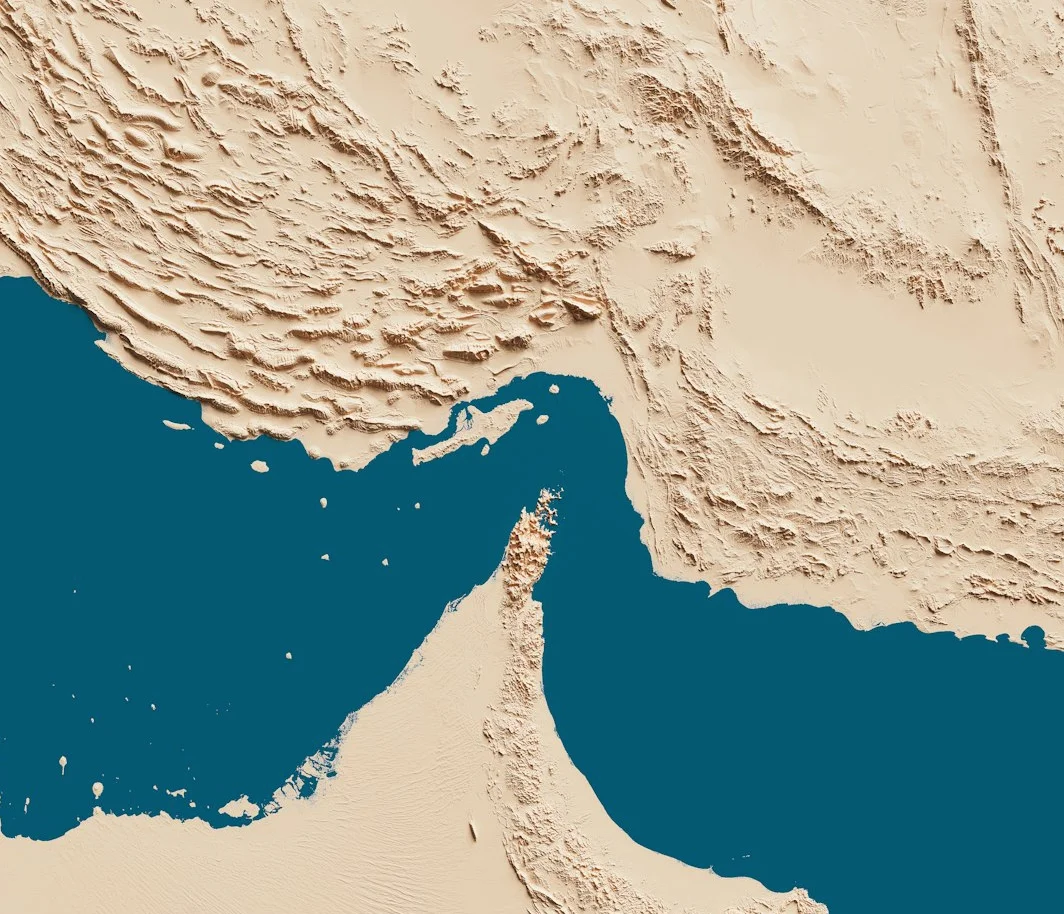
Brent crude, the global oil benchmark, rose 3.36% on Wednesday and settled at $101.21 per barrel, according to CNN, as it was the first time since July that Brent exceeded $100 per barrel and marked its highest closing level since May 22. US crude oil also rose 3.25% to settle at $96.05 per barrel, its highest closing level since May 22.
Strait of Hormuz Tensions
The surge in oil prices followed renewed conflict in the Middle East, including the US striking Iranian oil tankers in the Gulf of Oman and near Kharg Island, a critical hub for Iran’s oil exports, according to CNN. The US Central Command said the strikes occurred in response to attempted ballistic missile attacks on a US Navy warship. On the same day, Iran-backed Houthi rebels attacked Saudi Arabia, targeting oil and other infrastructure, prompting Saudi-led forces to vow a response after dozens of civilians were injured.
Concerns over oil tanker traffic through the Strait of Hormuz have been a key driver of market anxiety. According to the Seoul Economic Daily, Gulf states are discussing a solution for passage through the Strait of Hormuz directly with Iran, which led to a temporary easing of oil prices as the news emerged. However, the long-term outlook remains uncertain as tensions persist.
Global Market Reactions
Higher oil prices have started to ripple through global markets; In Europe, indexes edged lower on Wednesday as tensions pushed oil higher, though the pan-European Stoxx 600 fell 0.25%, with London’s UKX down 0.02%, Germany’s DAX down 0.41%, and France’s CAC down 0.52%, according to TradingView. Industrial production in France fell 0.4% month-over-month in July, while producer prices in Norway soared by 30.1% year-over-year in August.
In Asia, the Hang Seng index in Hong Kong ended the session in negative territory as rising oil prices stoked fears of deeper energy supply disruptions. The index slipped 0.17% to close at 25,274, extending its losing streak to a third session. Investors are now watching for major central bank decisions, including the US Federal Reserve’s policy meeting, as concerns grow over how policymakers will respond to rising energy costs and renewed inflationary pressures, according to TradingView.
Impact on Inflation and Central Banks
The rise in oil prices has pushed up the cost of oil products like gasoline and diesel, increasing the burden on consumers and central banks, as Brent and US crude are each up more than 65% this year, according to CNN. In China, factory-gate inflation accelerated in August, and consumer price growth also increased, even though domestic demand remains subdued, according to TradingView; BofA Securities lowered its 2027 and 2028 growth forecasts for China to 4.2% and 4.0%, respectively, while keeping its 2026 forecast at 4.5%.
In the US, the Producer Price Index (PPI) exceeded expectations in August, with an annual increase of 5.4%, according to tmgm.com. This has led traders to price in a more hawkish Federal Reserve, with the CME FedWatch Tool showing a nearly 70% chance of a 25-basis-point rate increase at the September meeting. In the UK, the Bank of England is expected to keep interest rates unchanged at its September 17 meeting despite ongoing inflation concerns.





Comments
No comments yet
Be the first to share your thoughts