

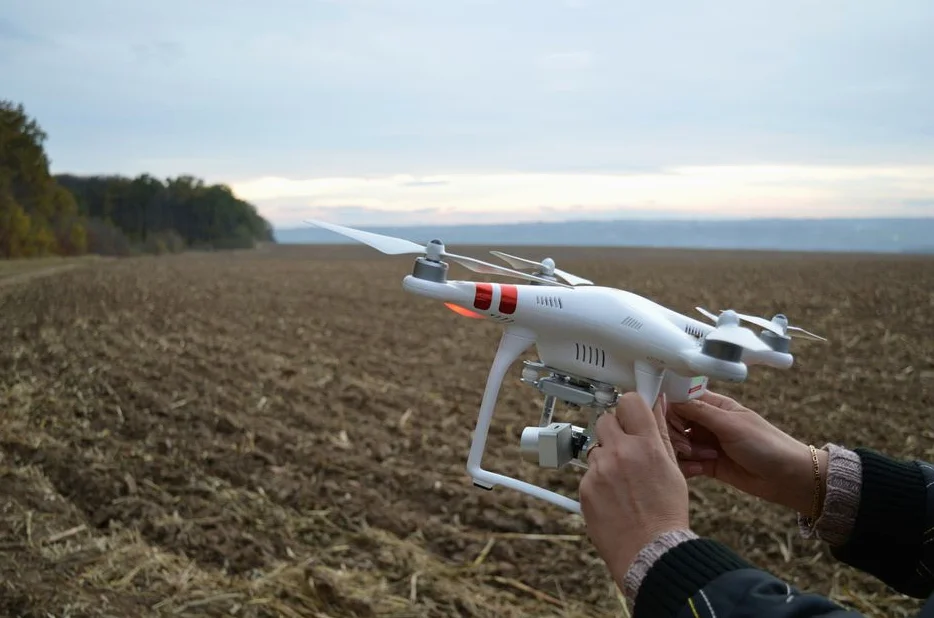
According to the Financial Times, the latest iterations of Shahed drones developed by Russia, such as the Geran-4 and Geran-5, have evolved from their Iranian predecessors. The Geran-4 is described as more aerodynamic, while the Geran-5 can be deployed from Russian Sukhoi-25 fighter jets, aircraft purchased by Iran in 2025 — Both models include thermal vision, AI-powered targeting, Russian anti-jamming antennas, and Chinese mesh radio network modems, according to the report.
Increased Deployment and Casualties in Ukraine
According to La Vanguardia, the Russian military has deployed over 800 of these new drone models in just four days, significantly intensifying the bombardment of Kyiv and surrounding areas. In the past six days alone, more than 50 people have been killed, including 12 deaths on Tuesday. The most lethal incident occurred at a munitions depot near the capital, which resulted in 38 fatalities after several explosions. The increased speed and remote operation of the drones make them harder to intercept.
Ukrainian President Volodymyr Zelensky has accused Russia of supplying Iran with Shahed drones to use against U.S. and Israeli interests, stating it is “100% facts” that Iran has used Russian-made Shaheds in such attacks, according to a report from the Jerusalem Post. These attacks have also caused severe disruptions in Kyiv’s daily life, with businesses closing and public transport halting, particularly over the Dniéper River, which divides the city.
Shahed Drones Challenge U.S. Military Assets
In a notable incident over the Strait of Hormuz, an Iranian Shahed drone reportedly brought down a 25-million-dollar U.S. AH-64 Apache helicopter, according to WinFuture. The drone cost only 35,000 dollars, highlighting the asymmetry in the conflict. Both pilots were rescued unharmed after the Apache made a controlled water landing. While standard Shahed models primarily target stationary objects, modified versions with Russian sensor technology may be capable of engaging more complex targets.
According to Vietnam.vn, U.S. officials later confirmed that the AH-64 Apache was downed during an encounter with a drone, likely a Shahed model. The incident raised questions about how a relatively low-cost, one-way drone could disable a high-tech helicopter. The Apache was not fully destroyed, and its ability to land safely on water suggests the attack was not a direct collision but rather a calculated strike using upgraded drone technology.
Global Strategic Implications
The Mitchell Institute for Aerospace Studies conducted a three-day wargame in June 2026, simulating military scenarios in 2036. According to meta-defense.fr, the exercise involved 70 participants from the U.S. Air Force, seven allied air forces, and industry experts. The wargame concluded that current U.S. military resources would be insufficient to handle simultaneous conflicts in Europe, the Pacific, and North America. The simulation included F-47, F-35A, F-15EX, B-21, B-52 bombers, E-7A, refueling aircraft, and collaborative combat aircraft (CCA), but even with these resources, teams struggled to maintain air superiority and defend multiple fronts without making difficult strategic choices.






Comments
No comments yet
Be the first to share your thoughts