

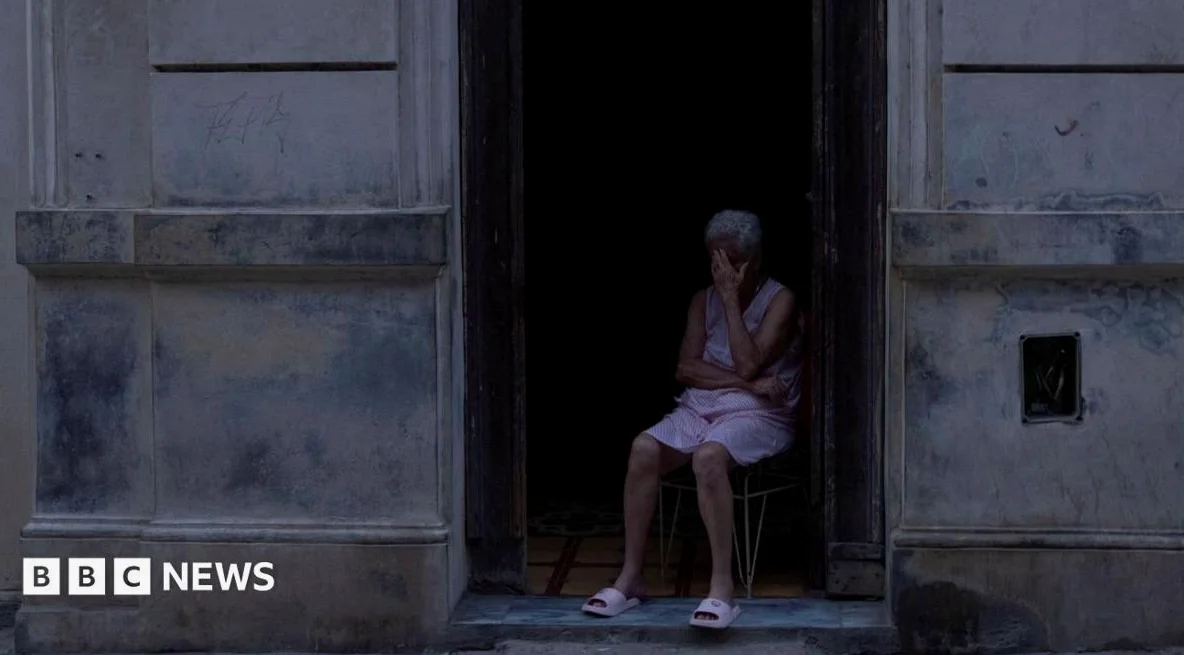
Millions of Cubans remain without electricity after a nationwide blackout that began on Friday and has continued into Monday, according to the state-run Cuban National Electrical Union (UNE). The collapse of the power grid has been attributed to fuel shortages and aging infrastructure, with officials citing U.S. sanctions as a key factor in the crisis. The repeated blackouts have sparked rare public frustration, with some residents taking to the streets in protest.
Blackout Timeline and Infrastructure Challenges
The blackout began when the Antonio Guiteras power plant near Matanzas failed at around 11 a.m. on Friday, triggering a chain reaction that left the entire island without power. By Monday afternoon, UNE reported that power had been restored to 89.3 percent of Havana, while However, many other regions still lacked electricity, with UNE experiencing four grid collapses in 48 hours over the weekend. Each time, power was partially restored before the system failed again.
Cuba’s energy system relies heavily on imported fuel, with Venezuela previously supplying about half of its oil needs through 35,000 barrels of daily shipments; that flow was cut off after the U.S. imposed sanctions and took steps to block fuel deliveries to Cuba. As of 2023, Cuba was producing only about 40 percent of the oil it consumed, according to the International Energy Agency, leaving it increasingly dependent on external suppliers.
U.S. Sanctions and Cuban Government Response
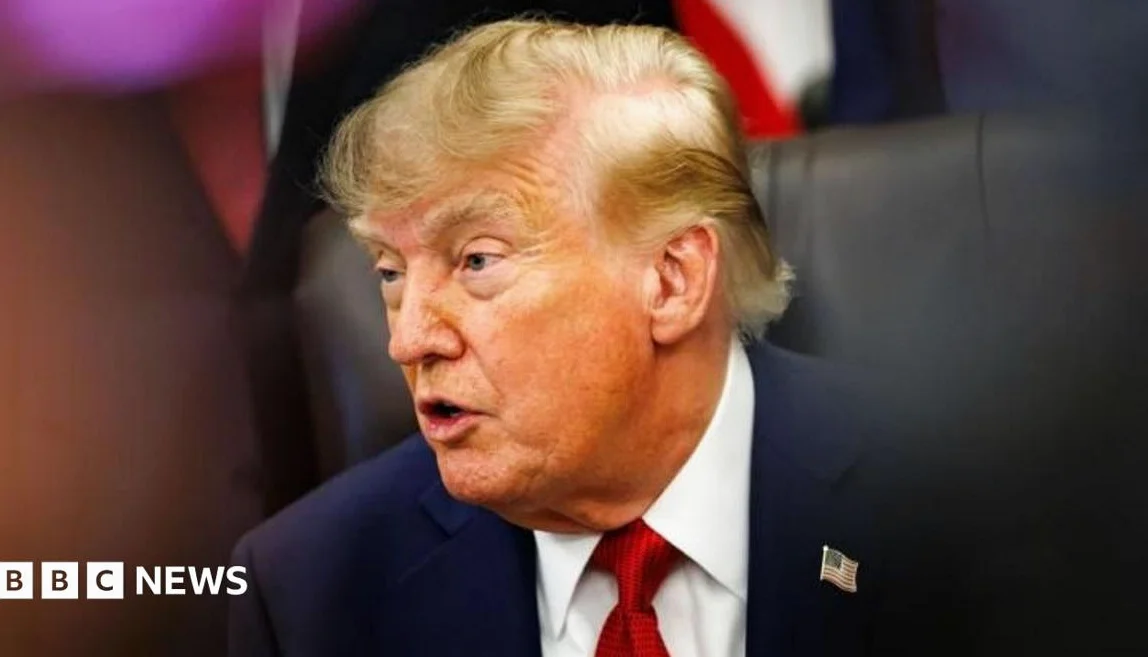
The Cuban government has blamed the U.S. for the fuel crisis, citing the Trump administration’s sanctions and its pressure on third-party countries to stop oil shipments to Cuba. U.S. President Donald Trump has also threatened tariffs on countries that continue to send oil to Havana, and some shipments have already been seized by the U.S. Washington, however, attributes the crisis to poor internal management by the Cuban government, which it accuses of creating a “national security threat.”
Energy and Mines Minister Vicente de la O Levy stated that the fuel shortage is the primary cause of the grid collapse, while In response, the government has implemented emergency measures to reduce electricity consumption and stabilize the grid. Prime Minister Manuel Marrero Cruz emphasized the need for immediate action, while U.S, but Ambassador to the UN, Michael Waltz, urged Cuba’s leadership to “change your ways and turn the lights back on for your people.”
Public Frustration and Protests
The blackouts have led to growing public frustration, with some residents expressing concern over the lack of basic services, though “It’s one thing after another: no water, no gas for cooking, no electricity,” said 36-year-old schoolteacher Lidia Fernandez. Francisco Rodriguez, 78, said his home had been without power for 28 hours and feared a prolonged outage — In Havana, scattered protests occurred last week as residents demanded electricity, banging pots and pans and chanting slogans.
Cuba’s government has cracked down on unauthorized demonstrations, which are illegal under the country’s laws. Those who participate risk arrest. Despite the risks, the frequency of blackouts has led to more public dissent, with some Cubans openly criticizing the government’s inability to manage the crisis.

Comments
No comments yet
Be the first to share your thoughts