

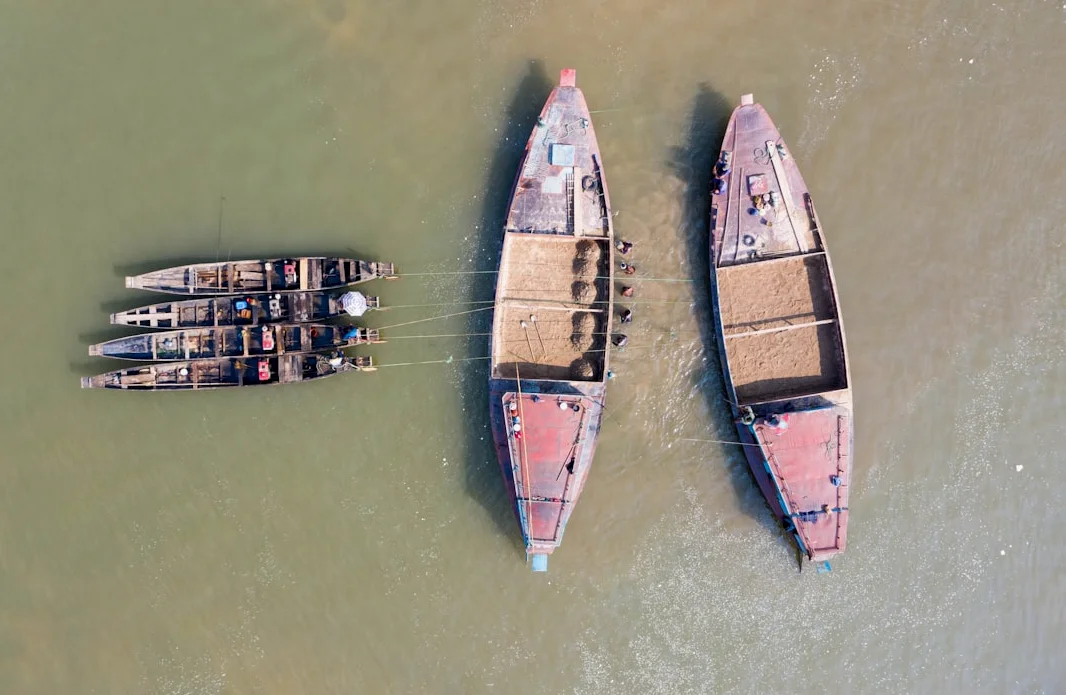
Two aid boats that had gone missing during a humanitarian mission have been confirmed to have arrived safely in Cuba after being located by the Mexican navy. According to reports from NBC News. The Los Angeles Times. And the Spanish-language outlet elciudadano.com, the vessels were carrying supplies intended for communities in need on the island; the incident has drawn attention from international media and raised questions about the challenges of maritime aid delivery in the region.
Location and Timeline of the Incident
The aid boats were reported missing on March 25, 2025, after departing from a port in Mexico with humanitarian supplies. The Mexican navy confirmed that they located the vessels on March 27, 2025, and assisted in their safe arrival in Cuba. According to the Los Angeles Times. The boats were carrying approximately 2. 000 kilograms of food and medical supplies, intended for distribution in rural areas of Cuba, while the Mexican navy released a statement confirming that the boats were in good condition and that the crew was unharmed.
Elciudadano.com reported that the boats were flagged as Mexican and had been sailing under the auspices of a non-governmental organization focused on international aid. The organization. Which has not been named publicly. Confirmed that the supplies were meant to support communities affected by recent economic challenges in Cuba. According to the report, the boats had been en route for nearly a week before being reported missing.
According to NBC News, the Mexican navy used satellite tracking and communication systems to locate the boats. The operation to bring the vessels to shore was conducted without incident, and the Mexican authorities expressed relief that no lives were lost. The navy emphasized that the incident highlights the importance of maritime coordination in humanitarian efforts.
Humanitarian Context and Reactions
The arrival of the aid boats in Cuba comes amid ongoing discussions about the need for international support for the island’s population, which has been grappling with economic difficulties in recent years. According to the Los Angeles Times, the supplies are part of a broader initiative by several nations to provide humanitarian assistance to Cuba, particularly in areas affected by food shortages and medical supply constraints.
Elciudadano.com reported that local Cuban officials welcomed the arrival of the aid boats and expressed gratitude for the international support. A spokesperson for the Cuban Ministry of Foreign Affairs stated, ‘We are deeply appreciative of the international community’s efforts to assist our people in times of need.’ The spokesperson added that the supplies would be distributed to the most vulnerable communities in the eastern part of the country.
According to NBC News, the incident has also sparked discussions in the United States about the role of private and non-governmental actors in humanitarian aid. Some U.S. lawmakers have called for increased support for international aid initiatives, while others have raised concerns about the safety of maritime operations in the region.
International Implications and Coordination
The successful location and recovery of the aid boats have been cited as a success story in international maritime coordination. According to the Los Angeles Times, the Mexican navy worked closely with the U.S. Coast Guard and other regional maritime agencies to track the boats. The collaboration is seen as a model for future humanitarian missions in the Caribbean and Gulf of Mexico regions.
Elciudadano.com noted that the incident has also raised awareness about the risks faced by humanitarian workers and volunteers who rely on maritime routes to deliver supplies. The organization reported that several other aid vessels have been reported missing in the region in recent months, prompting calls for improved safety measures and tracking systems.
According to NBC News, the U.S. State Department has acknowledged the incident and emphasized the importance of continued international cooperation in humanitarian efforts. A spokesperson for the department said, ‘We are pleased to see that the aid boats have been located and that the supplies are now in the hands of those who need them most.’ The spokesperson added that the U.S. remains committed to supporting humanitarian initiatives in the region.
What’s Next for Humanitarian Aid in the Region
The successful recovery of the aid boats has set a precedent for future humanitarian operations in the region. According to the Los Angeles Times, several organizations are already planning additional missions to deliver supplies to Cuba and other nearby countries. The Mexican navy has stated that it will continue to monitor the region for any signs of distress or missing vessels.
Elciudadano.com reported that the Cuban government has requested further assistance from international partners, particularly in the areas of food and medical supplies. The island’s economy has been under strain in recent years due to a combination of factors, including U.S. sanctions and a decline in tourism. The Cuban Ministry of Foreign Affairs has stated that it is working with international partners to address the needs of its population.
According to NBC News, the incident has also prompted discussions about the need for better coordination between maritime agencies and humanitarian organizations. Some experts have called for the establishment of a regional task force to oversee humanitarian aid operations in the Caribbean and Gulf of Mexico regions. Others have suggested that increased investment in tracking technology could help prevent similar incidents in the future.
Local Impact and Community Response
In Cuba, the arrival of the aid boats has been welcomed by local communities, particularly in rural areas where access to food and medical supplies has been limited. According to elciudadano.com, local officials have begun the process of distributing the supplies to families in need. The organization reported that the supplies will be allocated to communities in the eastern provinces of Guantanamo and Santiago de Cuba, where food shortages have been particularly severe.
The Los Angeles Times noted that the arrival of the aid has also sparked a wave of gratitude among Cuban citizens, many of whom have expressed their appreciation for the international support. In a recent statement, a local community leader said, ‘We are deeply grateful for the efforts of the international community to help us during these difficult times.’ The leader added that the supplies will be distributed through local community centers and health clinics.
According to NBC News, the incident has also drawn attention to the role of private citizens in humanitarian efforts. Several U.S. and Mexican volunteers have joined the initiative to deliver aid to Cuba, highlighting the growing trend of international collaboration in humanitarian work. The Mexican navy has stated that it will continue to work with these volunteers to ensure the safety of future aid missions.
Elciudadano.com reported that the Cuban government has also taken steps to improve its own humanitarian infrastructure, including the establishment of new distribution centers and the training of local volunteers. The organization noted that the government has committed to working with international partners to ensure that aid reaches those who need it most.
According to the Los Angeles Times, the incident has also sparked discussions about the need for greater transparency in humanitarian operations. Some experts have called for the establishment of a public tracking system to monitor the movement of aid vessels and ensure that supplies are delivered efficiently. Others have suggested that increased funding for humanitarian initiatives is needed to address the growing challenges faced by vulnerable populations in the region.
Why It Matters
The safe arrival of the aid boats in Cuba reveals the importance of international cooperation in humanitarian efforts. According to the Los Angeles Times, the incident highlights the need for improved coordination between maritime agencies and humanitarian organizations. The successful recovery of the vessels has also demonstrated the effectiveness of modern tracking technology in ensuring the safety of aid workers and volunteers.
Elciudadano.com noted that the incident has also raised awareness about the challenges faced by humanitarian workers in the region. The organization reported that the Cuban government has requested further assistance from international partners, particularly in the areas of food and medical supplies. The Cuban Ministry of Foreign Affairs has stated that it is working with international partners to address the needs of its population.
According to NBC News, the incident has also prompted discussions about the need for better coordination between maritime agencies and humanitarian organizations. Some experts have called for the establishment of a regional task force to oversee humanitarian aid operations in the Caribbean and Gulf of Mexico regions. Others have suggested that increased investment in tracking technology could help prevent similar incidents in the future.
The successful recovery of the aid boats has set a precedent for future humanitarian operations in the region. According to the Los Angeles Times, several organizations are already planning additional missions to deliver supplies to Cuba and other nearby countries. The Mexican navy has stated that it will continue to monitor the region for any signs of distress or missing vessels.
The incident has also prompted discussions about the need for greater transparency in humanitarian operations. According to the Los Angeles Times, some experts have called for the establishment of a public tracking system to monitor the movement of aid vessels and ensure that supplies are delivered efficiently. Others have suggested that increased funding for humanitarian initiatives is needed to address the growing challenges faced by vulnerable populations in the region.
Elciudadano.com reported that the Cuban government has also taken steps to improve its own humanitarian infrastructure, including the establishment of new distribution centers and the training of local volunteers. The organization noted that the government has committed to working with international partners to ensure that aid reaches those who need it most.
According to NBC News, the incident has also drawn attention to the role of private citizens in humanitarian efforts. Several U.S. and Mexican volunteers have joined the initiative to deliver aid to Cuba, highlighting the growing trend of international collaboration in humanitarian work. The Mexican navy has stated that it will continue to work with these volunteers to ensure the safety of future aid missions.






1 Comment